


If you’ve been delivering through November and December on autopilot — chasing $6 pizzas and $3 Wendy’s runs — you’re leaving serious money on the table. The same weeks most drivers consider chaotic are when corporate America goes on a full spending binge. Holiday office parties, end-of-year client lunches, department celebration dinners: these are multi-hundred-dollar catering orders where a single delivery can net you $50, $60, even $100 after tips. And in 2026, the opportunity has never been larger.
Return-to-office mandates have brought millions of workers back to physical offices in cities like New York, Chicago, San Francisco, Dallas, and Atlanta. Companies are rewarding teams with catered celebrations — and they’re using DoorDash for Business, Uber Eats for Business, and dedicated platforms like ezCater to place those orders. Team-sized orders grew 30% faster than standard orders year over year, according to DoorDash’s 2026 Workplace Meal Trends Report. That growth lands squarely in drivers’ laps — if you know how to position yourself for it.
This guide is your full playbook. We’re breaking down exactly how corporate holiday catering orders work, which platforms serve them, what you need to qualify, how to execute them like a pro, and — most importantly — how much you can realistically earn during the November 15 through December 22 corporate holiday rush.
Why Corporate Holiday Party Orders Are the Highest-Earning Deliveries of the Year
Regular delivery orders average $8–$15 in total pay (base plus tip). Corporate catering orders are a different universe entirely.
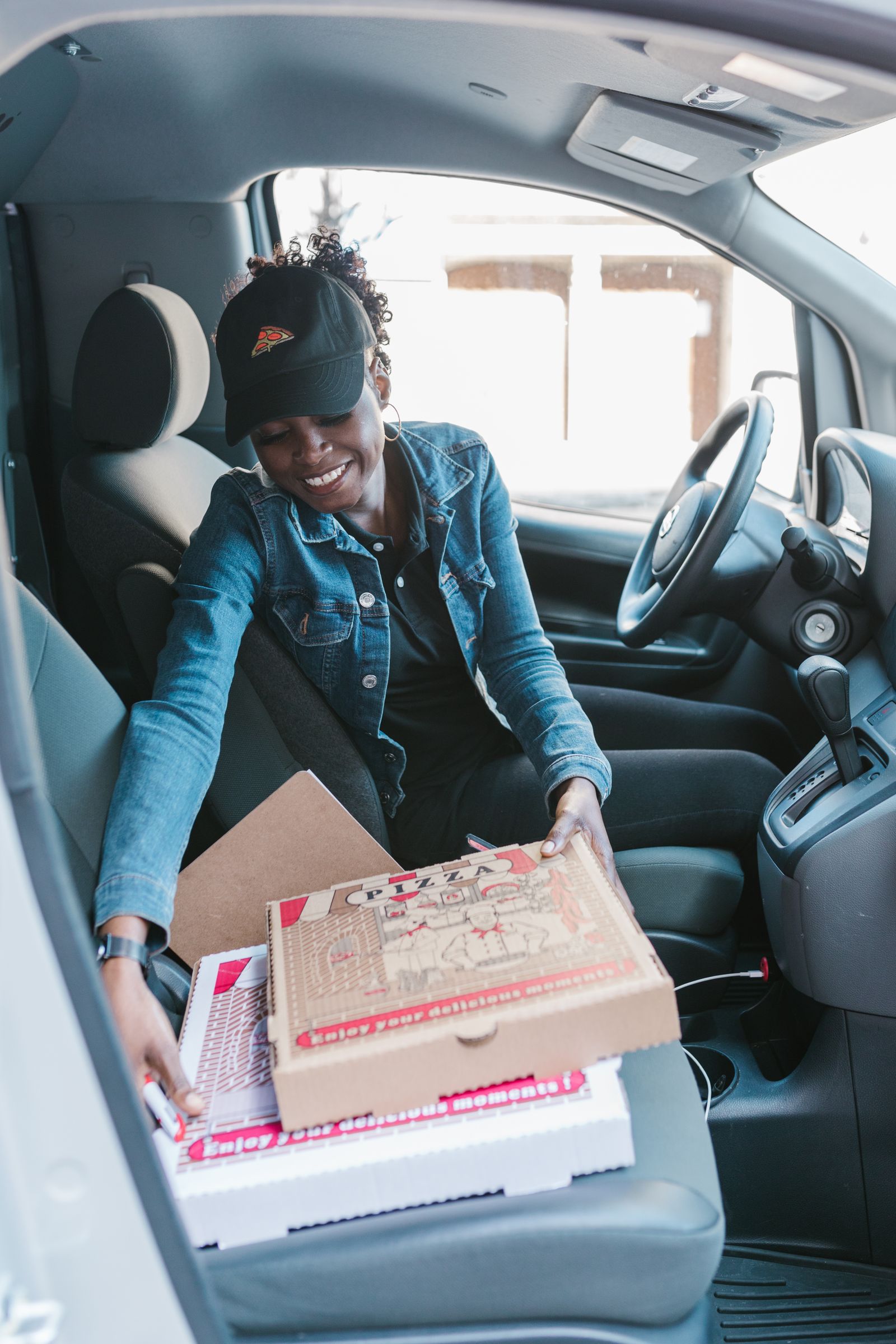
When a company orders holiday lunch for 40 employees — a completely realistic scenario at any mid-sized office in Chicago, Houston, or Boston — the food subtotal might run $350–$500. A modest 18% tip on that order is $63–$90, added on top of your base pay. DoorDash also pays an optional “setup fee” of $2–$3 on top of that if you help lay out the food at the office. One delivery. One trip. $70–$95 in your pocket.
Corporate clients behave differently than individual consumers, and that difference is entirely in your favor:
- They tip on percentage, not flat amounts. An individual might tip $3 on a $30 meal. A corporate admin with a $400 expense budget typically defaults to 15–20% because it’s the company’s money, not theirs.
- They book in advance. Corporate orders are scheduled ahead of time, so you can plan your day instead of chasing unpredictable surges.
- They prioritize reliability over price. A holiday party planner who got a smooth delivery on Tuesday will reorder through the same system next week — which means repeat exposure for high-rated drivers.
- Their holiday budgets are pre-approved. Office party catering is a line item on the company P&L. They’re spending, full stop.
The data backs this up: average tips on DoorDash catering orders run 18–22% of order value in corporate settings, compared to 13–15% on residential deliveries. That gap is your seasonal edge.
The Platforms That Send Corporate Holiday Catering Orders to Drivers
DoorDash Large Order Program
DoorDash’s Large Order Program is the primary gateway to corporate catering deliveries on the app. Here’s the honest breakdown on how it works and what you need.
It’s invite-only. DoorDash identifies eligible drivers in your market and sends an invitation through the Dasher app. Once accepted, you’ll get a promo code to buy a branded insulated catering bag — typically $10 with the code, down from $40 retail.
Qualification requirements to get that invite:
- 200+ lifetime deliveries completed
- 4.7 or higher average customer rating
- 95%+ completion rate over the past 30 days
Once you’re in, orders over $100 — often $200–$600 during the holiday season — start appearing in your queue. Base pay follows the standard DoorDash formula (time, distance, and desirability) but the dollar amounts are substantially higher than standard orders. The optional setup fee adds $2–$3 per delivery when you assist with laying out food at the drop-off location.
Not invited yet? Focus on hitting 200 deliveries and keeping your ratings locked in. DoorDash has been expanding the Large Order Program in markets including Houston, Phoenix, Nashville, and Columbus throughout 2026. The pre-season window right now is ideal for getting your numbers up before invites go out in October.
DoorDash for Business — Meal Manager and Holiday Catering
In April 2026, DoorDash for Business launched two new corporate-focused products that directly affect what you see in your Dasher queue: Meal Manager and Catering.
Meal Manager powers recurring office lunches where employees each place their own individual order, all batched and delivered together on a set schedule. Volume on these spikes sharply in November and December as companies add weekly holiday team lunches to the calendar. The bigger opportunity is the Catering product: tray-style deliveries with flatware for all-hands gatherings and — yes — holiday parties. Both run through the Large Order Program queue in your Dasher app.
DoorDash’s 2026 Workplace Meal Trends data shows the heaviest corporate catering demand concentrated in San Francisco, New York, Chicago, Seattle, and Austin. If you’re in or near any of these metros, your Large Order queue can look dramatically different starting November 1.
Uber Eats for Business
Uber Eats for Business offers corporate accounts access to catering and group orders through the standard Uber Eats platform. Uber routes large orders to drivers with high ratings and strong completion records — there’s no separate program to apply for, but your performance metrics determine whether these orders appear on your screen.
In cities where Uber Eats dominates lunch traffic — Los Angeles, Miami, Boston, and Philadelphia — corporate holiday orders appear frequently from mid-November through December 20. Tips on Uber Eats corporate orders are pre-set by the corporate buyer when placing the order, and holiday budgets tend to be generous. Keep your Uber Eats rating above 4.7 and your completion rate above 90% to stay in the rotation for premium orders.
ezCater — The Dedicated Corporate Catering Network
ezCater is the largest dedicated corporate food-ordering platform in the US, connecting 100,000+ restaurant partners with workplace clients. Unlike DoorDash and Uber Eats, ezCater is built exclusively for business catering — which means every single order in the system is a corporate or institutional buyer, not a residential consumer.
How drivers access it: Sign up directly at driver.ezcater.com. The platform uses independent contract drivers (similar to standard gig platforms) and pays weekly via direct deposit. This makes ezCater an excellent complement to your existing DoorDash and Uber Eats schedule — especially during the Q4 corporate holiday rush, when ezCater volume spikes hard in November and December.
ezCater performs particularly well in markets with dense office districts: Manhattan, Chicago Loop, Downtown Houston, Washington D.C., and the San Jose and Palo Alto tech corridor. Sign up now if you haven’t already — background verification takes a few business days, and you want to be fully active before November order volume ramps up.
How to Qualify and Position Yourself Before November 1
The corporate holiday rush peaks from November 15 through December 22. Reading this in early September gives you roughly six weeks to lock in your qualifications. Here’s your pre-season action checklist.
Get your rating to 4.7 or higher. This is the threshold for DoorDash’s Large Order Program and Uber Eats’ premium order routing. If you’re sitting at 4.5 or 4.6, focus on clean, complete deliveries — proper insulated bags, accurate handoffs, and a brief “enjoy your meal” message to the customer can move your average up within two or three weeks of consistent effort.
Complete 200 lifetime deliveries. For newer drivers, this is achievable in four to six weeks of regular dashing. Prioritize accepting and completing every order you take — your completion rate is weighted equally alongside your rating for Large Order Program access.
Get your equipment ready:
- Large insulated catering bag (22″ W × 14″ L × 13″ D minimum) — required for DoorDash’s program, strongly recommended for Uber Eats catering runs
- Drink carrier for the beverages that accompany large office orders
- Clean, organized cargo area — corporate contacts sometimes meet you at the lobby and your setup is visible
- Compact dolly or hand truck for multi-tray orders at large office buildings with long walks from the parking garage
Position yourself in business districts. Corporate orders originate from offices, not homes. In markets like Atlanta’s Midtown, Denver’s LoDo, Dallas’s Uptown, or Chicago’s River North and the Loop, you’ll find dense concentrations of corporate buyers ordering lunch Monday through Thursday, 11am to 2pm. Evening holiday party orders cluster Tuesday through Thursday in November and December, typically running 5pm to 9pm.
Register with ezCater now. Background verification takes a few business days. Target having your account active by October 15 so you’re fully operational before November order volume ramps up across all platforms.
Executing the Corporate Office Delivery Like a Pro
Corporate office buildings operate very differently from residential addresses. If you haven’t delivered to a high-rise, a campus, or a multi-building office park, here’s what to expect — and how to handle each situation like a driver who’s done it a hundred times.
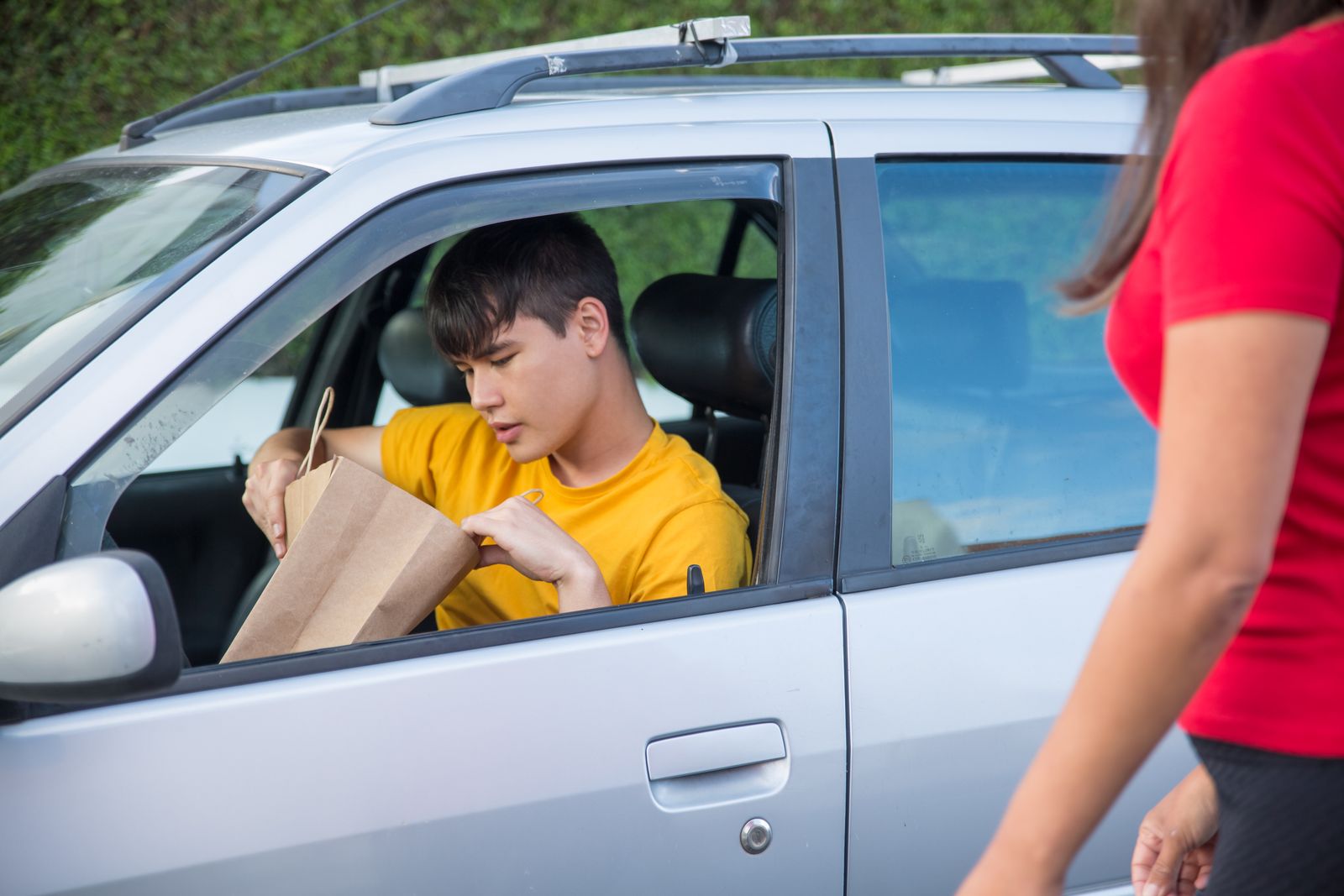
Call ahead on large orders. For orders over $150, call or text the contact person five minutes before you arrive. A corporate admin coordinating holiday lunch for 40 people will genuinely appreciate the heads-up — and it separates you instantly from drivers who show up and blindly buzz the lobby intercom.
Know the building logistics before you arrive. Most downtown office buildings route deliveries through a service entrance, loading dock, or lobby concierge — not the main front door. The order instructions in the app usually specify this; read them in the restaurant parking lot before you start driving. In buildings like Chicago’s Willis Tower offices or New York’s Rockefeller Center suites, dedicated delivery elevators are the rule. Use them and don’t hold them.
Sign in at security without hesitation. Corporate buildings often require a visitor log-in. Bring a photo ID, especially for orders going to floors above the 10th. This is completely standard — being prepared for it makes you look professional rather than flustered.
The setup fee: when and how to offer it. If the order includes setup pay from DoorDash ($2–$3), you may be asked to briefly lay out trays and remove packaging. Offer proactively rather than waiting to be asked. This small extra step also generates spontaneous cash tips from appreciative office managers — in corporate environments, an extra $5–$20 in cash at drop-off for a job handled with care is genuinely common during the holiday season.
Look the part. You don’t need a suit, but a clean shirt, no heavy cologne, and a confident, professional demeanor go a long way in environments where the person signing for the delivery might be the VP’s executive assistant. First impressions in corporate buildings directly influence cash tips.
The Real Earnings Math for Corporate Holiday Catering
Here are three realistic scenarios you’ll see during the November–December corporate rush in a mid-major city like Dallas, Minneapolis, or Denver:
Scenario A — Office Holiday Lunch (15 people)
- Order subtotal: $175
- Tip (18%): $31.50
- DoorDash base pay: $7.50
- Setup fee: $2.50
- Total: ~$41 for one delivery
Scenario B — Department Holiday Party (35 people)
- Order subtotal: $420
- Tip (20%): $84
- DoorDash base pay: $10
- Setup fee: $3
- Total: ~$97 for one delivery
Scenario C — ezCater Corporate Event (50 people)
- Order subtotal: $600
- Tip (15%): $90
- ezCater driver delivery fee: $25–$40 (platform-set, varies by market)
- Total: ~$115–$130 for one delivery
Compare that to a typical lunch-rush stack of five standard DoorDash orders netting $10–$15 each — $50–$75 for the same 60 to 90 minutes you might spend on a single catering run. The math shifts decisively in favor of catering when tips land at corporate rates on orders of this size.
For the full picture on what you actually net after gas, mileage, and vehicle wear on longer catering routes, keep in mind that the IRS mileage deduction rate is 76 cents per mile in 2026 — a 12-mile catering run to a downtown office is worth $9.12 in write-offs on top of your delivery earnings. A large insulated catering bag also qualifies as a deductible business expense. The complete tax deductions guide for delivery drivers covers exactly what to capture across the full Q4 catering season so you’re not leaving money on the table at tax time either.
Smart Strategy for the Nov–Dec Corporate Window
The corporate holiday rush is real, but it’s compact — six weeks from mid-November to just before Christmas. Here’s how to maximize every shift in that window without burning yourself out.
Work the corporate schedule, not the consumer schedule. Monday through Thursday, 11am–2pm is the prime corporate lunch window. The company party and evening event delivery window runs Tuesday through Thursday, 5pm–9pm, throughout November and December. Fridays and weekends tend toward residential delivery — fine for pizza and casual orders, but the four-figure tipping opportunities are in the weekday corporate calendar.
Layer in peak pay zones. Business districts often overlap with DoorDash and Uber Eats surge zones during lunch hours — especially in San Francisco’s Financial District, Manhattan’s Midtown, or Chicago’s Loop. Timing your catering pickups to coincide with active peak pay and boost zone windows can add $2–$5 per delivery on top of the catering premium, compounding your hourly rate further.
Multi-app around catering gaps. On days when corporate orders are slow — like the week of December 26 when offices empty out for the year — flip to running DoorDash and Uber Eats simultaneously to keep earnings steady. The multi-app strategy guide walks through exactly how to juggle platforms without tanking your acceptance rate or completion metrics on either app.
Bridge into the pre-Thanksgiving surge. Corporate ordering slows slightly in the week before Thanksgiving as employees take time off and companies wrap up their advance orders. That same week, package and retail delivery volume surges across the country. The Black Friday and Cyber Monday delivery surge guide covers the strategy for the week of November 23, which bridges perfectly into December’s corporate catering peak — plan your calendar to capture both windows back to back.
Track every mile, every day. With a 76-cent-per-mile federal deduction, a 40-hour week of catering runs in a dense city like Chicago might generate $18–$25 per day in deductible mileage alone. Auto-tracking apps like Gridwise, MileIQ, or Stride handle this passively — set them up before your first November shift and don’t think about it again until tax season.
Your Corporate Holiday Catering Action Plan
Here’s a concrete, dated timeline for drivers starting today in September 2026:
September–October 2026: Push your DoorDash rating to 4.7 or above and hit 200+ lifetime deliveries. Sign up for ezCater at driver.ezcater.com (allow one week for background check). Order your large insulated catering bag — the DoorDash-branded version is $10 with the promo code from your program invite, or pick up an equivalent on Amazon for $25–$35. Spend a few shifts dashing in your city’s business district to learn building layouts, delivery entrances, and security protocols before the November rush hits.
Early November 2026: Check your Dasher app for a Large Order Program invitation. If you meet all the qualifications but haven’t received one by November 1, contact DoorDash Dasher support directly — drivers who qualify sometimes need to manually inquire. Get your vehicle fully organized and your catering equipment in place before November 10 so you’re not scrambling when the first big order drops.
November 15 – December 22: This is your prime window. Focus weekday daytime and early-evening shifts in business districts. Accept every large order that clears your minimum earnings threshold. Treat each corporate delivery as an audition — ratings, speed, and professionalism during this window keep you in the high-value order rotation well into January when companies resume normal office operations.
December 23 – January 5: Intentional rest or pivot to residential delivery. Corporate catering drops to near zero as offices close for the holidays. Use this quieter stretch to organize your mileage logs, gather Q4 receipts, and get your tax records in order before the new year. The drivers who earn $1,500–$2,500 during the six-week corporate holiday rush are not lucky — they’re the ones who started preparing in September.
Ready to Cash In on Holiday Catering Orders This Season?
Join thousands of drivers already earning on high-tip corporate orders — and get a $2,575 guaranteed bonus after completing your first 200 deliveries in select US cities.
New drivers: Sign up through our partner link and start earning today!
Sign Up for Uber Eats and Start Delivering →
Must be 18+. Background check required. Terms apply.