


Can You Deliver with a DUI in 2026? The Straight-Talk Guide for Gig Drivers
Here’s the question nobody wants to type into Google: can you still deliver with a DUI? Maybe you got pulled over last weekend. Maybe a background check just came back and the app went silent. Maybe you’re sitting on a five-year-old conviction and wondering if it’s time to hang up the hot bag for good.
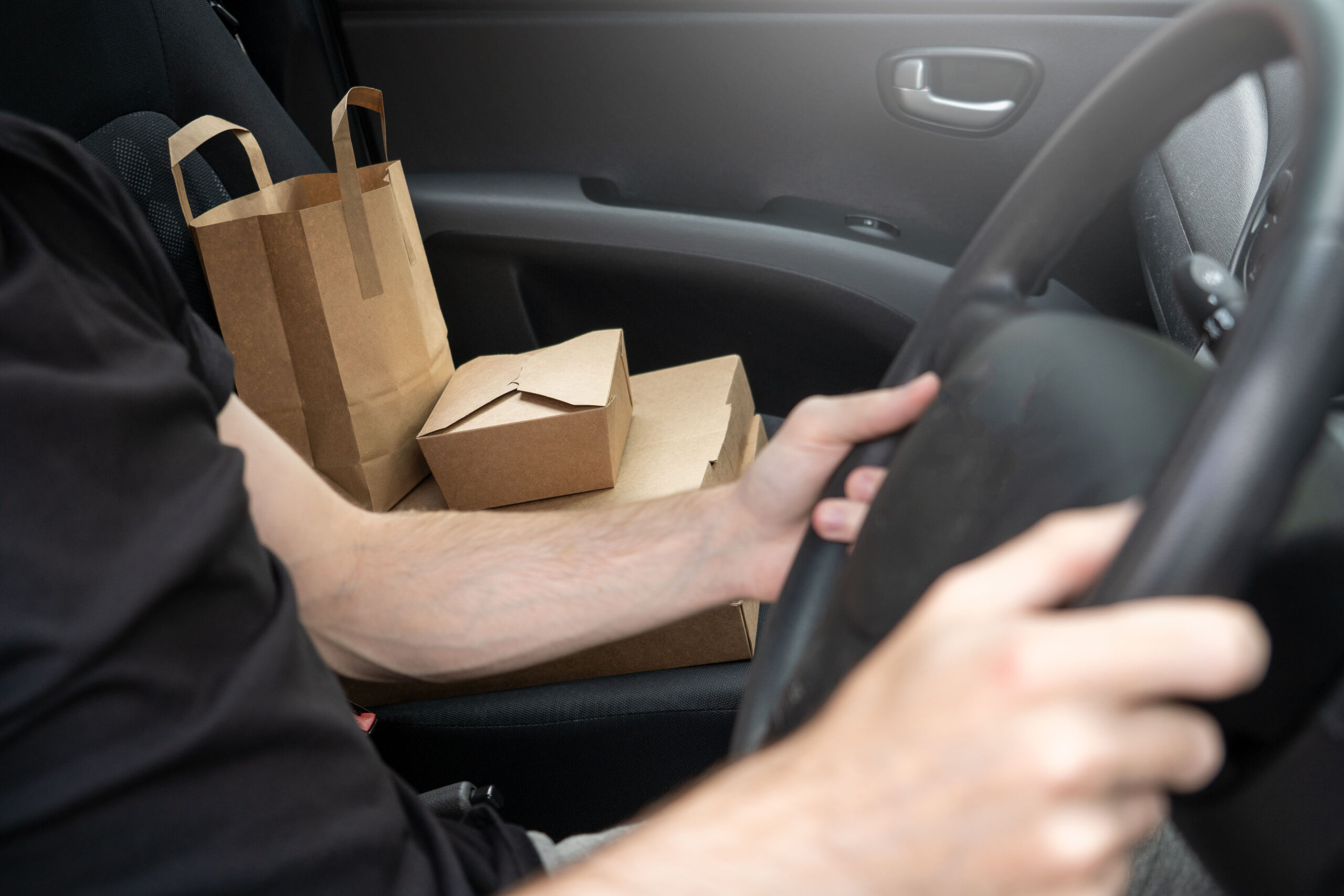
Take a breath. The answer isn’t a flat “no” — it’s “it depends,” and the rules changed in 2026. Uber quietly updated its background check policy in June, and the platform rules around DUIs are stricter than most drivers realize. Here’s exactly how it works, what a DUI costs you in real dollars, and what to do if you’re already in the system.
The Short Answer: It Depends on the Platform — and the Timeline
Every delivery app runs its own background check with its own rules, but they share one backbone: a Motor Vehicle Record (MVR) check plus a criminal record check through a third-party screener like Checkr. A DUI shows up on both, and each platform decides how long that record keeps you out.
In general, the big apps look back seven years for DUIs and serious moving violations. A conviction inside that window will almost certainly fail your background check. Older than seven years? You might squeak through — but “might” is doing a lot of work in that sentence. Uber’s 2026 policy update tightened things further, and some offenses are now disqualifying for life.
If you want the full breakdown of how the screening process works, including the timeline and what shows up on your record, read our complete delivery driver background check guide.
Uber’s 2026 Background Check Update: What Actually Changed
In June 2026, Uber announced a major tightening of its background check standards. Before the update, violent felonies like murder, sexual assault, kidnapping, and terrorism were already permanent disqualifiers — that hasn’t changed. What did change: under the new policy, all violent felonies are now permanently disqualifying, no matter when they occurred. There’s no seven-year clock for those.
For DUIs and reckless driving specifically, Uber’s own newsroom lays it out plainly. The first screening — the Motor Vehicle Record check — looks for disqualifying traffic violations like driving under the influence or reckless driving. Here’s the stat that should wake every driver up: around 70% of rejected Uber applications are rejected at the MVR stage. Not the criminal check. The driving record check.
Other offenses like theft, robbery, and fraud sit in a seven-year lookback window. Felony convictions older than seven years generally fall outside it — unless they’re on the lifetime disqualifier list. The lesson: your driving record is the first thing the algorithm sees, and for most applicants, it’s the last thing too.
DoorDash, Instacart, Spark & Amazon Flex: What Each Platform Looks At
Uber isn’t the only gatekeeper. Here’s how the other big platforms handle DUIs:
- DoorDash: A DUI within the past seven years will typically disqualify you. The driving record check covers roughly three to seven years of history depending on your state. Dashers have reported deactivations after annual re-screenings caught old violations they thought were buried.
- Instacart: Shoppers who drive must clear the same kind of MVR check. Instacart’s lookback on serious violations generally tracks the seven-year standard, and a DUI can block approval or trigger deactivation on re-screen.
- Spark Driver (Walmart): Spark runs a driving record check as part of onboarding and periodically re-screens active drivers. DUIs and license suspensions are common grounds for removal.
- Amazon Flex: Flex requires a valid license with a clean enough record to pass their insurer’s standards. A recent DUI typically fails the check.
The pattern is consistent: if it’s within seven years, expect a rejection. If it’s older, expect a fight — and expect some platforms to still say no.
What a DUI Really Costs You as a Delivery Driver
Let’s talk money, because that’s the part most guides skip. The immediate legal cost of a DUI — fines, court fees, attorney, mandatory classes, and the insurance spike — is commonly estimated at $10,000 or more by the time it’s all over. But for a gig driver, the real damage is the lost earning power.
When a platform deactivates you, there’s no severance, no unemployment, and no appeals process that pays you while you wait. Drivers in California have reported deactivations lasting weeks — one legal analysis put a 60-day deactivation at roughly $8,000 in lost income for a full-time driver, with the car payment and insurance bill still due the whole time. That’s the ugly math of gig work: no safety net, no paid leave, no back pay when you win your appeal.
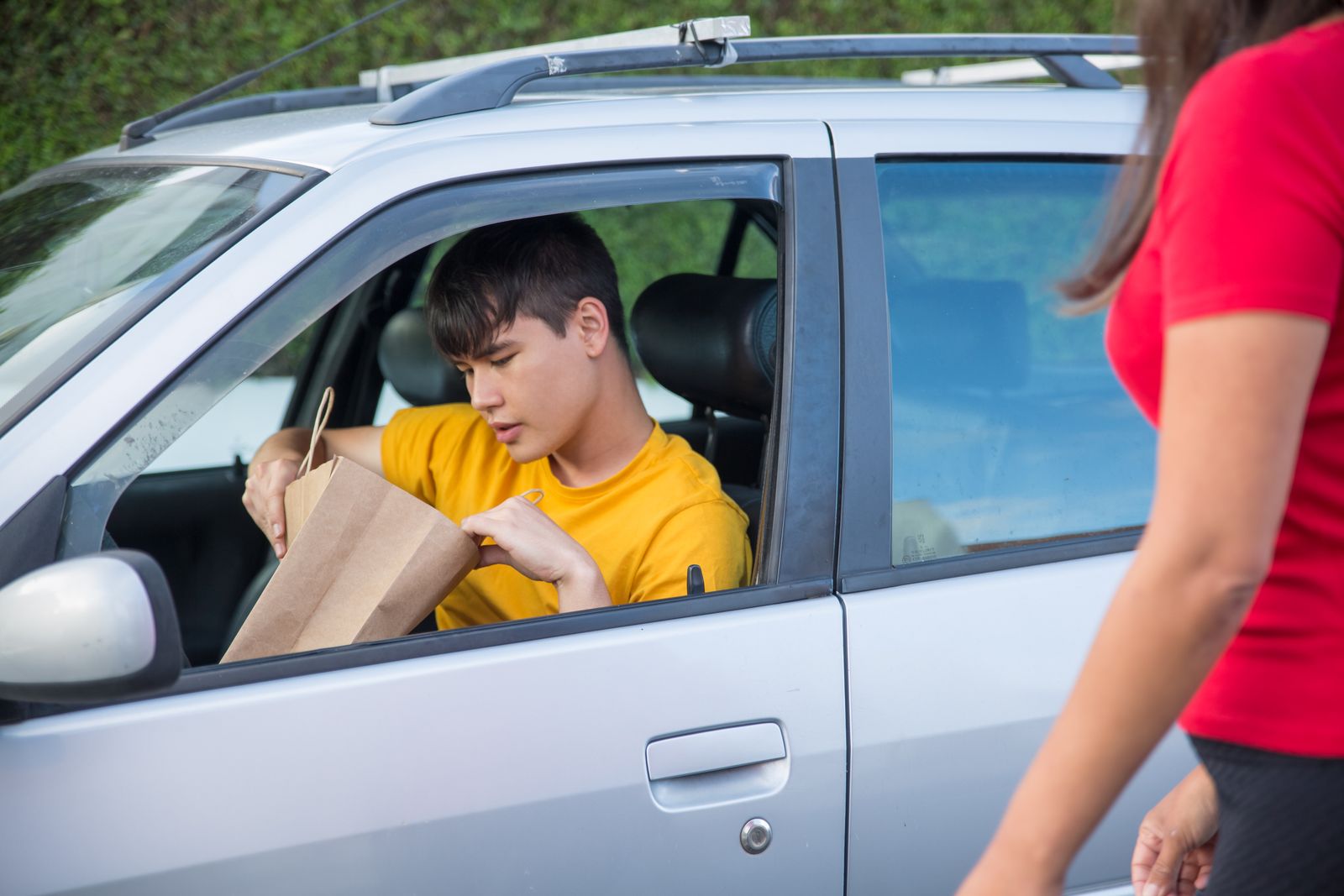
And the costs stack after reinstatement. Most states require an SR-22 certificate after a DUI, which jacks up your insurance premium for years. If you drive for a living, that’s not an annoyance — it’s a line item that eats your margin on every single order. Before you accept a single delivery post-DUI, check what your insurance actually covers; many standard policies exclude commercial use. Our delivery driver insurance guide walks through the coverage gap and how to close it without overpaying.
The 7-Year Countdown: When Does a DUI Stop Following You?
The most common myth in the driver forums is that a DUI “drops off” after seven years like clockwork. The reality is messier:
- Your MVR keeps DUI and reckless driving entries for 5 to 10 years depending on the state — some states keep them longer for commercial-class records.
- Checkr and similar screeners generally report criminal convictions within the seven-year lookback under FCRA guidelines, but state laws vary and some records persist longer.
- Platform policies are the wildcard. DoorDash’s seven-year rule is widely documented. Uber’s June 2026 update made violent felonies permanent. A platform can always decide its lookback is longer than the law requires — and re-screens catch drivers mid-career, not just at signup.
So the honest answer: seven years is the best-case timeline, not a guarantee. A DUI from 2019 might clear you on DoorDash in 2026. A DUI from 2015 might still bite you at a re-screen if your state’s MVR keeps it longer. If you’re inside the window, assume you’re disqualified until a platform tells you otherwise.
Got a DUI? Your Step-by-Step Recovery Plan
If you’re reading this because you just got a DUI — or just got deactivated — here’s the playbook, in order:
- Don’t apply to new platforms yet. Every failed background check is a data point, and repeated applications within the lookback window just stack rejections. Wait until your record is clean enough to pass.
- Run your own checks first. Pull your MVR from your state’s DMV and order your own Checkr report. Know exactly what the platforms will see before they see it. You can dispute errors — and errors are more common than you’d think.
- Check the platform’s appeal process. Deactivations aren’t always final. DoorDash, Uber Eats, and Instacart all have appeal routes, and some drivers win reinstatement by showing the violation was dismissed, reduced, or outside the lookback. Our deactivation appeal guide covers the exact steps and what to write.
- Fix your insurance before you fix your apps. Get the SR-22 sorted and make sure your policy covers delivery. Driving deactivated-but-uninsured is how one mistake becomes two.
- Keep earning in the meantime. If you’re blocked from driving apps, look at non-driving gig work — shopping-only batches, delivery-adjacent courier work, or a W-2 job that doesn’t require a clean MVR. The goal is to keep cash flowing until your window opens.
Never, Ever Lie on the Background Check
This should go without saying, but the forums are full of people trying to game the system: using a relative’s Social Security number, disputing a legitimate conviction, or applying under a slightly different name. Every one of those is a terrible idea. Background screeners cross-check identity databases, and platforms permanently ban drivers caught misrepresenting their history — a ban that survives even after your seven-year window closes.
A clean, honest application with an older DUI has a real chance. A fraudulent one has a guaranteed lifetime ban. Don’t trade a seven-year wait for a permanent one.
The Bottom Line
A DUI is the single most expensive mistake a delivery driver can make — not because of the fine, but because it can take your entire income source away at a moment’s notice. If you’re inside the lookback window, plan for rejection and line up backup income. If you’re past it, apply honestly and be ready to appeal. And if you’re still clean: consider this your reminder that one bad night can cost you $10,000, your apps, and your car insurance sanity.
Delivering for a living means your record is your livelihood. Protect it like the asset it is.
Get Paid More with Uber Eats
New drivers in select cities can earn up to $2,575 after completing their first deliveries.
Start Earning $2,575 with Uber Eats →
Terms apply. Offer available in select US markets. New drivers only.