


Easter Sunday 2027 lands on March 28 — and for delivery drivers, it is one of the most underrated money days on the calendar. Americans dropped a record $24.9 billion on Easter in 2026, up 5.5% from the year before, with food alone accounting for $7.3 billion of that total. All those hams, brunch orders, candy baskets, and flower arrangements have to move from point A to point B — and that is where you come in.
Most drivers treat Easter Sunday like a normal day off. That is the opportunity. Fewer drivers on the road plus a holiday full of family gatherings, restaurant meals, and last-minute shopping equals one of the best earning weekends of the spring. Add in the fact that Easter spending has grown for years straight, and the demand side of the equation only gets stronger. Here is exactly when to drive, what to accept, and how to stack the day from sunrise to sundown.
Why Easter Is a Sleeper Gold Mine for Delivery Drivers
The National Retail Federation’s 2026 Easter survey found shoppers planned to spend a record $195.59 per person, and total holiday spending hit a new high of $24.9 billion. The biggest slice — $7.3 billion — went to food, followed by clothing at $4.0 billion, gifts at $3.8 billion, candy at $3.3 billion, and flowers at $1.8 billion. Every one of those categories creates deliveries.
Think about what Easter actually looks like in a typical American city: families driving to church, meeting for brunch, hosting dinner, hiding eggs, and swapping gifts. Anyone hosting a meal is either shopping for ingredients or ordering out — and the people who skip the cooking entirely are ordering brunch and dinner from restaurants. On a normal Sunday you compete with hundreds of drivers for the same orders. On Easter Sunday, a big chunk of that competition is at home with their families, which means the drivers who do go out see more orders and more surge pricing.
This is the same pattern we mapped in our Valentine’s Day delivery guide and our St. Patrick’s Day delivery guide: major holidays compress a week of normal demand into a single day, and the drivers who plan for it bank the difference.
The Brunch Rush: Your #1 Easter Money Window
Easter brunch is one of the biggest restaurant days of the year. Families pack diners, hotel buffets, and neighborhood breakfast spots after the morning church service, and the lines spill out the door. That is exactly when people give up and order in.
The sweet spot runs from about 10:00 AM to 2:00 PM. Services typically wrap up between 11:00 AM and noon, so orders start flooding the apps right as the church parking lots empty. Sunday brunch between 10:00 AM and 1:00 PM is historically an underrated window with less driver competition — pair that with holiday demand and you get the perfect storm.
Position yourself near brunch-heavy neighborhoods, family restaurants, and hotels that run Easter buffets. Run two apps at once during this window — DoorDash and Uber Eats both see the spike, and the peak pay and boost zones light up around popular brunch corridors. If you have a catering bag in the car, keep it handy: hotels and churches also place big group orders that pay significantly more per mile.
Grocery Runs: Where the Biggest Orders Live
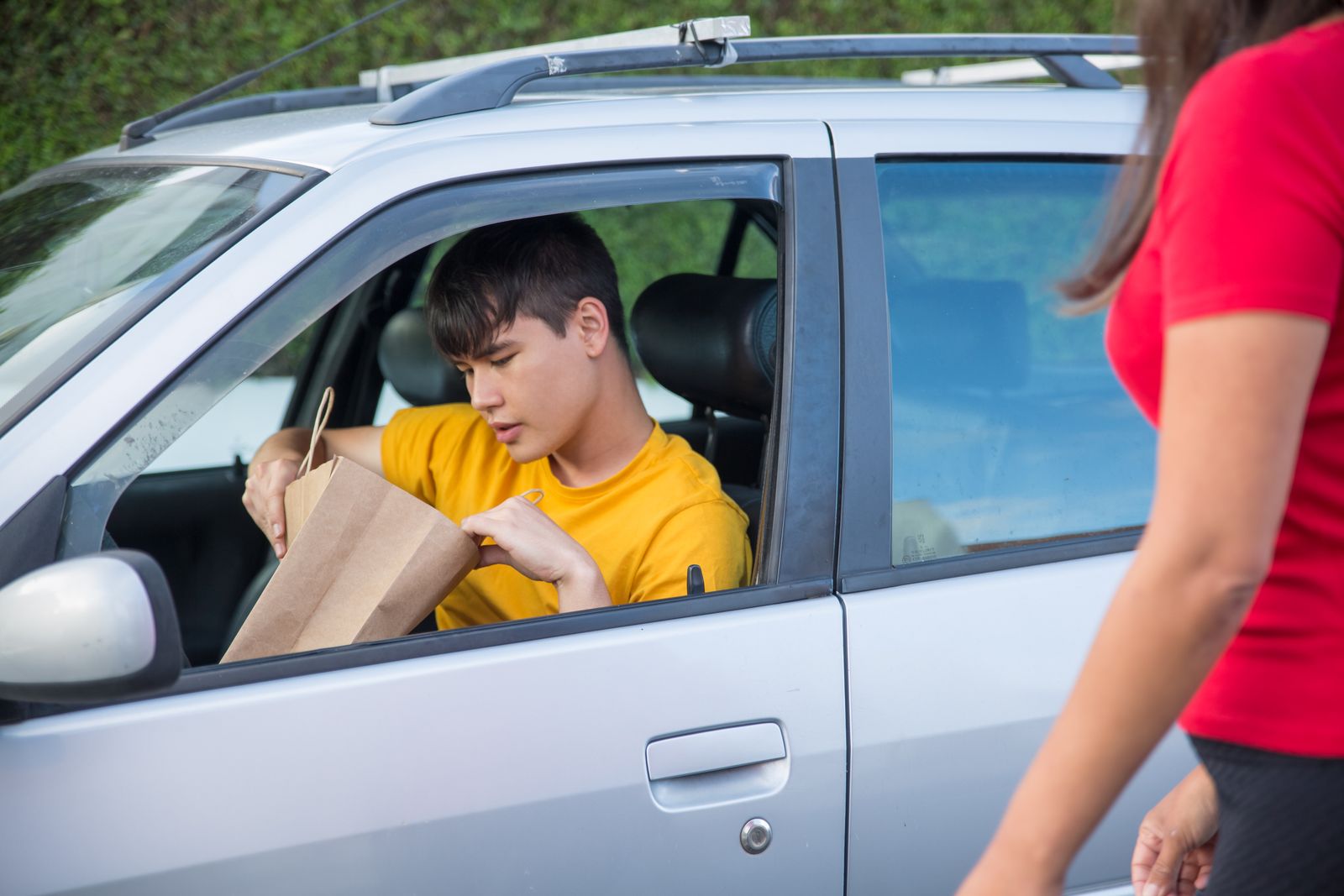
The real money on Easter weekend is in the basket. Shoppers blow past their usual grocery budgets to buy hams, lamb, potatoes, and sides — and a growing share of them never set foot in the store. Instacart, Shipt, Spark, and Amazon Flex all see their order sizes balloon in the days before Easter.
Your windows are Thursday through Saturday for the big planned shops and Sunday morning for the forgotten-ingredient panic orders. The panic orders are the best ones: small lists, close delivery addresses, and customers who are minutes from the oven going in. Tip density on those runs is noticeably higher than a normal grocery order.
If you are deciding where to spend your weekend, our breakdown of grocery delivery vs. food delivery pay shows why big-basket work often beats restaurant runs per hour. A few practical notes: bring insulated bags for dairy and cold items, text the customer before you shop if a major item is out of stock, and expect heavier bags than usual — hams and drink bottles add up fast. Batch the big-box stores early in the day, when the shelves are stocked and the checkout lines are short, and keep your car organized so a 40-item shop does not turn into a 40-minute hunt through the back seat.
Candy, Flowers & Last-Minute Saves
Easter candy is a $3.3 billion industry and flower sales add another $1.8 billion — and both categories are overwhelmingly bought in the final days before the holiday. Instacart’s Easter data shows Reese’s Peanut Butter Eggs have been the number-one Easter candy for four straight years, with jelly beans and chocolate bunnies close behind. Drugstores, grocery stores, and specialty candy shops all need runners in the last 48 hours.
Flower delivery is a whole sub-market you should not sleep on: lilies, tulips, and mixed spring arrangements are ordered by people who cannot deliver them in person. Our flower delivery gig guide covers how to handle those fragile, high-tip runs, and our holiday bakery and cookie guide applies directly to the hot cross buns, Easter cakes, and decorated cookies that bakeries push all weekend.
Accept these orders even when they look small. A single bouquet or a box of Peeps is a 10-minute run with a tip that often matches the base pay — and they keep you moving between the bigger brunch and dinner waves.
The Church Rush and Family Dinner Wave
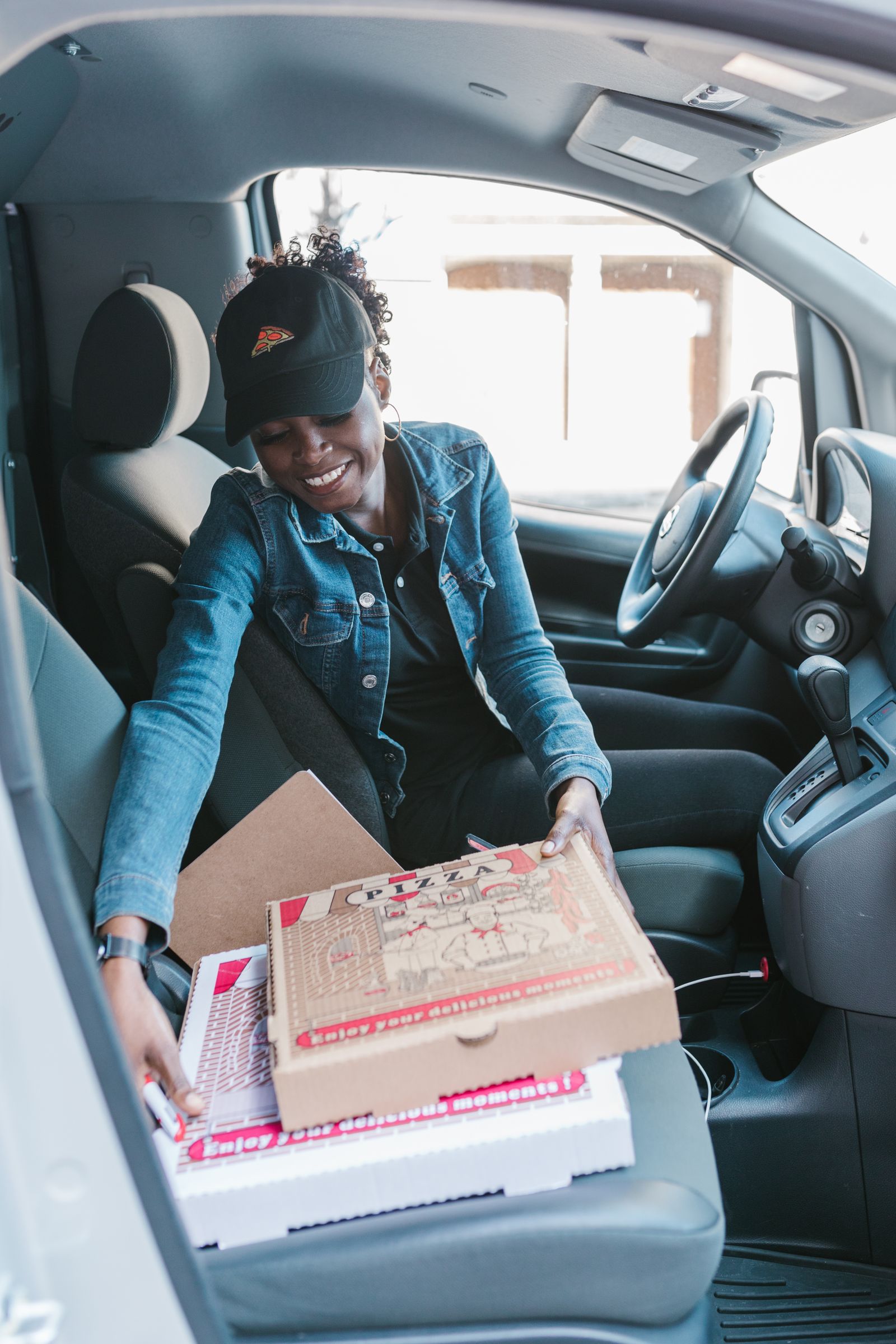
Easter Sunday has two distinct peaks, and drivers who only work one are leaving money on the table. The first wave is 9:00 AM to 11:00 AM: coffee, breakfast pastries, and pre-service pickup orders. The second — and bigger — wave is 4:00 PM to 8:00 PM, when families realize nobody wants to cook after a long day and order Easter dinner instead.
That dinner wave is a catering goldmine. Restaurants run Easter dinner specials, grocery stores sell fully cooked hams with sides, and plenty of families order the whole meal to go. Large-order deliveries pay more base pay and usually tip a flat percentage, so one catering run can equal three normal deliveries. See our catering and large-order delivery guide for the multi-bag strategy that keeps those orders intact.
Brunch also means mimosas, which means alcohol delivery will pop up throughout the day. Know your alcohol delivery rules cold — check IDs on every drop, and remember that scanning a birthday during a holiday rush is not worth losing your account over.
Stacking Your Full Easter Day: A Sample Game Plan
Here is what a full Easter Sunday looks like when you stack every wave:
- 8:00 – 10:00 AM: Park near a bakery or grocery cluster for early breakfast and last-minute pickup orders.
- 10:00 AM – 2:00 PM: Work the brunch rush on two apps. Skip long restaurant waits; the volume is high enough to be picky.
- 2:00 – 4:00 PM: The lull. Run candy, flower, and pharmacy orders — short hops with strong tips.
- 4:00 – 8:00 PM: The dinner wave. Prioritize large and catering orders.
- 8:00 – 9:30 PM: Dessert and late-night runs as families wind down.
Our best times to deliver guide has the full peak-hour breakdown, and the weekend strategy guide covers how to work Sundays without burning out. Pack an extra phone battery, an insulated bag, and a full tank the night before — the day moves fast and every gap between waves is wasted earning time. And if you are new to stacking apps, our multi-app guide shows how to run two platforms without breaking their rules.
Quick Safety & Etiquette Notes for Easter Sunday
Three things trip up drivers on Easter specifically. First, parking: church lots and popular brunch restaurants are chaos, so leave extra time and never block a driveway. Second, addresses: families gather at relatives’ houses, and a wrong address costs you the whole run — double-check before you leave the restaurant. Third, weather: late March still brings snow and ice in northern cities, so check the forecast and dress in layers; our tips guide has the service habits that nudge holiday customers toward bigger gratuities.
One more thing: a friendly “Happy Easter” goes a long way on a day when everyone is in a good mood. Holiday customers tip better when the delivery feels like part of the celebration — a smile at the door is worth real money.
Ready to Start Delivering and Cash In?
Join thousands of drivers already earning — and get a $2,575 guaranteed bonus after completing your first 200 deliveries in select US cities.
New drivers: Sign up through our partner link and start earning today!
Sign Up for Uber Eats and Start Delivering →
Must be 18+. Background check required. Terms apply.