
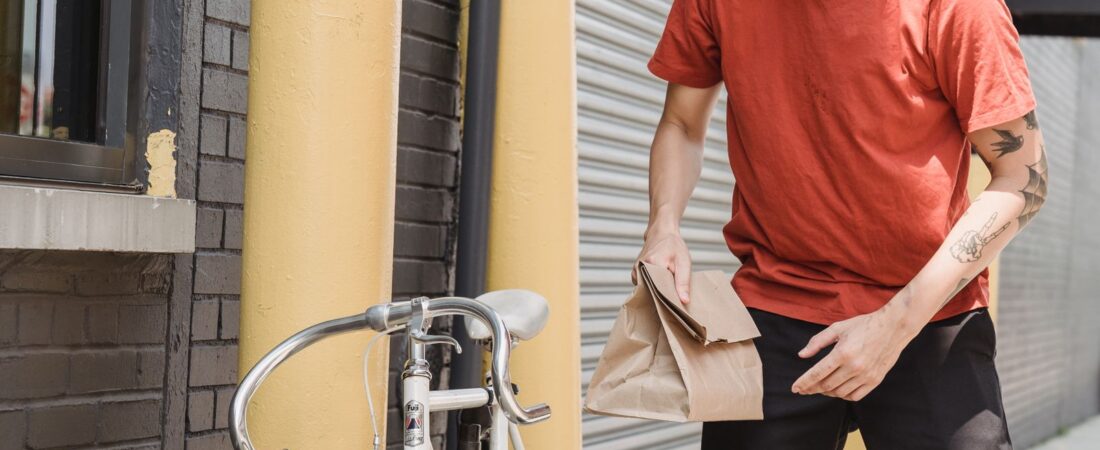

The mainstream gig apps—DoorDash, Uber Eats, Walmart Spark—are flooded with drivers competing for the same lunch runs and dinner orders. Meanwhile, a small group of drivers with pickup trucks and utility trailers have quietly been hauling hay bales, sacked livestock feed, and farm supplies to ranches and hobby farms, clearing $200–$450 per day with zero competition from an algorithm.
It is not glamorous work. It smells like alfalfa, horse grain, and tractor exhaust. But from October through March, demand for farm and livestock feed hauling surges hard—and the ranchers, horse owners, and feed stores who need this work done have zero interest in your acceptance rate. They care that you show up on time with the right truck and handle their stuff carefully. That is a bar most gig drivers can clear, and the pay reflects it.

What Farm and Feed Hauling Actually Looks Like
Before you call a feed store, know what you are getting into. The farm and livestock supply hauling niche breaks into three main categories, each with different equipment needs and pay structures.
Hay and Forage Runs
Grass hay, alfalfa, straw, and orchard grass are the backbone of the market. A standard two-string square bale weighs 40–75 lbs. A three-string bale runs 90–110 lbs. Round bales—800 to 2,000 lbs each—require tractor equipment at both ends, so as a gig driver starting out, you will focus on square bales delivered to hobby farms, backyard horse owners, and small livestock operations buying 20–80 bales per order. These customers rarely have room to store a full truckload, which means they pay premium per-bale delivery rates and order repeatedly throughout the winter season.
Bagged and Sacked Feed
50-lb bags of grain, crumble, pellets, scratch, and mineral supplements—sold in pallets of 40–50 bags at feed stores and farm co-ops. This is the most beginner-friendly category because you need no specialty equipment: a solid pickup truck or cargo van, a heavy-duty hand truck, and the physical stamina to stack. A single pallet haul of 2,000 lbs typically nets $80–$150 flat and takes under two hours including load and unload at both ends.
Farm Supply and Equipment Delivery
Water troughs, galvanized feeders, fence posts, salt lick blocks, heated water buckets, and bedding materials—these orders originate at Tractor Supply Co., Southern States, local co-ops, and Rural King locations that have paying customers they physically cannot reach with store staff. In medium-sized markets across the Southeast, Midwest, and Mountain West, these chains are actively looking for independent contractors to handle last-mile rural drops that full-time employees simply cannot cover.
The Vehicles and Equipment You Need to Start
The Pickup Truck Minimum
A full-size half-ton pickup—F-150, RAM 1500, Chevy Silverado 1500, GMC Sierra, or equivalent—gets you in the door for sacked feed and square hay bales. Non-negotiables: a bed liner or heavy rubber mat, four or more factory tie-down anchor points, and a minimum of two ratchet straps on every single load regardless of distance. A standard 6.5-foot bed stacked two-high holds roughly 25–30 standard square bales per trip. A cargo van works well for bagged feed but significantly limits your hay volume per run.
Upgrading with a Trailer
A 7×14 or 7×16 utility trailer with a wood deck is where your earnings per trip get serious. With a proper hay trailer, you move 80–120 square bales per load. At $3–4 per bale delivered, a single loaded trailer run pays $240–$480. The earnings math on a trailer-equipped half-ton is hard to beat for a few hours of weekend work. If you are weighing the upgrade decision, the complete guide to vehicle cargo upfits for delivery drivers covers trailer hitches, bed liner options, and load management setups in detail.
Hand Tools and Safety Gear
An 800-lb-rated hand truck is essential for sacked feed deliveries. Puncture-resistant work gloves protect against wire hay bale ties and splintered wooden pallets. A back brace is strongly recommended if you are not conditioned for physical hauling work—stacking 60 square bales amounts to 3,600–4,500 lbs of lifting over about two hours. Hay dust triggers allergies aggressively in enclosed spaces; add an N95 dust mask to your kit before your first job and you will thank yourself by the end of the morning.
Where the Jobs Actually Come From
Unlike DoorDash or Walmart Spark, there is no single farm hauling app you sign up for and immediately start receiving orders. You work multiple channels simultaneously, and the most reliable long-term clients come from a mix of gig platforms and direct outreach that most food delivery drivers have never tried.
GoShare and Dolly
GoShare is the most applicable gig platform for this niche. Pickup truck drivers on GoShare earn around $60/hour on hauling jobs; cargo vans pull up to $105/hour. The platform is active across most major metros and suburban markets, and in rural-adjacent zones of Texas, the Midwest, the Southeast, and the Pacific Northwest, agricultural and farm-supply moves come through regularly during the fall and winter surge period. Dolly operates on a similar model—Helpers with their own trucks earn $40–$90/hour and retain the majority of the fare. For a full comparison of how these platforms pay and structure jobs, see the rundown of large item delivery apps including Dolly and GoShare.
Feed Stores and Farm Co-ops
Walk into your local Tractor Supply, Southern States, or independent feed store in person and ask the manager whether they have delivery customers they cannot serve. This is the single most underused move in this niche. Many feed stores take phone orders from regular customers but have no delivery infrastructure—especially October through December when seasonal staff is stretched thin and hard to replace. Some stores will pay you a flat per-delivery rate of $25–$60 depending on distance and load size; others will refer customers directly and let you negotiate your own price. Either way, you are not competing with anyone for that business. You are filling a gap that has been sitting open all season.
Craigslist and Facebook Groups
Post a Craigslist ad under Farm & Garden in your county with your truck specs, service area, and starting rate. Keep it simple and direct. Regional horse owner and hobby farm Facebook groups are equally productive—search [Your County] horse owners or backyard chickens [metro area] and post your services with a photo of your truck and trailer setup. These groups generate direct long-term repeat clients who tip generously and refer their neighbors without being asked.
The Pay Math: What Farm Hauling Earns Per Hour
Here are real earning scenarios for a fall weekend haul in markets like Columbus, Ohio, Nashville, Tennessee, Boise, Idaho, or Raleigh, North Carolina.
- Sacked feed run (15 miles, 40 bags, 2,000 lbs): Rate $3–4 per bag delivered. Earnings: $120–$160. Time including load and unload: 90 minutes. Effective rate: $80–$107/hour.
- Square bale hay delivery with trailer (20 miles, 80 bales of alfalfa): Rate: $3.50/bale. Earnings: $280. Total time including loading at supplier and unloading at farm: 2.5 hours. Effective rate: $112/hour.
- Combined farm stop (40 bales hay plus 1 pallet grain): Negotiated flat rate: $260–$300. Drive plus unload: 2.5 hours. Effective rate: $104–$120/hour.
Compare those numbers to the typical DoorDash or Uber Eats effective rate of $18–$24/hour before vehicle expenses in most US markets. The 2026 real delivery driver earnings data shows most food delivery drivers net closer to $14–$18/hour after gas and vehicle wear. Farm hauling runs 4–6 times that effective hourly rate on the same vehicle—no restaurant wait times, no insulated bags required, and no order algorithm deciding whether the next job is worth your fuel cost.
The mileage deduction stacks on top of every job. At the IRS standard 2026 mileage rate of $0.76 per mile, a 40-mile round-trip farm haul generates $30.40 in deductible mileage alone on top of your job pay. Track every mile from the moment you leave your driveway—it adds up fast on rural runs.

The Fall-Winter Surge: When This Side Hustle Peaks
October through March is the prime earning window for farm and feed hauling, driven by three seasonal dynamics that overlap perfectly for drivers who position themselves early.
The Hay Draw-Down Effect
Farms and horse properties that did not purchase summer hay in bulk start scrambling in October and November as their stored supply drops toward zero. In the Midwest, Mid-Atlantic, and Pacific Northwest, hay purchase volume spikes 30–50 percent from October through December as owners stock up before hard frosts end pasture grazing entirely. A single horse property buying 40 bales every other Saturday is $140 in recurring income every two weeks from November through March—zero marketing cost after the first delivery.
Cold Weather Drives Feed Volume
Animals require significantly more caloric intake during cold months to maintain body condition. Chicken scratch, cattle range cubes, goat minerals, and sheep pellet sales increase 20–40 percent between November and February across most of the continental US. More feed sold at co-ops and farm stores means more pallets sitting in back rooms waiting for someone with a truck. You want to be the name those stores already have saved in their phone when the November surge arrives.
Rural Driver Drop-Off
Independent contractors who do this work in summer often pull back from November onward due to weather, mud, shorter daylight hours, and the general seasonal slowdown in outdoor service industries. Drivers who keep showing up reliably through November and December become first-call partners for feed stores and farm owners heading into the coldest stretch of the year. Markets like Kansas City, Lexington (KY), Raleigh-Durham, Portland (OR), and Spokane all have dense hobby farm and horse owner populations within 30–40 miles of the urban core—no 90-minute drives into open country required. If you already navigate semi-rural routes for food delivery, the rural and suburban delivery guide for DoorDash, Uber Eats, and Spark maps out the overlapping geography in practical detail.
Safety, Load Securing, and Insurance Gaps
Securing Your Load—Non-Negotiable
A 65-lb hay bale becoming a road projectile at 55 mph is a serious liability event. Use a minimum of two ratchet straps across every hay load regardless of how short the trip is. For palletized bagged feed, use three straps plus a trailer with side rails or load boards. Rural county sheriff deputies are not shy about pulling over unsecured cargo—and a citation for improperly secured loads creates an insurance paper trail you do not want attached to a commercial hauling operation.
The Insurance Gap You Cannot Skip
Your personal auto insurance almost certainly excludes commercial hauling for pay. You need either a commercial use endorsement—available from most major carriers for $15–$40/month added to an existing policy—or a standalone commercial auto policy if you haul regularly. Trailer liability is typically excluded from personal policies as a separate coverage line, and if you are pulling a loaded utility trailer on a state highway, that exclusion is a real financial exposure. The 2026 delivery driver insurance guide covers all coverage options and monthly cost ranges for independent contractors doing hauling and delivery work for pay.
Physical Demands and Rural Road Reality
Stacking 60 square bales is a genuine workout—roughly 3,600–4,500 lbs of lifting spread over two hours. Bring a back brace on your first several jobs if you are not conditioned for it. Rural delivery also means soft shoulders, unmarked private roads, farm gates that require a code or a phone call, and occasional zero cell service. Share your GPS location with someone before heading out to an unfamiliar property, and keep a basic roadside recovery kit in your cab during muddy season from November through March.
Building Repeat Clients: Where the Real Money Lives
The drivers pulling $800–$1,200 on fall weekends are not hunting for new customers every Saturday. They are running 6–10 repeat clients they locked in during October and early November. Here is how to build that base quickly:
- Bring a basic business card on every first delivery. Your name, phone number, truck type, and service area. Canva has free templates; Staples prints 100 cards for under $15. Leave one with the customer when you drop the load and they will have your number when they need a refill.
- Confirm delivery timing 24 hours in advance. Farm owners need to arrange someone to be present to meet you or open a gate. Consistent, predictable timing builds trust faster than any pricing advantage.
- Learn their standard order after two deliveries. Text them the Thursday before the weekend: Need your usual this Saturday? Most respond yes within minutes, and you have locked in a Saturday morning run without any platform taking a cut of your earnings.
- Ask for neighbor referrals directly. One satisfied horse owner in a rural subdivision knows every other horse owner on the same road. A simple ask at drop-off—Do any of your neighbors need hay delivery?—converts into new clients far more often than you would expect.
Stack this income layer on top of your existing DoorDash or Spark schedule on slower mornings and weekday evenings, and you have built a genuine income stream that no food delivery slowdown or algorithm change can touch. The farm and livestock feed hauling niche runs on relationships and reliability, not star ratings—and that is exactly the kind of durability that makes it worth building this October.
Ready to Start Delivering and Cash In?
Join thousands of drivers already earning — and get a $2,575 guaranteed bonus after completing your first 200 deliveries in select US cities.
New drivers: Sign up through our partner link and start earning today!
Sign Up for Uber Eats and Start Delivering →
Must be 18+. Background check required. Terms apply.