
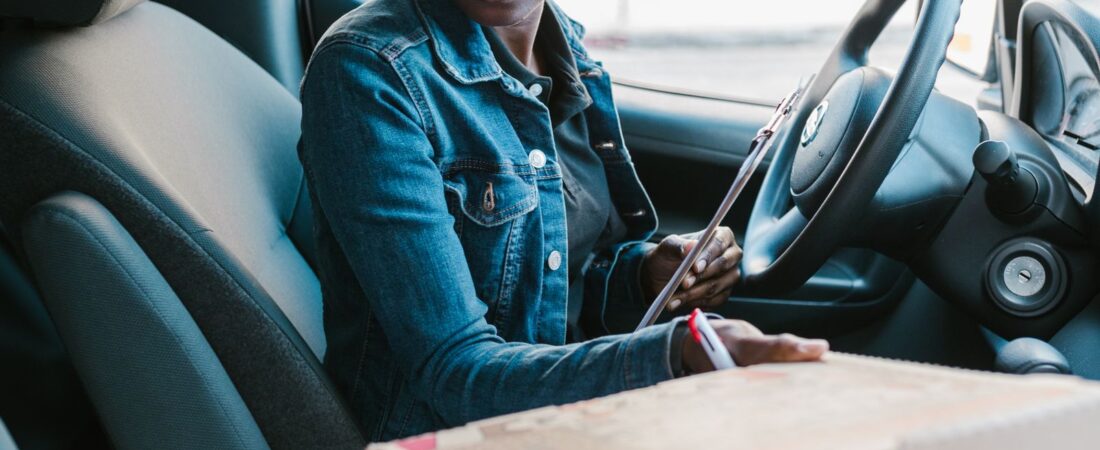

If you’ve been logging into your delivery app this summer and feeling like you’re working harder for less, you’re not wrong. Gas prices hit $4.55 per gallon nationally on May 21, 2026 — the highest seasonal peak in four years — and while they’ve pulled back slightly to $4.09 as of August 13, you’re still spending 30% more at the pump than you were a year ago. That gap is coming directly out of your paycheck, not out of DoorDash’s margins or Uber’s revenue.
According to the Gridwise 2026 Annual Gig Mobility Report, fuel costs for delivery drivers climbed from 11.2 cents to 15.6 cents per dollar earned in Q1 2026 — a 39% spike in fuel’s share of driver income. After-fuel hourly pay fell 8.8%, from $14.29 to $13.04, even as gross earnings held roughly steady. You’re moving the same packages, driving the same roads, and taking home less every single week. This guide breaks down exactly what’s happening to driver pay in 2026, what the platforms promised versus what they actually delivered, and the specific moves that cost-smart drivers are making right now to protect their net earnings.
The Real Numbers: What $4-a-Gallon Gas Costs You Every Week
Here’s the math most drivers never sit down to run. Say you drive 1,200 miles a week, which is average for a full-time gig driver. In a car getting 28 MPG in city driving, that’s roughly 43 gallons per week.
- At last year’s average of $3.13/gallon: $134.59/week in gas
- At August 2026’s national average of $4.09/gallon: $175.87/week in gas
- Weekly difference: $41.28 more — roughly $165 extra per month to do the exact same work
That $165 won’t appear as a line item in your app’s earnings dashboard. It’s invisible unless you’re tracking it yourself. If you’re driving a pickup truck or cargo van for Amazon Flex, the situation is even worse: diesel is averaging $5.40 per gallon nationally in August 2026. A 1,500-mile week in a van getting 15 MPG burns 100 gallons — that’s $540 in diesel alone, before tips, before base pay, before you’ve cleared a single dollar of net income.
A driver earning $800 gross this week may be netting closer to $560 after fuel and basic vehicle wear. Knowing that real number — not the one the app shows — is where everything starts.

What DoorDash and Uber Eats Actually Did — and When They Stopped
Both platforms launched fuel assistance programs earlier in 2026 when prices first spiked past $4. The structure was tiered: earn $5 weekly after 125 miles driven, $10 after 200 miles, and $15 if you crossed 250 miles. Sounds like meaningful relief. The actual participation data tells a much more frustrating story.
- Only 17.4% of active Uber Eats drivers received any gas payment during peak program weeks
- Just 8.9% hit the $15 maximum payout
- DoorDash reached 40.5% of active workers — better, but still left the majority of drivers without a dollar in relief
- DoorDash’s program ended April 29; Uber Eats wrapped up May 3
Think about what that actually means: a full-time driver spending $20–$30 more per week on fuel was getting back, at best, $15 — and only if they hit the mileage thresholds and qualified. DoorDash spent a combined $100 million on gas relief ($50M in Q1, $50M in Q2), which sounds significant until you spread it across hundreds of thousands of active drivers. The per-driver math doesn’t go far.
Both the DoorDash Crimson Visa Card gas cashback extension (ran through June 30) and most Uber Pro Card station rebates have since closed or narrowed. The platforms have moved on. The fuel costs haven’t. What you spend at the pump is entirely yours to control.
Gas Rewards Programs That Can Save Drivers $80–$100 a Month
This is where high-earning drivers are genuinely recovering margin. Stack two or three of these programs and you can cut 40–50 cents per gallon. On a 175-gallon month — typical for a driver putting in full-time hours — that’s $70–$87 back in your pocket without changing a single shift you work.
Free Apps to Download Before Your Next Fill-Up
- GasBuddy Pay card (free tier): saves roughly 25 cents per gallon at participating stations with no annual fee and no credit check required. Works at thousands of US locations and takes under five minutes to set up.
- Upside app: cashback ranging from 15 to 35 cents per gallon depending on your location and current promotions. Pays out to PayPal, gift cards, or direct bank transfer. Stacks cleanly with a cashback credit card for a second layer of savings — both programs honor the same transaction.
Costco Gas: Run the Membership Math
Costco Gas typically runs 20–40 cents per gallon below local retail prices. At current 2026 prices, a $65/year Executive membership pays for itself in fuel savings within two to three weeks for any driver buying 40+ gallons weekly. The catch is logistics: you need a Costco location near your driving zone, and the pumps can back up during afternoon and weekend peaks. Where it works geographically, it’s one of the highest-ROI moves available to delivery drivers right now.
Credit Cards That Pay You Every Time You Fill Up
- Blue Cash Preferred (Amex): 3% back at US gas stations with no cap on the gas category. On $700 per month in fuel — common for full-time drivers — that’s $252 per year back.
- Bank of America Customized Cash Rewards: 3% in your chosen spending category when you select gas, with no annual fee. One of the simplest options for drivers who don’t want to juggle multiple card benefits.
- Shell Fuel Rewards card: baseline 10 cents per gallon discount with no annual fee, rising with linked grocery purchases at participating stores. Best for drivers who regularly pass Shell stations in their delivery zone.
Running Upside plus the BofA Customized Cash card simultaneously is completely allowed — neither program restricts stacking with other rewards. Most drivers running two combined programs in 2026 are seeing $80–$100 per month in real fuel cost offsets with no extra work beyond planning where they stop to fill up.

Behind-the-Wheel Habits That Quietly Drain Your Margin
You can’t change what’s on the price board at the station. You can control how much fuel your car burns — and most delivery drivers develop habits over hundreds of hours that quietly kill MPG without ever noticing the leak.
Hard acceleration from every light and stop sign. Jackrabbit starts are one of the single biggest fuel wasters in urban driving. Smooth acceleration to 35 mph uses roughly 15% less fuel than aggressive launches. In a stop-and-go delivery environment with dozens of intersections per shift, that difference compounds across every tank.
Idling with the A/C running while waiting for orders. Sitting in a restaurant parking lot with the engine running burns about half a gallon per hour. Three 20-minute waits per shift equals roughly a third of a gallon wasted — every single day you drive. If it’s under 80°F or you can find shade, cut the engine.
Under-inflated tires. Every 1 PSI below the manufacturer’s recommended pressure drops fuel efficiency by roughly 0.2%. Most passenger cars call for 32–35 PSI. Drivers covering 1,000+ miles weekly should check weekly. A portable inflator runs about $25 and pays for itself in fuel savings within the first month.
Accepting inefficient routes without checking. Delivery apps optimize for order flow, not your fuel budget. Cross-checking a longer run on Google Maps or Waze before accepting can reveal 2–3 miles of savings per trip. Across a 40-order week, that’s a meaningful number of gallons recovered without declining a single order.
Which Platforms Make the Most Sense When Gas Is This High
At $4+ per gallon, the metric that matters isn’t hourly earnings — it’s earnings per mile. A $12 order requiring 8 miles of driving is worth less than a $9 order covering 3 miles once fuel enters the math. Platform loyalty doesn’t pay the gas bill; margin does.
- DoorDash: commands roughly 67% of US food delivery market share and delivers the highest raw order volume in most markets, but base pay can run as low as $2–$4 before tips. Profitable in dense urban zones where deliveries stack close. Apply a $2/mile minimum rule — if an order doesn’t clear that after your fuel math, decline it without guilt.
- Instacart: batch orders pack multiple items into one store trip, meaning fewer miles per dollar earned — a genuine structural advantage when gas is this expensive. Strongest performer in suburban grocery markets. The full Instacart shopper guide breaks down real earnings by market so you can see whether your area delivers on the numbers.
- Uber Eats: surge pricing activates quickly during evening peaks and bad-weather nights, creating real high-value windows. Solid performer in urban cores. Same mileage filter applies — sort by miles per dollar, not just headline payout.
- Walmart Spark: consistently reporting $21–$22/hour effective pay in 2026, particularly in suburban and rural markets where driver competition is thinner. If it’s available in your zone, it deserves a spot in your weekly rotation.
- Amazon Flex: longer blocks with predictable pay structures, but route distances are harder to control. In a low-MPG vehicle at current gas prices, Flex economics get thin fast. Better suited to drivers running fuel-efficient, hybrid, or electric vehicles.
The highest-earning drivers in 2026 are not staying loyal to one app. They’re working multiple platforms strategically, always accepting whichever order pays best per mile at that moment. High-performing multi-apppers report $22–$28 effective hourly during peak windows — not because they’re working more hours, but because they’ve optimized every mile they put on their car.
Calculate Your True Hourly Rate — Not Just Gross Pay
This is the single discipline that separates drivers building sustainable income from drivers who are unknowingly working harder to stand still. Your app’s earnings summary is your revenue. Your actual pay is what survives after fuel and vehicle costs come out of it.
Run this calculation after every shift:
- Gross earnings (total from the app dashboard)
- Minus fuel cost: miles driven ÷ your MPG × current gas price per gallon
- Minus vehicle wear: use the current IRS standard mileage rate per mile as a benchmark (check IRS.gov for the updated 2026 figure) — it covers depreciation, maintenance, oil, and tires in a single number
- = True net earnings ÷ hours worked = your real hourly rate
Drivers running this math for the first time are often surprised: many find they’re clearing $9–$12/hour net instead of the $16–$17 gross they assumed. That’s not a reason to walk away from gig work — it’s a reason to stop accepting unprofitable orders, tighten your platform mix, and use instant pay features to pull your earnings before the weekly cycle ends, so you’re funding your gas budget without going negative mid-week and eating into the following week’s working capital.
Building Delivery Income That Holds Up When Gas Stays High
Prices spiked in 2022, came back down, then spiked again in 2026. Planning around a return to $2.50 gas is not a strategy — it’s wishful thinking. The drivers earning well right now have built their approach around elevated fuel costs being a permanent feature of the gig economy, not a temporary inconvenience.
A few habits worth locking in now:
- Track fuel spend as its own budget line every week. If it creeps past your target, the answer is more efficient shifts — more orders per hour, tighter route radius — not just logging more hours at the wheel.
- Know your break-even order rate. In most 2026 markets at current gas prices, any order paying less than $1.75–$2.00 per mile after fuel math is a slow money-loser. That threshold is even higher in California, Illinois, and New York where local gas prices run above the national average.
- Position early for fall demand shifts. Cooler weather and rain consistently spike delivery order volume across all major platforms as people order in more — which means more pickups per hour of driving and less idle time burning gas between orders. Use the fall delivery driving guide to set yourself up for that volume increase before the season hits.
- Stay on top of basic vehicle maintenance. A properly tuned engine with clean spark plugs, a fresh air filter, and correctly inflated tires runs 5–10% more efficiently than a neglected one. On a 175-gallon month at $4.09/gallon, a 7% efficiency improvement saves around $50 in fuel — just from maintenance you’d be doing anyway.
The gig economy has always rewarded drivers who treat it like a business. In 2026, with fuel eating 15.6 cents of every dollar earned, that mindset isn’t optional — it’s the line between a side hustle that builds your income and one that quietly bleeds it. Track every dollar, protect every mile, and make the platforms compete for your time on your terms.
Ready to Start Delivering and Cash In?
Join thousands of drivers already earning — and get a $2,575 guaranteed bonus after completing your first 200 deliveries in select US cities.
New drivers: Sign up through our partner link and start earning today!
Sign Up for Uber Eats and Start Delivering →
Must be 18+. Background check required. Terms apply.