

Driver Opportunity
Want to Earn While You Read?
Join as a new driver and get up to a $2,575 guaranteed bonus after completing your first 200 deliveries in select US cities.
Start Earning Now →New drivers only · Terms apply · Available in select cities
What Exactly Is High-Value Retail Courier Work?
Most gig drivers know the DoorDash–Uber Eats loop by heart: accept an order, wait at the restaurant, hand off food at an apartment door, and repeat until your back gives out. But there is a parallel economy of small, extremely high-value physical items — gold rings, estate diamonds, luxury watches, silver bullion bars, and loose gemstones — that move between US jewelers, pawn shops, auction houses, and precious metal dealers every single day. These are not armored-car runs requiring a security guard license or a CDL. They are nimble, point-to-point B2B courier transfers for independent drivers who pass a background check, follow a strict paper trail, and exercise genuine discretion.
The US pawn industry alone — led by chains like EZCorp (800-plus US locations) and FirstCash (more than 1,000 US stores) — routinely moves inventory between stores, sends flagged items to certified appraisers, and transfers high-ticket watches to flagship locations before auction. The Jewelers of America estimates more than 19,000 independent jewelry retailers are operating across the country right now, many of them without reliable access to a bonded local courier. Add coin dealers, precious metal distributors, estate sale companies, and luxury watch service centers, and you have a deep well of repeat B2B business that most Uber Eats and Spark drivers have never thought to tap. These runs sit in the same specialized category as secure facility delivery work — higher barriers to entry, lower volume, and dramatically better pay per hour.

Types of Runs You’ll Handle
- Inter-store jewelry inventory transfers — moving display cases, consignment lots, or individual pieces between chain pawn and jewelry store locations
- Pawn shop appraiser runs — shuttling items from a retail counter to a certified gemologist or metals assayer and returning the appraised lot same-day
- Estate jewelry auction transfers — picking up consignment pieces from private estates and delivering to regional auction houses like Heritage Auctions in Dallas, Skinner in Boston, or Rago Arts in New Jersey
- Precious metal and bullion dealer runs — hand-delivering gold bars, silver rounds, or rare coin lots to verified buyers who prefer in-person receipt over a FedEx shipment and the claim headaches that come with it
- Luxury watch service routes — moving Rolex, Patek Philippe, or Omega timepieces between authorized retailers and certified service centers on a scheduled basis
What Jewelry and Bullion Courier Runs Pay in 2026
ZipRecruiter data from mid-2026 puts flexible jewelry courier pay at $19 to $36 per hour, with the national average near $25.85/hr. Gold delivery runs average $20.60/hr on the same platform. Compare that to gig food delivery, which — after accounting for gas, vehicle depreciation, and uncompensated dead miles — nets most drivers $12 to $17/hr in real take-home. For a full accounting of what the major apps actually pay after all expenses, the breakdown at real delivery driver earnings in 2026 is the most accurate picture available. The math on high-value courier work is not even close.
Hourly vs. Per-Run Pay Structures
You will typically see two pay models in this niche:
- Flat per-run fee — Common with local jewelers and regional pawn chains. A 10-to-15-mile cross-city jewelry transfer in Chicago, Atlanta, or Phoenix pays $45 to $85 flat, with most runs clocking under 45 minutes of actual drive time and zero restaurant wait.
- Hourly contract rate — Standard with estate auction logistics vendors and precious metal dealers. You are on the clock from pickup to final signature, typically $22 to $32 per hour depending on your market and the declared value of the cargo.
Earnings Math: A Real Weekly Scenario
Take the Dallas–Fort Worth metro, which has a dense cluster of pawn chains, independent jewelers, and coin shops. Three recurring clients might look like this: a regional pawn chain needing twice-weekly appraiser runs at $60 per run ($120/week), a local jeweler doing monthly estate consignment transfers to a Dallas auction house at $95 per run ($380/month), and a coin dealer needing bi-weekly in-person buyer deliveries at $75 per run ($150 every two weeks). Monthly gross: roughly $700 to $850 for under 12 hours of actual drive time. That works out to $60 to $70 per effective hour — a figure that beats your best surge pay day on any food platform, with no algorithm randomness attached.
Requirements: What You Need Before Day One
The entry bar is meaningfully higher than a food delivery app — and that is precisely why the pay is better. Here is what you need before you pitch your first client.
Background Check and Bonding
Every legitimate high-value courier client will run a full background check before entrusting you with a $4,000 bracelet. Expect criminal history screening going back 7 to 10 years. In California, Florida, and Texas, a credit check is also standard — financial stress is treated as a risk factor in this industry. Some auction houses and precious metal dealers require you to carry a surety bond, which provides the client coverage if cargo is lost or damaged. Bonding coverage typically runs $10,000 to $25,000, with annual premiums of $100 to $300 for drivers with clean records. That premium is fully tax-deductible as a business expense. Being bonded is also a genuine marketing asset — pitch yourself as a bonded and insured independent courier and you immediately separate yourself from anyone who found the gig on a community board.
Vehicle, Insurance, and Appearance Rules
Here is the rule most first-timers miss: no-logo vehicle, no exceptions. A magnetic DoorDash sign on your door or an Uber Eats hot bag visible through your back window is an instant disqualifier for most jewelry clients. High-value courier work runs entirely on discretion. A clean, plain mid-size sedan or SUV is the standard — nothing flashy, nothing that telegraphs commercial delivery vehicle to anyone watching the parking lot.
Your personal auto policy will not cover commercial courier runs. You need a commercial auto rider or a standalone commercial policy. Expect $800 to $1,800 per year depending on your state and vehicle — see delivery driver insurance costs and coverage for 2026 for a full breakdown of what to buy and what to skip. Every mile you drive on a paid run is also deductible at the 2026 IRS standard mileage rate of 76 cents per mile — full details at the 2026 IRS mileage rate guide. Dress code: business casual at minimum. No athletic wear, no food delivery branded gear. Some auction house and estate pickups expect a blazer when dealing with high-net-worth consignors directly.
Chain of Custody: The Non-Negotiable Skill
This is the skill that separates professional high-value couriers from everyone else — and the one that earns you permanent repeat business. Chain of custody means every item’s location and every handler is documented continuously from the moment the cargo leaves one party’s hands until a named recipient signs for it at the destination. No verbal agreements, no gaps in the record, no exceptions under any circumstances.
Tamper-Evident Seals and Itemized Manifests
For any transfer involving loose stones, gold, silver, or watches above $500 in declared value, industry standard calls for a tamper-evident numbered seal on the package matched to a printed itemized manifest. The seal number is recorded on the manifest before you take physical possession of the cargo. If a seal is broken at pickup or the number does not match at delivery, you do not hand over the package — you call the client immediately and wait for written authorization before proceeding.
Keep your own signed copy of every manifest. A small accordion folder works fine; a dedicated logistics app like Circuit or Route4Me adds timestamped digital records that are even more defensible in a dispute. If a question ever arises about whether a $3,200 watch arrived in the correct condition, your timestamped manifest copy is both your legal protection and the professional credibility that gets you the next contract.
Signature and ID Verification at Delivery
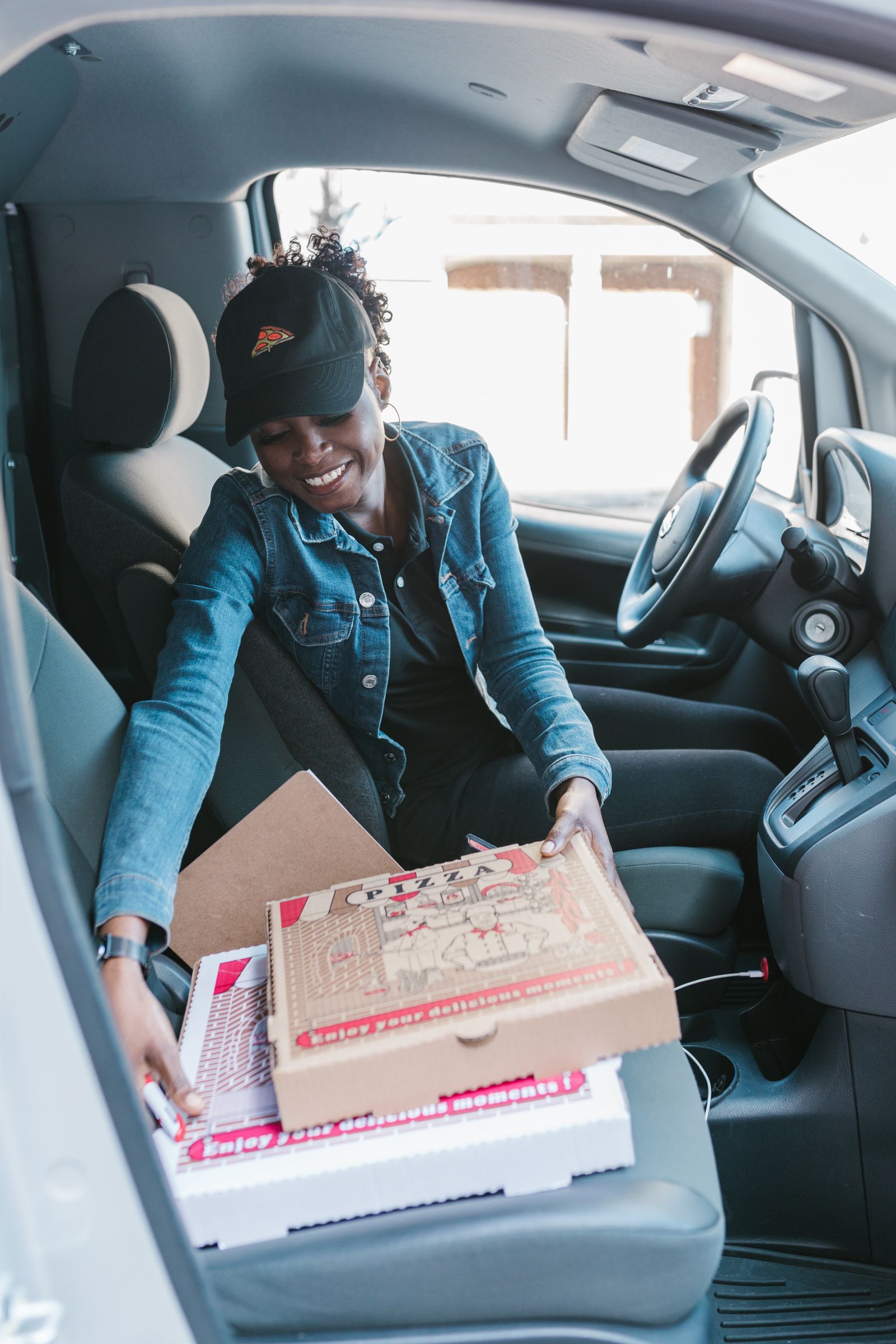
Never release a high-value package without three things: a physical signature from the specific named recipient on your manifest — not just whoever happens to be behind the counter — a timestamped photo of their government-issued ID matched to that name, and a photo of the sealed package in the recipient’s hands before you relinquish physical control. Laminate a one-page handoff checklist and keep it clipped to your manifest binder so your process never varies by client or by run. Clients in this market do not want a courier who usually follows procedure — they want one who always does. This level of documentation discipline mirrors the approach required in escrow and title company document courier runs, where a single gap in the paper trail can void an entire transaction.
Where to Find These Runs and Who’s Hiring in 2026
This work does not live on DoorDash or Spark. You need to seek it out actively — and that is actually good news, because most drivers never do, which means far less competition at every door you knock on.
National Platforms and Local Outreach
- Dropoff.com — Same-day business courier platform operating in 25-plus US cities including Houston, Chicago, Denver, Atlanta, and Los Angeles. Jewelry and retail inventory runs appear regularly in their dispatch queue. Apply as an independent contractor, pass their background and vehicle check, and you are eligible for high-value runs as they come in.
- Roadie (UPS) — UPS’s crowdsourced delivery network has handled precious metal and coin dealer deliveries in Phoenix, Houston, and Atlanta markets. Sign up and look specifically for business-to-business item categories.
- Local jeweler cold outreach — Email or call 10 to 15 independent jewelers in your city and pitch yourself as a bonded, insured local courier specializing in high-value transfers. One yes typically converts to 2 to 4 runs per month with no further selling required. Use the Jewelers’ Board of Trade (JBT) directory to identify member firms by state.
- EZCorp and FirstCash regional operations — Both national pawn chains use a mix of armored logistics and vetted independent couriers for inter-store inventory transfers. Skip corporate HR; contact regional operations managers at stores in your metro directly and ask about their courier arrangements.
Auction Houses, Estate Sales, and Precious Metal Dealers
- Regional auction houses — Rago Arts (New Jersey), Heritage Auctions (Dallas), Clars Auction (Oakland), and Skinner (Boston and Chicago) all need local pickup-and-delivery couriers for consignment intake. Call their shipping or logistics department — not sales — and offer same-day and next-day pickups at a flat per-run rate.
- Coin and bullion dealers — Search the American Numismatic Association (ANA) dealer directory or the PCGS authorized dealer list for shops in your city. Many will pay $60 to $120 for in-person delivery of large coin lots to verified buyers who do not want to risk a FedEx claim on a $15,000 shipment.
- Estate sale companies — Browse EstateSales.net for active operators in your market. Pre-sale and post-sale jewelry and small valuables transfers between estates and auction houses are common weekend work, often paying $80 to $120 per run for a 30-to-60-minute drive.
For building a broader B2B courier client base beyond jewelry and precious metals, the guide to off-the-beaten-path courier runs covers ten additional niche markets that consistently out-earn the major food delivery platforms on a per-hour basis.
Safety, Discretion, and What Can Go Wrong
High-value courier work carries real risks that need to be managed proactively — before your first run, not after your first incident.
No-Logo Vehicle Rules and Route Discipline
Never run the same route at the same time on two consecutive weeks for any recurring client. Organized retail crime groups — documented extensively by the FBI’s Cargo Theft Task Force — have targeted known courier routes between jewelry stores and coin dealers in US metros including Los Angeles, Miami, and Chicago. Vary your approach, vary your departure times, and keep all cargo in your trunk and out of sight at all times. Lock your vehicle every single time you leave it, even for 60 seconds. Never leave a sealed parcel in an unattended vehicle overnight — most commercial auto insurance policies explicitly void cargo coverage in that scenario.
If Something Goes Wrong
If a package seal is broken at pickup, do not accept the run. Photograph the broken seal with a timestamp, call the client immediately, and do not take possession until you have written authorization. You are not responsible for pre-existing damage, but you are fully responsible for everything that occurs after you sign the manifest. If your vehicle is broken into or you are robbed, call 911 first and the client second. Both your commercial insurance carrier and the client’s cargo insurer require a police report filed within 24 hours. Keep the client’s emergency contact number saved separately from their dispatch email — a real human needs to be reachable at 9 PM when things go sideways.
Building This Into a Sustainable Income Stream
The real strategy here is not chasing individual jewelry runs — it is building a roster of 4 to 6 recurring B2B clients in your city, each needing 2 to 4 runs per month. That is 12 to 24 runs monthly from a small set of stable relationships, with zero app algorithm risk, no surge pricing games, and no customer rating anxiety hanging over every delivery. Send professional invoices on a net-15 basis, show up on time every time, document every transfer without exception, and check in with each client monthly even during quiet periods. Jewelry store managers, pawn shop operators, and coin dealers all talk to each other in their local trade circles — one client who genuinely trusts you is worth more than fifty five-star food delivery ratings.
The scheduling play: block midweek mornings for B2B jewelry and bullion runs when your business clients are most accessible and phone-reachable. Reserve evenings and weekends for platform gig work if you want to supplement. The delivery driver time management and scheduling guide breaks down exactly how to structure a hybrid income week so you are maximizing net earnings across both channels without burning out or letting either client base feel neglected.
Ready to Start Delivering and Cash In?
Join thousands of drivers already earning — and get a $2,575 guaranteed bonus after completing your first 200 deliveries in select US cities.
New drivers: Sign up through our partner link and start earning today!
Sign Up for Uber Eats and Start Delivering →
Ready to Start?
Turn This Guide Into Real Income
Thousands of drivers are already earning with delivery gigs. New drivers can get up to a $2,575 guaranteed bonus after their first 200 deliveries in select US cities.
Sign Up & Start Delivering →New drivers only · Terms apply · Available in select cities
Must be 18+. Background check required. Terms apply.