


If you drive for DoorDash, Uber Eats, Instacart, or Spark in any major US metro, you already know that certain holidays are money. Thanksgiving weekend, New Year’s Eve, the Super Bowl — those are in every driver’s playbook. But the Jewish High Holidays? Almost nobody talks about them, and that’s exactly why they represent one of the most underrated surge opportunities of the entire year.
Rosh Hashanah kicks off at sunset on September 11, 2026 and runs through September 13. Yom Kippur follows on September 20–21, 2026. Sukkot stretches from September 25 through October 3, 2026. Across three weeks, drivers in cities with large Jewish populations are looking at multiple high-demand windows where demand routinely outpaces supply — and where tips run generous because customers know exactly how important this time of year is to them. Here’s how to show up prepared and get paid.
Why the Jewish High Holidays Create a Delivery Surge Drivers Should Know About
To understand the demand spike, you need to understand a few things about Jewish observance. During Rosh Hashanah (the Jewish New Year) and especially during Yom Kippur (the Day of Atonement), observant Jewish households follow strict religious rules. On Yom Kippur, observant Jews fast for 25 hours and are prohibited from using electricity, which includes phones and computers. That means no ordering food themselves — but their family members, especially those who aren’t fasting, still need to eat. In mixed-observance households, non-fasting family members often place large orders in the hours before the holiday begins.
The result: a compressed, predictable demand surge in the hours leading up to each holiday. Erev (Hebrew for “eve of”) windows are when you want to be clocked in and positioned. The other major window is the break-fast — when Yom Kippur ends at nightfall on September 21, 2026, and Jewish families across the country order food to end the fast together. In cities like New York and Miami, that single window can be one of the busiest delivery nights of the entire calendar year.
There’s also the reality that Sukkot brings a week of communal celebrations that generate consistent catering and grocery demand. And throughout this entire three-week stretch, kosher restaurants and Jewish delis in major metros run at maximum capacity with delivery orders — which means drivers who show up during these windows get steady, well-paying runs with minimal dead time between orders.
Contrast this with mainstream holidays, where every driver in the city is fighting for the same surge. The High Holidays are concentrated in specific neighborhoods and ZIP codes where Jewish households are clustered, and most drivers haven’t figured this out yet. That’s your edge.
Key Dates and the Delivery Windows That Actually Matter in 2026
Mark these windows in your calendar now. Each one represents a distinct surge opportunity:
Rosh Hashanah: September 11–13, 2026
- Erev Rosh Hashanah (September 11, afternoon-evening): This is your biggest window for the New Year holiday. Families are preparing for the holiday dinner and placing last-minute delivery and grocery orders from late afternoon until sunset — approximately 7:30 PM in most cities. Expect high demand for challah, brisket, honey cake, apples, and full deli spreads.
- September 12–13: The holiday itself. Demand is lower on these days as observant families are largely offline, but secular and less-observant households in these same neighborhoods still generate solid volume.
Yom Kippur: September 20–21, 2026
- Erev Yom Kippur (September 20, afternoon): Arguably the single most valuable delivery afternoon on the Jewish calendar. Families place large pre-fast meal orders and pre-stage break-fast food for after the holiday ends. Orders are often large, well-tipped, and time-sensitive.
- Break-Fast (September 21, nightfall ~7:20 PM): The moment the fast ends, delivery demand surges hard and fast. Bagels, lox, cream cheese, smoked fish, blintzes, rugelach — full spreads for family gatherings. In NYC and Miami, Instacart and DoorDash drivers report this window being comparable to a mini-Thanksgiving in terms of volume and tips.
Sukkot: September 25 – October 3, 2026
- A week-long festival with communal meals and consistent catering demand. The first two days (September 25–26) and the final days — Shemini Atzeret and Simchat Torah (October 2–4) — are the highest-demand windows. Catering orders and grocery runs dominate.
Which US Cities Have the Biggest Jewish High Holiday Surge
Not every market will see the same uplift. The surge is hyper-local — concentrated in specific metros and, within those metros, in specific neighborhoods. Here’s where to position yourself:
Tier 1: Maximum Surge Markets
- New York City: The largest Jewish population in the US outside of Israel — over 1.1 million Jews in the five boroughs, plus Long Island and Westchester. Key zones: Borough Park and Crown Heights in Brooklyn, the Upper West Side in Manhattan, Forest Hills and Flushing in Queens, Riverdale in the Bronx. The break-fast window in NYC is legendary among drivers who know about it.
- South Florida (Miami / Boca / Aventura): Boca Raton, Aventura, Miami Beach, and Bal Harbour have some of the densest Jewish populations in the Sun Belt. Snowbirds return in September, amplifying demand beyond the local baseline. Instacart and DoorDash both run surge pricing here during erev windows.
- Los Angeles: 500,000+ Jewish residents. Focus on Pico-Robertson (“the Pico”), Beverly Hills, West Hollywood, the Fairfax District, Valley Village, and Encino. The Pico corridor has the highest concentration of kosher restaurants in the Western US.
Tier 2: Strong Surge Markets
- Chicago: North Shore suburbs (Skokie, Wilmette, Evanston), Rogers Park, and West Rogers Park. Skokie has a highly concentrated observant community and is one of the best mid-tier markets in the country for this window.
- Philadelphia: The Main Line suburbs (Lower Merion, Bala Cynwyd), Northeast Philly, and Center City. The Main Line generates large catering orders with above-average tips.
- Baltimore: The Pikesville corridor (Pikesville, Owings Mills, Reisterstown) is one of the most observant communities on the East Coast. Drivers who know this area can stack runs efficiently with short distances between drops.
- Boston: Brookline (especially Coolidge Corner), Newton, and Newton Centre. Brookline is walkable and dense — shorter delivery distances and faster turnaround than most markets.
- Washington DC Metro: Bethesda, Rockville, Silver Spring, and Chevy Chase in Maryland; McLean and Great Falls in Northern Virginia.
Tier 3: Solid Secondary Markets
- Atlanta: Sandy Springs, Dunwoody, and Buckhead. A growing community with strong catering demand during the holidays.
- Houston: Meyerland neighborhood, Memorial, and West University Place.
- Cleveland: Beachwood, Orange, and Pepper Pike — one of the most concentrated Jewish communities in the Midwest relative to city size, and a market where most drivers aren’t paying attention.
What You Will Actually Be Delivering (And Why the Orders Pay Well)
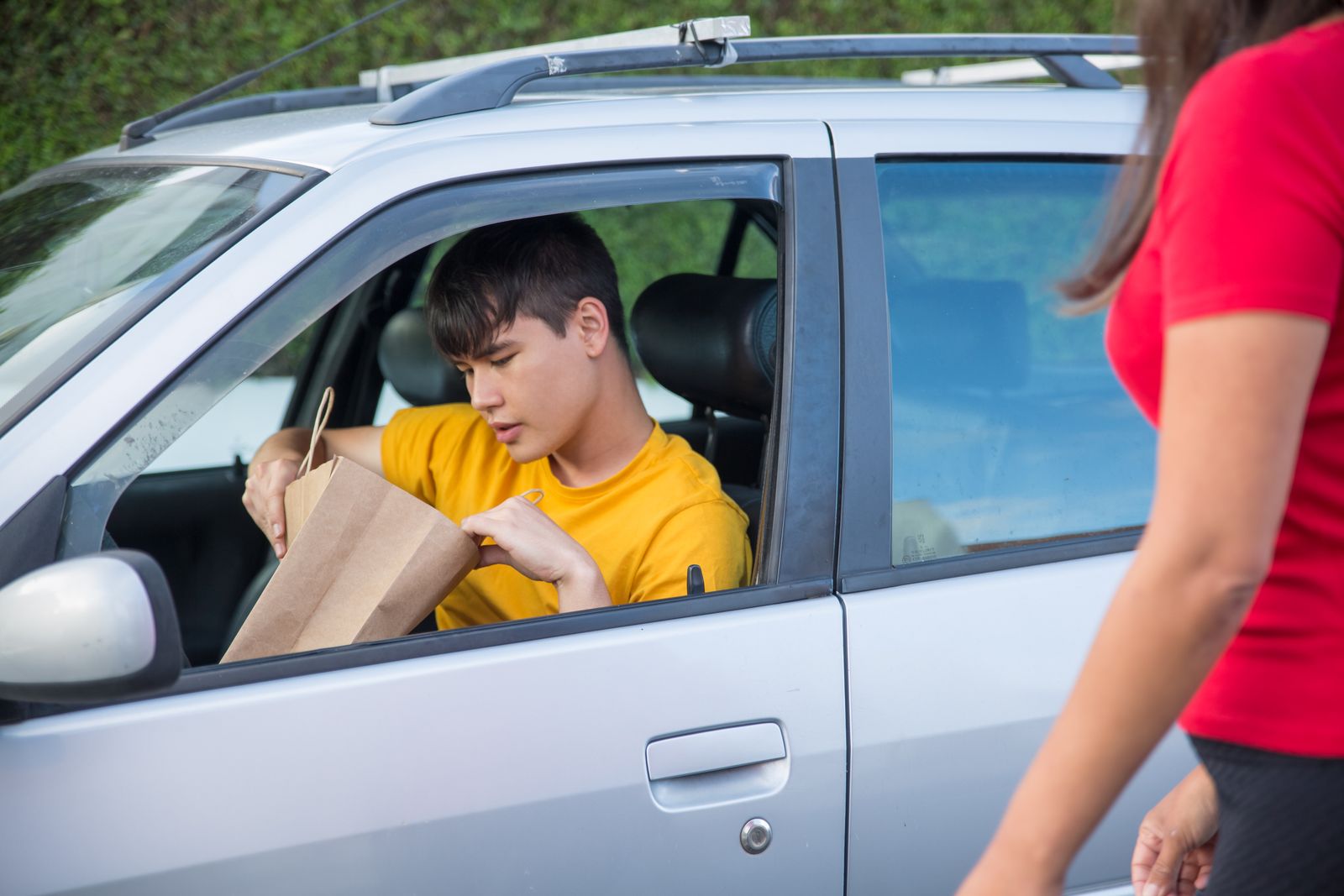
Jewish holiday orders are not your average fast-food delivery. They tend to be larger, more complex, and — critically — better tipped. Customers who are preparing for Rosh Hashanah or breaking a 25-hour Yom Kippur fast are not in a mood to be stingy. Here’s what’s in the bags:
Restaurant and Deli Orders
- Challah bread: Braided loaves that appear in virtually every Rosh Hashanah order. Round challahs are traditional for the New Year and are often ordered in bulk. High item count, straightforward delivery, solid tips.
- Brisket and roasted chicken: Holiday dinner staples. Multi-item, full-meal orders from kosher delis and Jewish-style restaurants — the kind that tip well because the customer knows the order is substantial and complicated.
- Matzo ball soup: Standard in most holiday meal orders. Be careful with liquid — these containers can leak if not kept upright. A rubber mat or folded towel in your trunk keeps everything stable.
- Deli platters and appetizing spreads: Smoked salmon, whitefish salad, cream cheese, bagels, pickles, herring — especially for break-fast gatherings. These are often $60–$150+ catering orders, sometimes with built-in gratuity included on the platform.
- Rugelach and babka: Pastry orders from Jewish bakeries on DoorDash and Uber Eats. Short delivery window, consistently good tips, easy to handle.
Grocery and Errand Orders
- Instacart orders from Whole Foods, Trader Joe’s, and specialty kosher markets spike hard in the days leading up to each holiday. Grape juice (used for Kiddush blessings), candles, honey, round challah, and prepared foods are the most common batch items.
- Spark (Walmart) also sees an uptick in certain markets, particularly for household staples and prepared foods from Walmart’s certified kosher section.
- Quick-commerce platforms see elevated demand for wine, sparkling water, and prepared snacks in Jewish-concentrated ZIP codes across the three-week window.
One tactical note: if you’re on Instacart and see a large shop-and-deliver order from a kosher market during a holiday window, accept it. These orders often include 30–60 items with well-above-average batch payment. The shop takes longer, but the payout reflects it — and tips on these runs are consistently strong because the customer knows they’re asking a lot of you.
App-by-App Strategy for the Jewish High Holidays
Each platform behaves differently during surge windows. Here’s how to work each one during the High Holidays:
DoorDash
DoorDash is your primary vehicle for restaurant orders during the High Holidays. In cities like NYC and LA, Jewish delis and kosher restaurants will be slammed from mid-afternoon on erev days. Peak Pay activations are common during these windows in Tier 1 markets — check the app at 2 PM on September 11 and September 20 to see if Peak Pay has kicked in for your zone. The move: position yourself near a kosher deli or restaurant cluster before the surge starts, not after. Parked two blocks from Sarge’s Deli in Midtown Manhattan or Canter’s Deli in LA by 3 PM on erev Rosh Hashanah, you are going to eat well that evening.
Uber Eats
Uber Eats typically runs surge pricing — visible as blue heat map zones — in Jewish neighborhoods during erev windows. The algorithm responds quickly to demand concentration, so being in the right neighborhood 30–45 minutes before sunset means catching the surge before other drivers notice. Uber Eats also processes high-ticket orders from Jewish restaurants efficiently, which means faster checkout for customers and faster dispatch for you.
Instacart
Instacart is where the big grocery money lives in the 3–5 days leading up to each holiday. Kosher markets and Whole Foods locations in Jewish neighborhoods will have elevated batch rates and stronger tips during this window. The weeks of September 7–11 and September 15–20 are when you want to be active on Instacart in these markets. If you’re not yet on the platform, sign up now — the activation timeline takes a few days and you don’t want to miss the pre-Rosh Hashanah grocery wave.
Spark (Walmart)
Spark’s surge correlates more with pre-holiday grocery shopping than the holidays themselves. September 8–10 and September 17–19 are your Spark windows. Walmart carries certified kosher sections in many stores, and large-batch delivery orders from Walmart in Jewish ZIP codes tend to be high-value, with shorter shop times than specialty grocery stores.
Running Multiple Apps
Running two apps simultaneously — DoorDash and Uber Eats, or Instacart alongside a food delivery app — is the standard move for experienced drivers during peak windows. Switching between platforms to take the better offer is where the real earnings premium comes from. If you’re not already running multiple apps, the High Holidays are an ideal time to start. See our full breakdown of multi-app delivery strategy for 2026 — it covers how to avoid conflicts and stay in good standing on both platforms simultaneously.
Handling Large Catering Orders and Multi-Stop Runs
Jewish holiday catering orders are common — not the exception. Synagogues, Jewish community centers, and private families ordering for 20–40 people all use delivery apps during the High Holidays. Here’s how to handle them without getting burned:
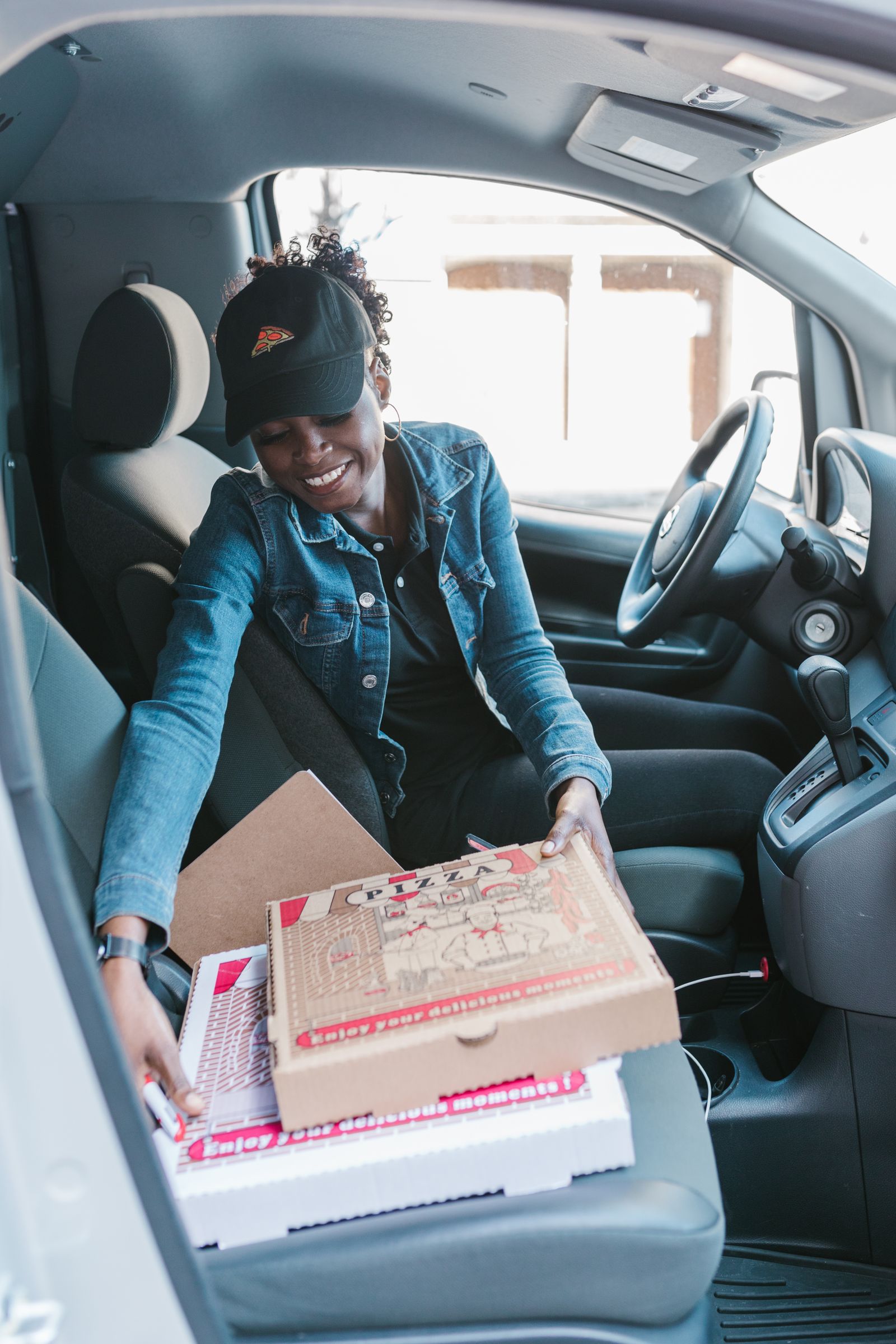
- Accept large orders only if you have the cargo space. A full break-fast spread for 25 people can mean 8–10 bags. Minivan and SUV drivers have a genuine advantage here. Know your limits before tapping accept on a 12-item catering run.
- Confirm pickup details before you leave the restaurant. Large catering orders sometimes have staging issues — food ready in waves, wrong item count, or separate pickups for hot versus cold items. Confirm everything is accounted for before you walk out the door.
- Communicate proactively if you’re running behind. Holiday timing is culturally significant. If a family is expecting their break-fast spread at 7:20 PM and you’re stuck in traffic, a quick text goes a long way. Customers tip better when drivers communicate ahead of the problem rather than after. More detail on this in our guide to maximizing tips as a delivery driver in 2026.
- Handle food with extra care. Matzo ball soup, gefilte fish, and full deli containers are not engineered for rough rides. A folded towel or rubber mat in your trunk keeps things upright and your ratings intact.
For drivers who want to maximize the High Holiday window, treat September 11 and September 20 the same way you’d treat Thanksgiving — full shift, fully stocked car, extra thermal bags, fully charged phone. The holiday peak season delivery guide on this site covers the broader framework for approaching major demand windows throughout the entire calendar year.
Driver Etiquette During the Jewish High Holidays
This matters more than most drivers realize. A little cultural awareness during the High Holidays is the difference between a 20% tip and a complaintthat dings your rating.
During Yom Kippur Itself (September 20 Sunset – September 21 Nightfall)
If you’re delivering to an observant Jewish household during Yom Kippur, understand that they will not be answering the door. Their phones are off. They are not ignoring you — they are at services or resting, as required by religious observance. Leave the order at the door, do not ring the bell repeatedly, and do not call or text. Mark the delivery complete with a drop-off photo and move on. If you ring repeatedly, you risk disturbing the household and drawing a complaint. Follow the customer’s delivery instructions exactly; if none are provided, safe-drop at the front door with a clear photo.
During Rosh Hashanah Services
Many customers will be at synagogue during Rosh Hashanah evenings (September 11–12) and morning services (September 12–13). Services often run 3–4 hours. Orders placed before services begin may go to voicemail or unanswered texts. This is normal — do not escalate to support, just deliver and document with a photo.
Small Gestures That Build Your Reputation
A brief “Shana Tova” (Happy New Year, used around Rosh Hashanah) or “Have an easy fast” on Yom Kippur, if you see a customer in person, will be genuinely appreciated. In dense neighborhoods where word-of-mouth is real, this kind of attentiveness shows up in your ratings over time. Our holiday tipping guide for delivery drivers covers how cultural respect during key moments directly translates to better take-home pay.
Realistic Earnings: What Drivers Actually Make During High Holiday Windows
A solid driver in a major metro earns $22–$28 per hour on a regular busy evening. During the erev windows for Rosh Hashanah and Yom Kippur, experienced drivers in Tier 1 markets consistently report $38–$60+ per hour — a 50–100% premium over baseline. The break-fast window on September 21 is where the top earners in NYC and Miami report $65–$80 per hour for 2–3 hours straight, driven by surge pricing, large order sizes, and strong tips from customers who’ve been fasting all day and are grateful for fast, professional delivery.
By Market
- New York City: $45–$70/hour in peak erev windows running DoorDash and Uber Eats together. High demand density in Brooklyn and the Upper West Side keeps order velocity high with minimal dead mileage.
- Los Angeles: $35–$55/hour in Pico-Robertson and Beverly Hills zones. Position before 3 PM — LA traffic is the wildcard that destroys earnings if you’re late to your zone.
- South Florida: $35–$50/hour in Boca Raton and Aventura. Snowbirds returning in September amplify the local baseline significantly. Instacart overperforms here relative to other markets.
- Chicago, Philadelphia, Baltimore: $28–$42/hour during peak erev windows. Concentrated communities with manageable geography keep order velocity high without the dead mileage that kills earnings in sprawling markets.
A driver who works strategically across the full stretch — pre-holiday grocery surges (Sep 7–10), erev Rosh Hashanah (Sep 11), erev Yom Kippur and break-fast (Sep 20–21), and Sukkot catering (Sep 25–Oct 3) — can generate $350–$600 above their normal pace over this period. For full-time drivers in Tier 1 markets, the complete window adds up to $700–$1,100 in incremental earnings over a baseline September-October. Two perfectly timed erev shifts can outperform five average weekend shifts in the same market. For a broader seasonal framework, see our seasonal delivery driver tips for holiday and summer peaks.
Pre-Holiday Prep: What to Do Before September 11
Don’t show up to the Rosh Hashanah erev window cold. Here is the checklist:
- Map your surge zones now. Identify kosher restaurant clusters, Jewish neighborhoods, and high-demand ZIP codes in your market. Save them as named locations on your phone.
- Upgrade your thermal bag setup. You need at least one large insulated bag (18″x18″ or bigger) and a secondary bag for drinks and extras. Holiday orders run large.
- Get on Instacart if you’re not already active. Signup and background check takes a few days. Apply now to be cleared before the first pre-holiday grocery wave hits September 7.
- Check your vehicle. Full gas tank, clean interior, fully charged phone with a reliable mount. You may be running hard for 4–6 hours during peak erev windows.
- Schedule your DoorDash shifts in advance. Scheduled shift slots fill fast in high-demand zones. Lock in September 11 and September 20 afternoon-to-evening blocks before other drivers figure out what you know.
- Identify your nearest kosher restaurants on your delivery apps. Note their hours and typical order prep times. On erev days, these are your primary pickup locations — know them cold before you start your shift.
The Jewish High Holidays are one of the most reliable, bankable surge opportunities in the entire gig economy calendar — predictable, repeatable, and almost completely ignored by most drivers. That advantage belongs to drivers who show up prepared in 2026, know the dates, and are already positioned in the right neighborhoods before the surge begins. Do the prep now and get out there.
Ready to Start Delivering and Cash In?
Join thousands of drivers already earning — and get a $2,575 guaranteed bonus after completing your first 200 deliveries in select US cities.
New drivers: Sign up through our partner link and start earning today!
Sign Up for Uber Eats and Start Delivering →
Must be 18+. Background check required. Terms apply.