


July 4th 2027 lands on a Sunday. That makes Monday, July 5 the official federal holiday observance — and suddenly you’re looking at a three-day earning window from Saturday July 3 through Monday July 5 that most delivery drivers don’t fully prepare for. Independence Day is one of the top-earning holiday weekends of the entire year, but it has a specific rhythm. Miss it and you’ll spend half the day waiting in dead zones while the money concentrates somewhere else. Nail it and you could be looking at one of your best single-weekend payouts of the summer.
This guide covers everything: which shifts matter most across all three days, how to read your zone, how to balance grocery versus hot food delivery, what to know about alcohol orders, how to handle the July heat, and how to capture the post-fireworks late-night rush that most drivers leave on the table. July 4th 2027 is a big weekend — here’s exactly how to earn accordingly.
Why July 4th 2027 Is One of the Best Earning Weekends of the Year
The numbers make a strong case. The National Retail Federation estimates July 4th food spending at around $9.5 billion annually, with roughly 6 in 10 Americans celebrating with a backyard BBQ or cookout. That translates to tens of millions of households stocking up on food, drinks, ice, charcoal, and party supplies — and a meaningful percentage of those orders are flowing through Instacart, Spark, DoorDash, and Uber Eats.
AAA has tracked record July 4th travel in recent years, with more than 70 million Americans traveling for the holiday, the majority by car. That movement concentrates in suburban corridors, beach communities, lake towns, and highway-adjacent neighborhoods — exactly the zones where residential delivery demand spikes hardest. Meanwhile, downtown office districts go completely dark. If your weekday hot zones are office-heavy, you need to pivot for this weekend.
Consumer fireworks and sparkler sales top $2.7 billion annually (American Pyrotechnics Association), driving heavy traffic to convenience stores, party supply retailers, and big-box locations — many of which now fulfill orders through Spark, DoorDash’s convenience vertical, and Instacart. That’s an additional demand stream layered on top of the BBQ grocery surge.
One caveat worth naming upfront: July 4th also activates every dormant driver in your market. In larger metros, driver supply can temporarily compress surge pricing in the first couple of hours of what looks like a hot window. The zone strategy section below covers how to sidestep that.
The July 4th 2027 Weekend Schedule — Day by Day
Saturday, July 3 — The Setup Day
Saturday July 3 is underrated. This is the day people realize they forgot the buns, the extra charcoal, the ice, or the case of beer. Grocery and convenience delivery demand kicks in mid-morning and runs hard through mid-afternoon — roughly 10am to 3pm in most markets. If you’re on Instacart, Spark, or DoorDash’s grocery and convenience side, get positioned near grocery clusters, warehouse stores, and big-box retail by 9:30am. You want to already be in queue before the mid-morning wave of orders hits.
Saturday evening (6–9pm) brings a solid hot-food dinner rush as people grab a casual meal before the main holiday tomorrow. It’s not as intense as July 4th itself, but it’s a reliable earning window and a good warm-up shift before the bigger days ahead.
Sunday, July 4 — The Main Event
July 4th runs best when you treat it as two distinct phases — with a deliberate rest period in between.
Phase 1: Morning to Early Afternoon (10am–3pm). The last-minute BBQ supply rush. Grocery platforms dominate this window: Instacart, Spark, Amazon Fresh, and Whole Foods via Amazon Flex blocks will all be active and tipping well on the holiday. Orders lean toward ice, drinks, burger patties, buns, chips, condiments, and party supplies. Large batch orders are common here, which means better base pay on a per-order basis.
Phase 2: Evening and Late Night (6pm–Midnight+). Once the grills cool down and people want dessert or a late snack, hot food orders surge. The real sleeper here is the post-fireworks window — roughly 9pm to midnight — when demand for ice cream, pizza, wings, and convenience store runs spikes hard as crowds head home from the shows. Most drivers leave this window on the table. Don’t be one of them. Here’s the full breakdown on how to work late-night delivery windows effectively.
Monday, July 5 — Federal Holiday Recovery
July 5, 2027 is the observed federal holiday. Many people have the day off, nobody wants to cook after a big weekend, and that creates a real brunch and lunch delivery window from roughly 9am to 1pm. Not as intense as the 4th itself, but meaningfully above a standard Monday. After 2pm, demand drops sharply. A morning half-shift on July 5 adds solid income with relatively little competition. Or use it as a full recovery day — your call based on how you’re feeling after Saturday and Sunday.
Zone Strategy — Where to Position for Maximum Orders
Reading your market correctly on July 4th weekend is what separates a $400 day from a $200 one. Here’s how to think about the geography:
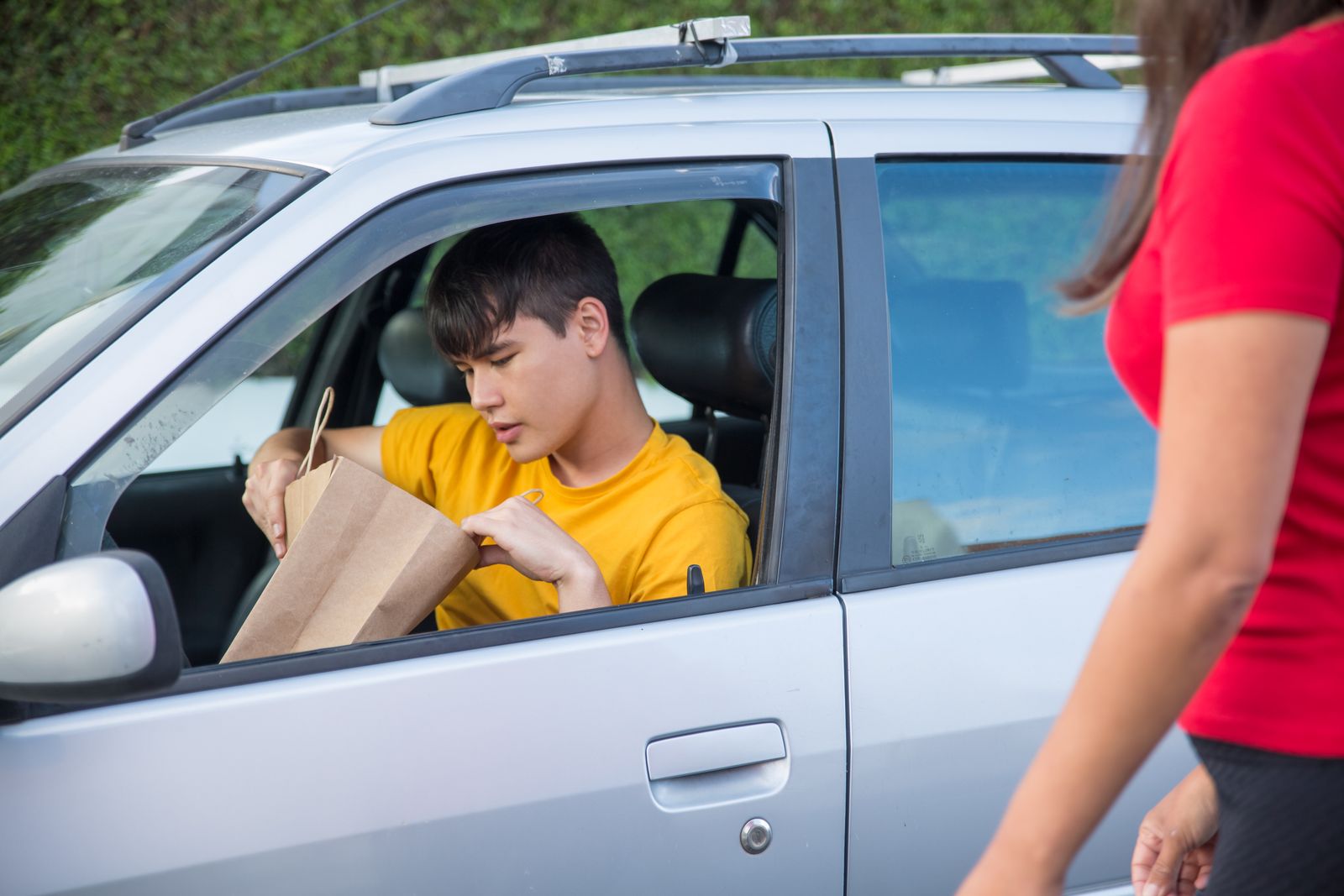
- Suburban residential neighborhoods are your primary zone. Dense single-family housing areas, apartment complexes with outdoor spaces, and townhome communities are where the BBQ runs, grocery orders, and food delivery demand actually lives. This is your gold zone for the whole weekend.
- Beach towns and lake communities can pay well but are logistically brutal. Parking is nearly impossible. Roads back up for miles. Customers may be at temporary locations — a park, a friend’s rental, a spot on the beach without a clear address. These zones can still be profitable if you know the roads, but factor the added time cost into every acceptance decision.
- Downtown and office districts go dead. The weekday lunch crowd is completely absent on a federal holiday weekend. Pivot entirely to residential zones.
- Highway-adjacent strip malls see through-traffic from road trippers but rarely convert to meaningful delivery density. Not worth prioritizing.
Start monitoring your market’s heat maps on Thursday, July 1 and Friday, July 2. Watch where surge zones and boost areas activate on the preceding weekend — late June 2027 data gives you your best real-world preview of where demand concentrates in your specific market. See our deep dive on reading surge pricing and boost zones across DoorDash, Uber Eats, and Spark to understand how to position before the peak rather than reacting to it after the fact.
Grocery, Hot Food, and Alcohol Delivery — How to Stack Your Weekend
July 4th rewards drivers who can move fluidly between order types. The morning-to-afternoon window on both July 3 and July 4 strongly favors grocery and convenience platforms — Instacart, Spark, DoorDash convenience, and Amazon Flex grocery blocks. These orders tend to be larger, the holiday mood pushes tips higher, and a BBQ-supply batch order on a big holiday can pay significantly better than a standard restaurant run. The evening window shifts decisively to hot food: DoorDash and Uber Eats restaurant orders driven by the dinner rush and post-fireworks late-night hunger.
If you’re set up to multi-app, front-load grocery in the morning and transition to restaurant apps as evening gets going. Before the weekend starts, check each platform for holiday challenges, streak bonuses, and boost zone promotions — platform promos on major holidays can add real money to a shift if you know the thresholds you’re chasing ahead of time. For Amazon Flex drivers specifically: check the block release schedule for July 3–4 early in the week. Grocery blocks through Amazon Fresh and Whole Foods pay well on holidays and get snapped up fast.
Alcohol delivery is a major opportunity this weekend. July 4th is one of the highest-volume alcohol-order weekends of the year — beer, hard seltzers, wine, and spirits orders spike across every platform that enables alcohol delivery. These are higher-value orders, and customers in a celebratory mood tend to tip generously. But before you accept any alcohol order this weekend, make sure you know the rules cold. Alcohol delivery is regulated at the state and county level: dry counties exist, age verification requirements differ by app, and you are personally responsible for not delivering to minors or visibly intoxicated individuals. Getting this wrong can cost you your account or expose you to legal liability. Read our complete alcohol delivery rules guide for DoorDash, Uber Eats, and Spark before accepting your first alcohol order this weekend. For the full picture on how each platform handles compliance, see the complete alcohol delivery guide here. Know the rules, and these become some of the most profitable orders of the weekend.
Surviving the July Heat — Your Car, Body, and the Cold Chain
July 4th weekend is peak summer heat. In most US markets you’re dealing with heat indexes above 90°F — often above 100°F in the South, Southwest, and inland California. This creates real operational risks for every part of your shift that you need to account for before you log on Saturday morning.
Your car. Your AC runs continuously all day in July heat. Before the weekend, confirm coolant levels are good and your AC is blowing cold at full output. Our guide on keeping your car’s AC and cooling system healthy under delivery conditions covers what to check and how to prevent overheating mid-shift. A car that starts cycling warm air on a 98°F July 4th afternoon is an expensive, time-consuming problem you don’t want to troubleshoot mid-shift.
Your body. You’re in and out of a hot car all day, moving fast between stops. Dehydration sneaks up faster than you realize when you’re focused on orders. Bring a large insulated water bottle, pack electrolyte supplements or sports drinks, and don’t skip meals. Our driver hydration and nutrition guide covers exactly how to fuel yourself for a long summer shift. Heat exhaustion doesn’t care that you’re trying to hit your earnings goal.
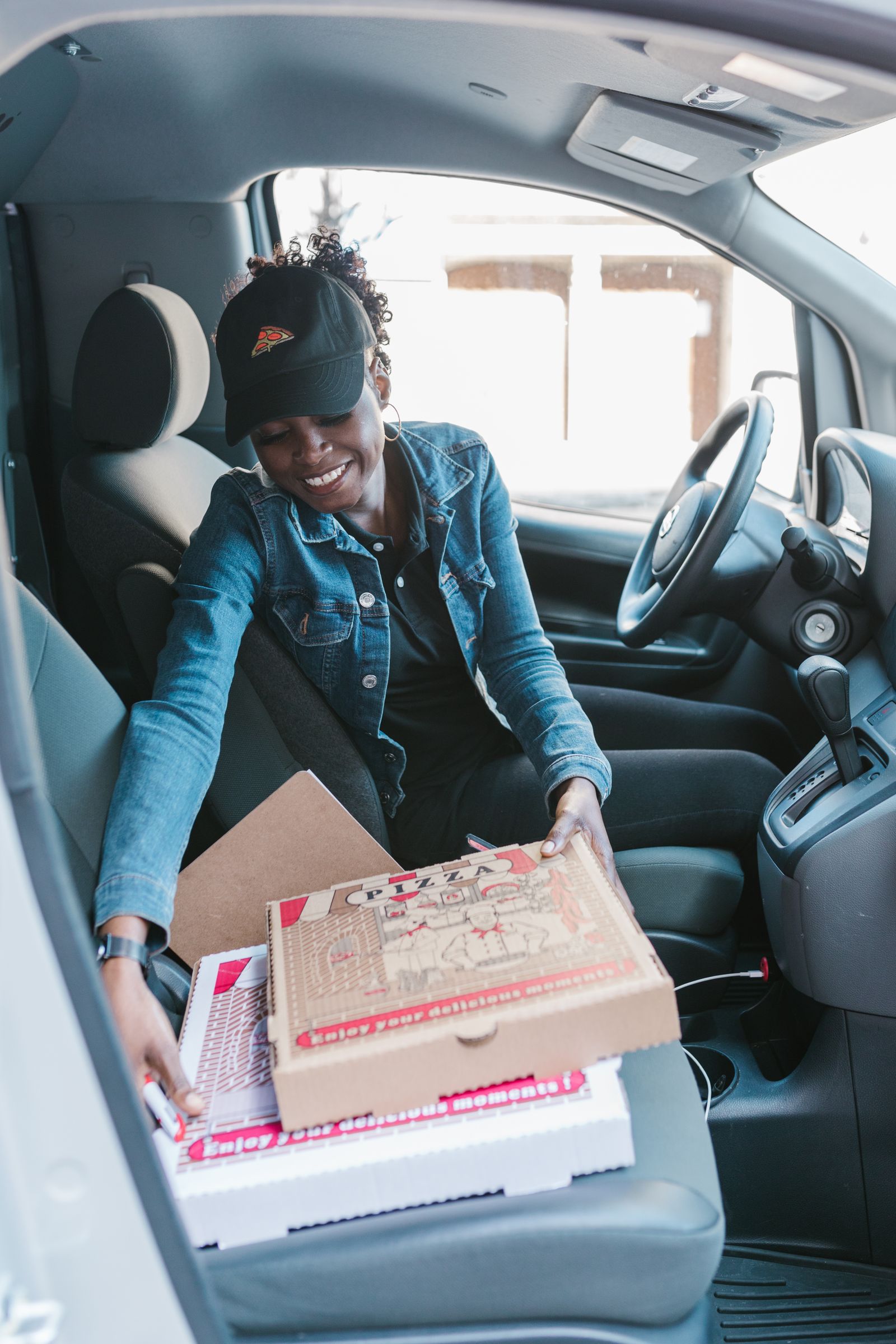
The cold chain. Grocery and convenience orders are especially vulnerable on a 95°F day. Ice cream melts in minutes. Frozen items start to thaw. Cold beverages go warm. High-quality insulated bags are non-negotiable this weekend. See our recommendations for the best insulated delivery bags. For ice and cold grocery runs, pre-cool your car before loading. A melted pint of ice cream or a warm rotisserie chicken generates a complaint, a low rating, and a refund request — all avoidable with the right equipment and prep. Review the food safety temperature guidelines every delivery driver needs to know.
For the bigger picture on working smart through the entire summer, our summer heat delivery strategy guide covers how to schedule around peak heat hours, prepare your car, and protect your health and income across the full season.
The Fireworks Night Rush — 9pm to Midnight Is Money
This is the most underrated earning window of the entire July 4th weekend, and it’s where most drivers leave money on the table by calling it a night too early.
After the fireworks shows end — typically 9:30–10:30pm depending on your market — crowds disperse, people get home, and they want something to eat. After a full day of BBQing, celebrating in the heat, and watching fireworks, the last thing most people feel like doing is cooking again. That creates a predictable post-fireworks order spike: ice cream, pizza, wings, burritos, late-night fast food, and convenience store runs for snacks and drinks.
The smart setup: take a deliberate break during the natural afternoon lull on July 4th — typically 3–6pm, when people are actively grilling and not ordering delivery — and save your energy for the evening. Come back strong for the dinner rush at 6pm, push through the fireworks window, and stay on through midnight. Tip percentages during this late-night celebratory window tend to run above average, and competition from other drivers drops as the night goes on.
- DUI risk peaks on July 4th night. More impaired drivers are on the road during and after Independence Day than almost any other night of the year. Stay alert, don’t rush deliveries to shave seconds, and give other cars extra space. Your safety matters more than hitting an order number. Review our complete night-shift safety guide for delivery drivers.
- Fireworks traffic closes roads near venues. Many cities block roads starting an hour before shows and keep closures in place 30–60 minutes after they end. Know your alternate routes in advance or you’ll be adding 20 minutes to every run in the affected zones.
- Some restaurants close early for the holiday. Before committing to a late-night shift in a specific zone, check which merchants are still active on your apps. Ghost kitchens, 24-hour fast food, and late-night convenience stores are your most reliable anchors after 10pm.
Avoiding Saturation, Traffic Traps, and Timing Errors — Plus the Full Weekend Game Plan
Let’s cover the mistakes that turn a strong holiday weekend into a frustrating one, because they’re all avoidable with preparation.
The driver flood. Holiday weekends reactivate every dormant driver in your market. In major metros, driver supply can temporarily outpace demand in the first couple of hours of what should be a hot window. The fix: get on early — by 9:30–10am on July 3 and July 4 — before the flood peaks. Track your earnings per hour in real time. If you’re waiting more than 10 minutes between orders in a zone that should be busy, move. Don’t wait it out hoping it turns around.
Confusing a crowded place with a delivery zone. Fireworks parks, beach boardwalks, and waterfront venues may have thousands of people standing around but almost zero delivery demand — you can’t deliver to someone in a crowd. Dense, home-based residential areas are where the actual orders come from. Stay grounded in that reality when you’re choosing where to park and wait.
Chasing artificial surge zones. When a platform runs a driver bonus for a specific zone, everyone heads there — and the zone immediately becomes oversupplied. Find the adjacent residential zone that benefits from demand spillover but has fewer competing drivers. The drivers who earn the most on holidays aren’t always in the most obvious spots. This same logic applies to any strong weekend — here’s the full strategic breakdown.
Traffic math. With 70+ million Americans on the road for July 4th weekend, congestion is real. July 3 sees heavy outbound travel traffic; July 5 and 6 see return traffic. On July 4th itself, the worst local congestion hits near fireworks venues between 7–10pm. If your zone is directly adjacent to a major fireworks show, either wrap up before the pre-show traffic locks in around 7pm or skip it entirely and re-enter after roads start to clear post-show. Getting caught in the middle can turn a 6-minute delivery into a 25-minute one. Factor drive time to pickup into every acceptance decision — an $8 order that’s 12 minutes away in holiday traffic is not worth it when a better offer will hit in 2–3 minutes.
The full weekend game plan:
Before the weekend (July 1–2): Check your car’s AC output and coolant level. Confirm insulated bags are clean and in good shape. Verify your alcohol delivery permissions are active on every platform you use. Check each app for holiday challenges and streak bonuses — understand exactly what thresholds you need to hit before the weekend starts, not during it. Study your market’s heat map on a recent summer Saturday to preview where demand concentrates. See our seasonal driver tips for holiday and summer peak periods for additional platform strategy heading into a big weekend.
Saturday, July 3: On grocery and convenience by 9:30am. Work the BBQ-supply surge through mid-afternoon (10am–3pm). Take a break. Back on for the Saturday dinner rush (6–9pm).
Sunday, July 4: On grocery by 9:30–10am before the driver glut peaks. Work the BBQ-supply window through early afternoon. Rest from roughly 3–6pm — eat, hydrate, let the afternoon heat lull pass. Back on for dinner starting at 6pm, push through the fireworks window, and stay on through midnight.
Monday, July 5: Optional morning half-shift — brunch and lunch delivery (9am–1pm) on the observed federal holiday. Solid above-average demand from people not wanting to cook after the weekend. After 1–2pm, demand drops fast. Take the afternoon off, recover, and come back strong for a normal week Tuesday.
July 4th 2027 is one of the most front-loaded earning opportunities of the summer. The drivers who prepare — zone research, car checks, cold-chain gear, platform challenge awareness, and a clear daily schedule — consistently outperform the ones who just log on and hope the holiday delivers. Do the prep work this week, and the weekend will take care of itself.
Ready to Start Delivering and Cash In?
Join thousands of drivers already earning — and get a $2,575 guaranteed bonus after completing your first 200 deliveries in select US cities.
New drivers: Sign up through our partner link and start earning today!
Sign Up for Uber Eats and Start Delivering →
Must be 18+. Background check required. Terms apply.