
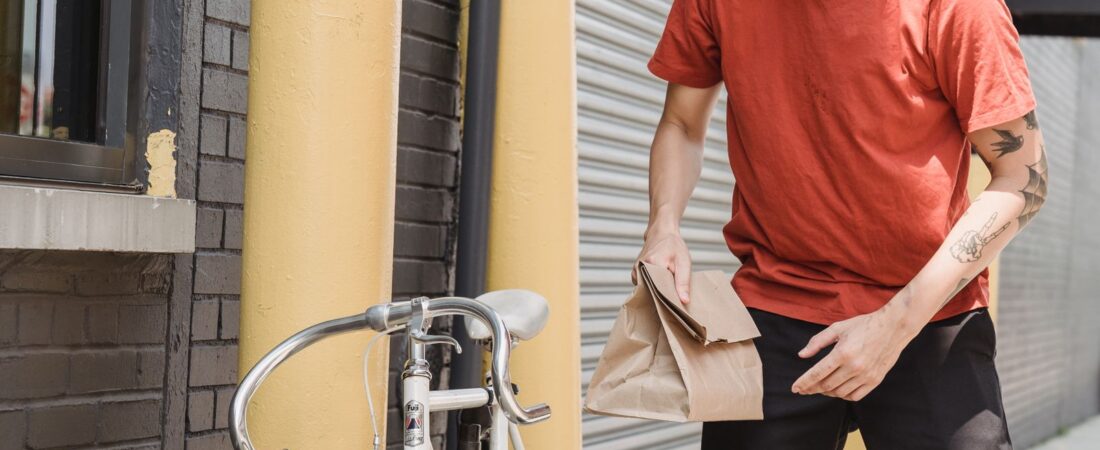

Most delivery drivers think about restaurant bags and Amazon packages. But there’s a parallel universe of specialty courier work where you’re moving a $40,000 oil painting from a Midtown Manhattan gallery to a private collector in Greenwich, Connecticut—and getting paid $30 an hour plus a generous tip for the privilege.
Fine art and museum delivery is the white-glove end of the logistics world. You’re not flinging boxes off a truck. You’re handling crated sculptures, framed canvases wrapped in acid-free tissue, bronze castings bolted to custom pallets, and antique pieces that need to arrive looking exactly as they left. Museums, galleries, auction houses like Christie’s, Sotheby’s, and Bonhams, framing shops, and private collectors all need this work done—and done right.

The gig pays well because the stakes are high. A scratch on a prized canvas or a crack in a sculpture can cost more than your car. That accountability gets priced into the rate. ZipRecruiter data from August 2026 shows art transportation roles listing between $36,000–$60,000 annually for regular hires, but the contractor and per-diem positions—where most gig-minded drivers enter—run $25–$35/hr in major metros. In NYC and New Jersey, box truck art handler/driver positions are posting $28–$30/hr. Over-the-road (OTR) fine art run rates hit $260–$280 per day plus lodging and food per diem.
What Fine Art Delivery Actually Is (and Why Gig Drivers Get Paid More for It)
Unlike food delivery or even furniture and appliance delivery, fine art work commands premium rates because the cargo is irreplaceable. A dining table can be replaced if it’s scratched. A 19th-century oil painting cannot. That asymmetry means clients pay for certainty, and drivers who deliver it consistently build repeat business that gig apps simply can’t replicate.
The work spans several categories:
- Gallery-to-collector moves — picking up sold pieces from galleries and delivering to buyers’ homes or storage
- Museum loan transport — moving works between institutions for traveling exhibitions, often with a museum courier riding along
- Auction house logistics — pre-sale staging moves and post-sale delivery to winning bidders
- Framing shop runs — delivering newly framed pieces to galleries, collectors, or corporate art buyers
- Estate and collector storage moves — relocating private collections to or from climate-controlled art storage facilities
- Installation support — delivering works to a site and assisting with placement as a separately priced service
Where the Work Concentrates
Fine art delivery demand isn’t evenly distributed. It clusters in:
- New York City / tri-state area — the global art market hub; Chelsea galleries alone push hundreds of moves per month
- Los Angeles — auction satellite offices, film industry prop art, Hollywood collector pickups
- Chicago — anchor institutions like the Art Institute, plus a dense gallery district in River North
- Miami — Art Basel Miami Beach in December creates a massive seasonal surge; companies start booking drivers in October
- San Francisco / Bay Area — tech-collector wealth, SFMOMA moves, Silicon Valley estate deliveries
- Dallas, Houston, Seattle — secondary markets with active museum and gallery scenes
Seasonal spikes follow the art calendar: auction seasons (May and November in NYC), Art Basel Miami Beach in early December, and summer museum exhibition changeovers when institutions rotate their permanent collections.
The Companies and Platforms Hiring Fine Art Drivers Right Now
Unlike DoorDash or Uber Eats, you won’t find fine art delivery gigs on a consumer app. This work flows through a different network of specialty logistics companies.
Specialty Art Logistics Companies to Know
U.S.Art (usart.com) is the largest fine art handling company in the world and actively recruits contract art handler/drivers. Their base pay averages $38,711 per year for employed positions, but their contract pools pull gig-style drivers for project work, exhibition setups, and auction house moves. They operate in every major US metro.
Other key names: Atelier 4, Crozier Fine Arts, Artex Fine Art Services, Masterpiece International, and Unipack. These companies handle logistics for Christie’s, Sotheby’s, and major museum loans. Regional operators like Trinity Fine Art in Dallas and certified Navis Pack & Ship locations fill in smaller markets. Also worth checking: GoShare and Dolly occasionally list white-glove moves that include framed artwork as part of larger deliveries.
How to Get on the Approved Contractor Roster
Most art logistics companies don’t post jobs on Indeed. They maintain approved contractor lists and call drivers when volume spikes around auction events or exhibition openings. Here’s how to break in:
- Email the operations manager directly — call the company, ask who handles contract drivers, send a one-page intro with your vehicle type, year, cargo dimensions, and any relevant delivery experience
- Join local art handler Facebook groups — NYC, LA, and Chicago all have active communities where companies post day-labor calls with short lead times
- Get a CITES certificate of awareness if you want to handle antiques containing ivory or wildlife materials, which is required for some auction house work
- Follow auction house calendars — Christie’s, Sotheby’s, and Bonhams publish their sale dates months in advance; companies ramp contractor hiring in the 2–3 weeks before each major sale

Vehicle Requirements and Insurance: What You Actually Need
This is where fine art delivery diverges sharply from food delivery. Your Corolla won’t get you hired here.
The Right Vehicle for Art Runs
The minimum viable vehicle is a cargo van or full-size SUV with a clean, dry cargo area. A Ford Transit, Ram ProMaster, or Mercedes Sprinter will get you the most calls. Pickup trucks are a hard no for most art moves—open beds, weather exposure, and road vibration are deal-breakers for clients and their insurers.
For high-value work, companies look for:
- Temperature-stable interior with no extreme heat buildup or AC leaks
- Clean, padded cargo floor—moving blankets and furniture pads are the baseline
- E-track tie-down system for custom strap configurations around irregular shapes
- Lift gate or loading ramp access for heavy crated sculptures and installation components
If you already run a cargo van, you’re most of the way there. Our complete cargo van setup guide covers anchor points, floor protection, and interior organization that directly applies to fine art work—the same principles protect fragile cargo across specialty niches.
Insurance: The Non-Negotiable Step Before Your First Job
Standard personal auto or rideshare endorsement insurance won’t cut it here. You need:
- Commercial auto insurance — art logistics companies require a Certificate of Insurance (COI) before adding you to their contractor roster
- Cargo/inland marine insurance — ideally $100,000+ in coverage for high-value shipments; some companies carry their own fine art floater policy and add you as an additionally insured driver, so always ask before assuming you’re covered
Our 2026 delivery driver insurance guide walks through how to shop commercial cargo policies without overpaying. Expect to add $100–$200/month to your operating costs, but at $28–$30/hr the math still works cleanly.
The Actual Work: Handling, Crating, and On-Site Protocols
If you’ve done specialty instrument or piano delivery, you already understand the core mindset: slow is fast, white gloves aren’t optional, and you never improvise with a client’s irreplaceable asset. Fine art work takes that discipline and applies it to cargo worth anywhere from $5,000 to $5,000,000.
The Five Handling Rules That Protect You
- Two-person rule — anything over 30 lbs or awkwardly sized gets a two-person carry. No exceptions, even if the client insists it’s fine for one.
- Cotton gloves for framed work — bare hands leave oils and moisture that damage varnish and frames. Keep two dozen pairs in your cab; they run about $8/dozen on Amazon.
- 90-degree rule for canvases — never lay a canvas flat on its face or back. Always transport upright or on edge, face-to-face with padding between pieces.
- Climate buffer time — if a crated piece has been in cold storage, allow 30–60 minutes for the crate to acclimate before opening it in a warm gallery. Condensation inside a sealed crate can destroy works on paper.
- Condition documentation — photograph the piece or crate at pickup and again at delivery, every single time. Museums require this formally; private clients will thank you if a dispute arises weeks later.
Crate Protocols and Museum Loan Runs
Exhibition crates are purpose-built—foam inserts cut to the exact shape of the artwork, lined interiors, and often climate data loggers sealed inside. Your job is to move the crate intact, not to open it. If a crate arrives at your truck with a cracked corner, a forklift nick, or a torn moisture barrier, photograph it immediately and note the damage on the bill of lading (BOL) before signing. A clean signature means you accepted the shipment in good condition. If artwork inside is found damaged later and the external damage isn’t on your BOL, you become the last liable party in the chain of custody.
For museum loan deliveries—works traveling between institutions for a traveling exhibition—you’ll often be accompanied by a courier, a museum registrar who rides with the work and never leaves it unattended. These runs move at the pace of institutional caution, not gig-app efficiency. Build the extra time into your rate negotiation upfront.
Earnings Breakdown: What Fine Art Delivery Actually Pays in 2026
Let’s run the real numbers so you can evaluate this against your current gig stack.
Market Rates by Metro, October 2026
- NYC / NJ (box truck driver): $28–$30/hr over 8–10-hour days = $224–$300 gross daily
- LA / San Francisco (cargo van): $25–$28/hr over 8-hour days = $200–$224 gross daily
- Chicago: $22–$23.50/hr over 8-hour days = $176–$188 gross daily
- OTR multi-day runs: $260–$280/day flat rate plus lodging and food per diem—effectively $300–$340/day all-in
Compare that to a typical multi-app gig delivery day where most drivers net $18–$24/hr after expenses, and art runs look very attractive—especially with zero dead mileage, since you’re paid portal-to-portal rather than per drop.
Stacking Art Work With Your Existing Gig Schedule
The challenge is consistency. Fine art gigs are project-based—you might work three full days of auction prep in November and then have nothing for two weeks. Smart drivers treat art work as a high-rate replacement for slow gig days rather than a primary income stream, at least until they’re on multiple company rosters.
A workable pattern: keep DoorDash or Spark running Monday through Thursday for baseline income, take art gig calls on weekends and around auction events when day rates are highest. Art Basel Miami Beach week (December 4–8, 2026) is the single largest short-window art logistics event in the US—companies in Miami start booking drivers in October and pay premium rates for the full setup and breakdown window. If you’re within driving range of South Florida, mark your calendar now.
For tax purposes, the IRS mileage rate is $0.76/mile in 2026. Track every mile on art runs exactly as you would for food delivery. The 2026 mileage deduction guide covers the documentation format that holds up under audit.
Pitfalls and Liability Traps Every Driver Needs to Avoid
Never Sign a Clean BOL on a Visibly Damaged Shipment
If a crate arrives at your truck with any external damage—cracked corner, forklift nick, torn moisture barrier—photograph it and write the damage on the bill of lading before signing. Once you drive away with a clean BOL, that damage belongs to you legally. Art logistics companies know this rule; any company that pressures you to sign clean on a damaged crate is a red flag.
Don’t Agree to Solo Moves Beyond Your Capacity
Private collectors sometimes say “just carry it yourself, it’s not that heavy.” A 150-lb bronze sculpture that drops on a marble floor chips the marble, scratches the bronze, and potentially blows out your back. No tip is worth a lumbar injury or a six-figure cargo claim. Know your limits and your equipment’s limits before every job.
Clarify Installation Scope Before You Arrive
“Can you just hang it while you’re here?” is the most common scope creep line in gallery work. Installing artwork—drilling into walls, using specialty hanging hardware—is a separate service with its own liability. Some drivers offer it as an add-on at $50–$100 per piece and do it professionally. Others hand the work off at the door and leave. Decide which camp you’re in before you walk in, and communicate it at booking.
Your 30-Day Action Plan to Start Landing Fine Art Runs
Week 1: Research and list every art logistics company operating in your metro. Check usart.com, Crozier Fine Arts, Atelier 4, and local framing-shop networks. Email five of them with your vehicle specs and a one-paragraph intro.
Week 2: Get commercial auto and cargo insurance quotes. Look specifically for policies that include inland marine coverage and list “fine art” as an eligible cargo class. Our driver insurance guide walks through the COI process that art companies require before they’ll add you to their roster.
Week 3: Outfit your van. Minimum kit: 12–18 moving blankets, e-track straps, two dozen pairs of cotton gloves, a two-wheel dolly, and a furniture cart. Budget $300–$500 starting from scratch.
Week 4: Join art handler communities on Facebook or Slack for your city. Follow auction house calendars publicly posted by Christie’s, Sotheby’s, and Bonhams. Mark Art Basel Miami Beach (December 4–8, 2026) on your calendar if you’re in South Florida or willing to travel for a high-rate week of work.
Fine art delivery won’t replace your food delivery income overnight. But it’s one of the cleaner paths to consistently earning $25–$35/hr as an independent contractor with a cargo van, and the repeat client relationships you build with galleries and collectors compound in a way that gig-app algorithms never will.
Ready to Start Delivering and Cash In?
Join thousands of drivers already earning — and get a $2,575 guaranteed bonus after completing your first 200 deliveries in select US cities.
New drivers: Sign up through our partner link and start earning today!
Sign Up for Uber Eats and Start Delivering →
Must be 18+. Background check required. Terms apply.