

If you dread January as a delivery driver, you’re leaving money on the table. While food order volume cools off after the holidays, the package returns wave is just getting started. January is what retail insiders call “Returnuary” — the month when nearly one-in-five online purchases comes back, flooding UPS, FedEx, and USPS drop-off points with boxes from coast to coast. DoorDash and Uber Eats have now built package return pickup directly into their driver apps, turning that post-holiday surge into a real earnings window for drivers who know how to work it. This guide breaks down exactly how both services work, what you actually earn, and how to position yourself to cash in on the 2026 returns wave.
Why “Returnuary” Is the Biggest January Opportunity Most Drivers Ignore
After Black Friday, Cyber Monday, and the December gift-giving rush, millions of Americans start boxing up wrong sizes, duplicate gifts, and buyer’s remorse purchases. The numbers are staggering. The average US ecommerce return rate hit 20.8% in 2026 — roughly one in five items ordered online comes back — according to data from the National Retail Federation and industry analysts. In the six weeks following Christmas 2025 alone, Americans returned $38.4 billion worth of merchandise. Extrapolated across the full year, return-related losses for US online retailers are projected to surpass $247 billion in 2026.
The busiest single week? The first week of January — sometimes called “National Returns Day” — when UPS, FedEx, and USPS collectively process millions of packages in a compressed 24-to-48-hour window. Return volume runs 30 to 50 percent above normal through mid-January, then a second wave rolls in toward month’s end as clearance sale returns follow the gift returns.
For delivery drivers, this timing is significant. Food orders slow sharply after New Year’s as people tighten their budgets and stay home to cook. Package return pickups are the natural fill-in — same app, different order type, real money if you know how to layer them into your shift. The returns wave is the direct sequel to peak delivery season; our holiday peak season driver guide covers how to position yourself well before January even hits.
DoorDash Package Pickup — What Every Dasher Needs to Know
DoorDash has expanded its Package Pickup feature to cover 95% of the US. Here’s how it actually works from behind the wheel.
How the DoorDash Package Return Service Works
A customer opens the DoorDash app and requests a Dasher to come to their address. As the driver, you pick up up to five prepaid, sealed packages — the customer is responsible for having them ready and labeled before you arrive. You drive to the nearest UPS, FedEx, or USPS location, hand them over the counter, and you’re done. The typical run from ping to drop-off takes 15 to 30 minutes depending on traffic and how close the carrier location is to the pickup address.
The customer pays a flat $5 fee (or $3 for DashPass members). That fee goes to DoorDash; you receive your standard base pay for the order. Tips on package returns are rare — customers don’t tip the way they do on food deliveries. Don’t build your hourly math around gratuity for these runs.
What Dashers Actually Earn on Return Pickup Orders
These runs typically pay similar to short food deliveries — expect $4 to $7 base pay per run. The math works best when you play it strategically:
- Batch multiple pickups in one run — DoorDash sometimes clusters return requests the way it groups restaurant orders, so you may collect packages from two addresses and drop at the same carrier in a single trip.
- Use runs to reposition — accept a return pickup when the drop-off point sits near a busy restaurant corridor, so you finish the run already in prime food delivery territory.
- Work the 10am–1pm window — food demand is low during this block and return request volume is high. Use that gap efficiently instead of sitting idle in a parking lot waiting for lunch orders to build.
Uber Eats “Return a Package” — The Full Driver Breakdown
Uber launched its own package return service in October 2023 and has expanded steadily since. As of 2026, it’s live across nearly 5,000 US cities and towns — including Los Angeles, Chicago, Philadelphia, Houston, Dallas, and San Francisco. If you’re already on the Uber Eats driver platform, return pickup requests are already sitting in your queue. You just need to know when to take them.
How Uber’s Package Return Service Works
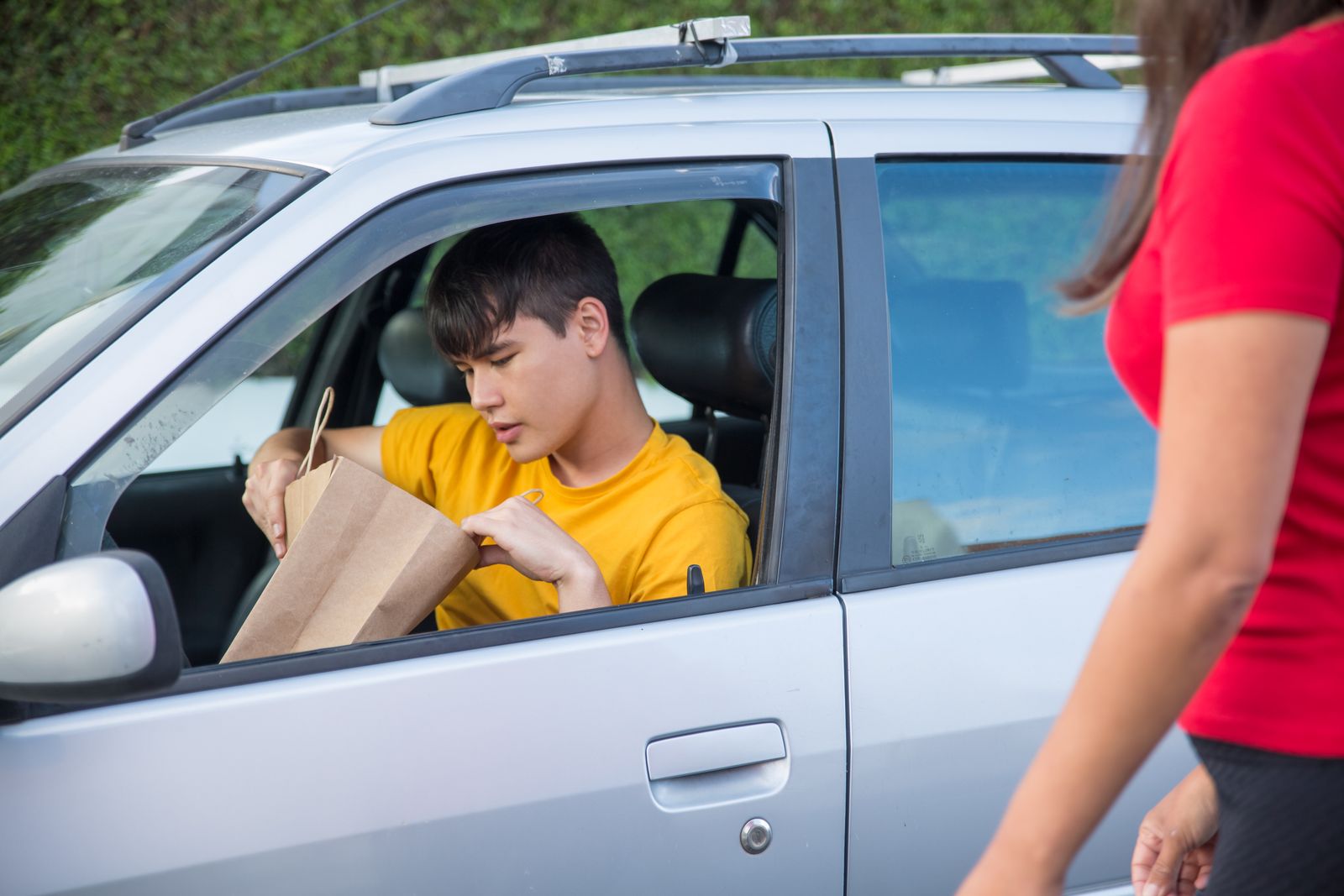
The mechanics mirror DoorDash’s version almost exactly. A customer requests a pickup through the Uber or Uber Eats app. You collect up to five prepaid, sealed packages from their address — each package must weigh under 30 pounds and carry a declared value below $100. You drop them at the nearest UPS, FedEx, or post office, and the customer receives real-time tracking plus photo confirmation at drop-off. No restaurant wait, no parking in a loading zone, no standing around while an order comes up.
The flat fee is $5 for standard customers and $3 for Uber One members. Your driver pay structure matches a standard Uber Eats delivery order.
Tips to Maximize Your Return Pickup Earnings on Uber
- Position near dense residential areas — apartment complexes and suburban subdivisions generate the most return volume. That’s where the January boxes are coming from, and that’s where the app will surface requests first.
- Watch for multi-package runs — if a customer has five boxes ready to go, you’re earning at a solid per-minute rate with zero restaurant downtime baked in. These are some of the cleanest runs in your queue during January.
- Count completions toward your reward tier — return pickups count toward your Uber Pro delivery total, which matters if you’re close to the next tier and the perks that come with it.
- Don’t over-index on returns during food peaks — accept them between rushes, not instead of high-tip food orders. The tip math on food during the dinner window is almost always stronger.
Amazon Flex and the Post-Holiday Returns Surge
Amazon Flex drivers don’t handle customer returns directly — Amazon customers drop items at Kohl’s, Whole Foods, Amazon Lockers, or UPS stores rather than handing them back to Flex drivers at the door. But the January returns wave creates real indirect opportunity for Flex workers that most drivers overlook.
As return volume surges, Amazon ramps up logistics and redistribution blocks — moving returned inventory from Kohl’s collection points, Whole Foods return counters, and locker hubs back to fulfillment centers. These blocks hit the Flex app heavily in early January and pay well. A standard 4-hour logistics block earns $80–$110 in most US metros in 2026, based on Gridwise data from over 11,000 tracked drivers. The returns wave also drives replacement order volume — people return the wrong item and immediately reorder the correct one — meaning more standard delivery blocks appear in the app at better-than-usual rates as demand outpaces available driver supply. In high-competition markets like New York, Los Angeles, and Atlanta, grab your blocks the moment they appear. Popular slots fill within minutes.
For a deeper dive on working Amazon Flex profitably year-round, see our full Amazon Flex driver tips guide.
Stack Return Pickups With Your Regular Delivery Shift
The biggest edge in January isn’t picking one type of delivery and grinding it exclusively — it’s timing your return pickups around your food delivery flow so the two income streams reinforce each other. Here’s a shift structure that holds up in most US markets:
- Morning block (9am–noon): Return request volume is high as customers drop packages off before heading to work or school. Food orders are light. Accept return runs freely to keep your hourly moving in the right direction.
- Lunch window (11:30am–1:30pm): Shift to food. Restaurant orders pick up sharply. Accept food first, returns only as a secondary if the drop-off repositions you well for the next food order.
- Mid-afternoon lull (2pm–4pm): Returns again. This is when the second daily wave of return request volume comes in, and food orders are at their thinnest point. Fill the gap and keep your momentum.
- Dinner rush (5pm–9pm): Stay on food. This is your peak earnings window — tips are up, order frequency is up, and food orders outpay return runs by a clear margin every night of the week.
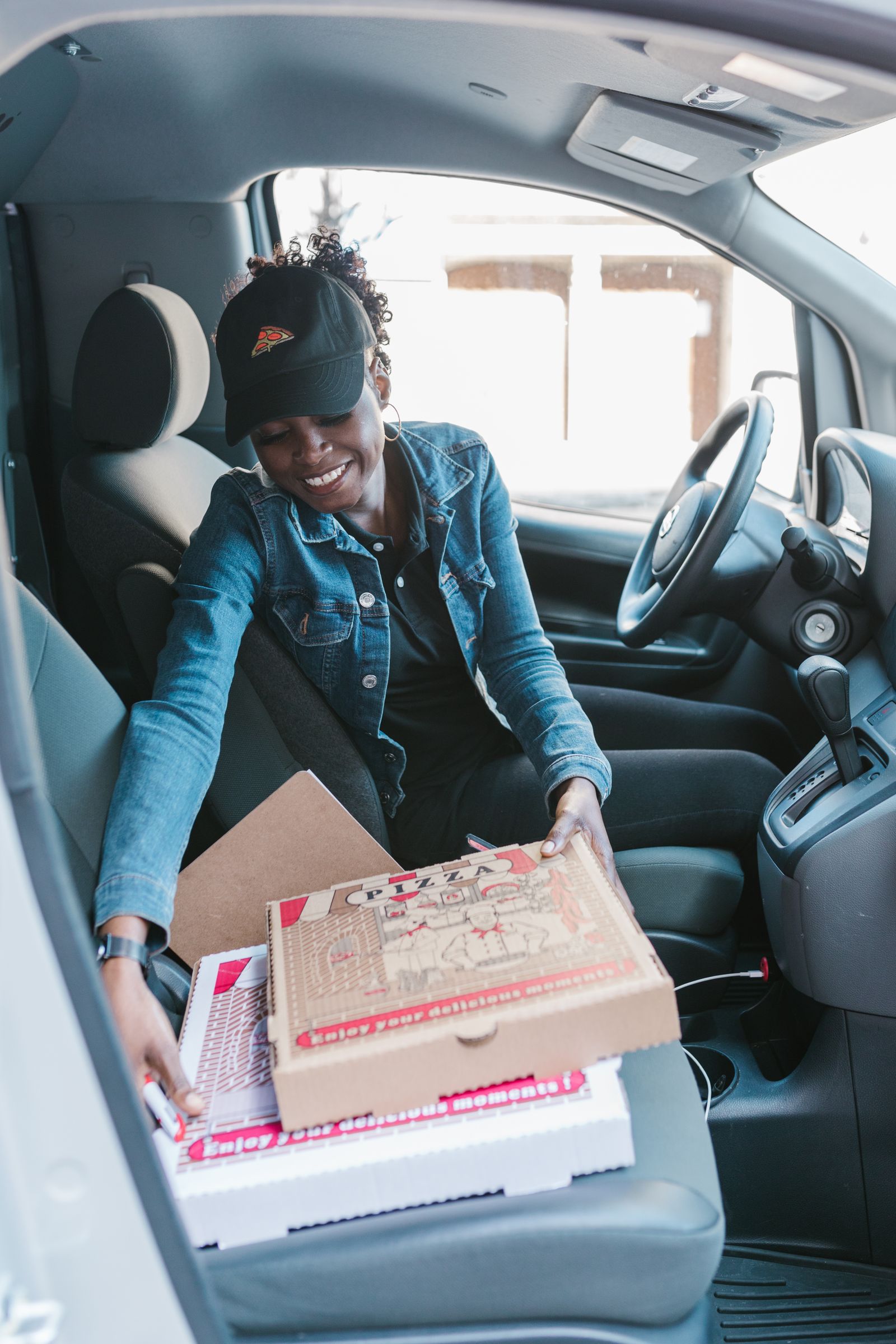
For drivers already running DoorDash and Uber Eats simultaneously, slotting in return requests during the food lulls is a natural extension of that workflow. Our guide on running multiple delivery apps in 2026 covers the mechanics of managing both platforms at once without losing your standing on either. For real earnings data on when and where gig drivers make the most money throughout the year, our 2026 driver earnings tips guide backed by Gridwise data is worth bookmarking now.
Best US Markets and Timing for Package Return Pickups
Not every market generates equal return request volume. The service is heaviest in metros with high e-commerce adoption and dense residential populations. If you drive in any of the following cities, January package returns are worth actively targeting:
- New York City (including Newark and Jersey City)
- Los Angeles / Orange County
- Chicago
- Houston
- Dallas–Fort Worth
- Philadelphia
- Atlanta
- Seattle
- Miami
- Phoenix
Suburban rings around these metros tend to be especially productive — dense neighborhoods where residents ordered heavily in November and December are now boxing everything back up. The 10am to 2pm window on weekdays is peak return request time throughout January. Set your app availability intentionally during this block rather than leaving it to chance.
Watch for two distinct demand peaks within the month: the first week of January (post-Christmas gift returns, with a concentrated spike in the first 48 hours) and the third week of January (clearance sale returns from early January deals). Both are real earnings windows if you’re available and in the right zones when they hit.
What to Watch Out For Before You Go All-In
Package return pickups are a legitimate January earnings opportunity, but there are real gotchas worth understanding before you start chasing them heavily:
- Tips are rare. Unlike food delivery where a $3–$6 tip is routine, return customers almost never add gratuity. Plan your hourly math without it factored in — if a tip does come through, treat it as a bonus.
- Packages must already be labeled and sealed. You are not a shipping counter. If the customer doesn’t have their prepaid return label printed and attached when you arrive, the package can’t go — and waiting burns time you’re not being paid for. If the customer isn’t ready, follow the app’s cancellation process and keep moving.
- Carrier distance matters more than you think. If the nearest UPS or FedEx drop-off is 15 or more minutes out of your way, the $4–$7 base pay math gets thin fast. Know where the carrier drop points are in your zones before you start accepting return requests.
- Volume is neighborhood-dependent. High-density residential areas generate strong request flow. Sparse suburban zones or rural areas may see almost no return traffic at all. If requests aren’t showing up in your queue, your area may not have the demand density to make this strategy worthwhile.
- These are gap-fillers, not your primary earner. The play is consistent, efficient fill-in between food rushes — not a wholesale replacement for food delivery. A package pickup that repositions you well for a $15 food order is a win. A return run that takes you 20 minutes away from your food zone is not.
January rewards drivers who piece together multiple income streams. Package returns, food deliveries, Flex blocks, and grocery orders can all run in parallel depending on your market and which apps you’re active on. For a full picture of how to work grocery delivery alongside the rest during the slow-season stretch, check our Instacart shopper guide for 2026.
Ready to Start Delivering and Cash In?
Join thousands of drivers already earning — and get a $2,575 guaranteed bonus after completing your first 200 deliveries in select US cities.
New drivers: Sign up through our partner link and start earning today!
Sign Up for Uber Eats and Start Delivering →
Must be 18+. Background check required. Terms apply.