
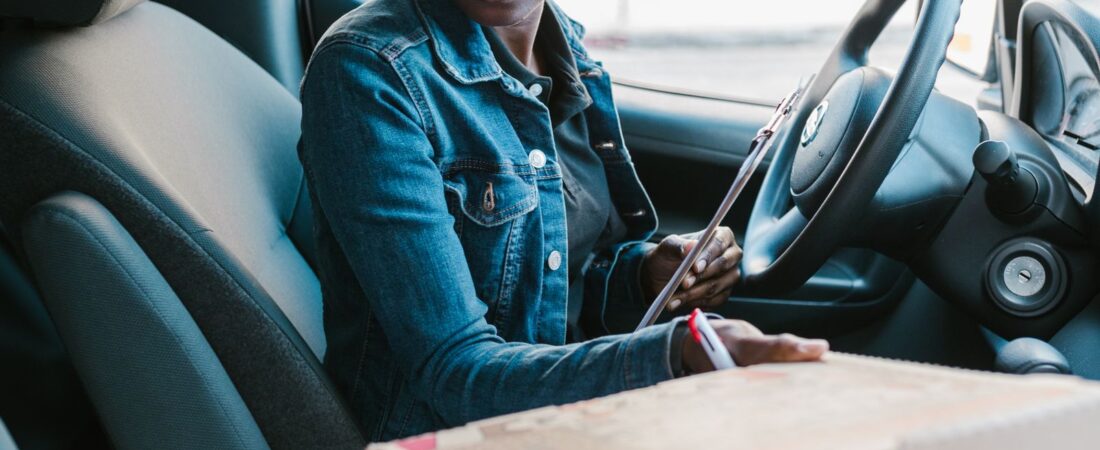

Road Rage Survival Guide for Delivery Drivers in 2026
You’re eight hours into a double-app shift, you’re running late on a stacked order, some guy in a lifted truck just cut you off, flipped you off, and now he’s brake-checking you on the freeway. Welcome to the reality of driving for a living. Road rage isn’t a rare problem for delivery drivers — it’s a daily occupational hazard. You spend more hours on the road than almost anyone, you drive in unfamiliar neighborhoods, and you’re always racing a countdown timer. That combination makes you a magnet for aggressive drivers and, honestly, sometimes the source of your own frustration.
This guide is the 2026 playbook for handling road rage as a delivery driver: how to avoid triggering it, how to de-escalate when someone loses it on you, what to do if you’re being followed, and how to protect yourself legally and financially when things go sideways. No lecture, just driver-to-driver advice that keeps you safe and keeps your income intact.
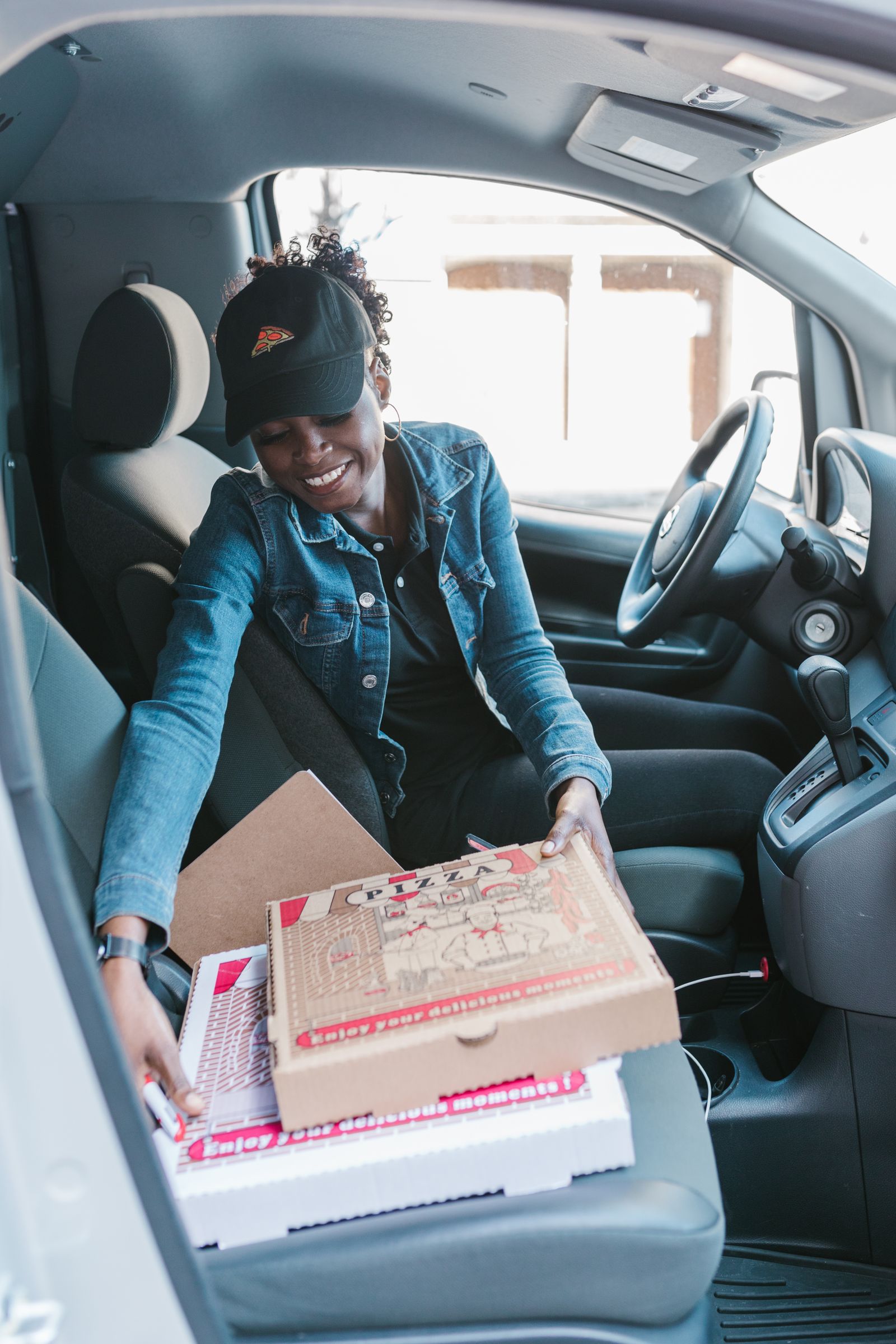
Why Road Rage Hits Delivery Drivers Harder Than Everyone Else
The stats are sobering. According to the AAA Foundation for Traffic Safety, aggressive driving is a factor in roughly 54% of all fatal motor vehicle crashes in the United States. And this isn’t a small slice of angry outliers: nearly 8 in 10 US drivers admit to significant anger, aggression, or road rage behind the wheel at least once in the past year. Everytown for Gun Safety reports that road rage shootings in the US have roughly doubled since 2018, with hundreds of people shot or killed in road rage incidents every year.
Now layer on the delivery driver reality. A 2026 emotional driving report from ZipDo found that 78% of emotional driving incidents are triggered by road rage from other drivers — and you are on the road during the worst hours for it. The dinner rush in Houston, the 5 p.m. crawl out of downtown Austin, the I-10 nightmare in Phoenix: these are where frustrated commuters vent, and you’re the one in their way. Add tight delivery deadlines, double orders, and unfamiliar streets, and you’re both a target and a ticking time bomb if you let the stress get to you. News reports from early 2026 (including WRAL’s April coverage) warn that road rage incidents are on the rise, with aggressive driving escalating into cursing, obscene gestures, throwing objects, ramming, sideswiping, and forcing drivers off the road.
How to Avoid Triggering Road Rage in the First Place
The best road rage encounter is the one that never happens. AAA’s advice is simple: “choose time over tension.” Leaving yourself breathing room — not stacking orders so tight that you speed, and building in 5-10 minutes of buffer for traffic — does more for your safety than any defensive driving course. When you’re not stressed, you drive predictably, and predictable drivers rarely get rage-targeted.
Drive Like Everyone Is Watching (Because They Are)
- Use your turn signals on every single lane change. A sudden merge without a blinker is the single most common trigger for aggressive reactions, especially in cities like Los Angeles and Miami where lane changes are constant.
- Don’t camp in the left lane. Even if you’re doing the speed limit, a faster driver behind you will rage. Move over and let them pass. It costs you two seconds.
- Never brake-check. If someone tailgates you, slow down gradually and let them go around. Brake-checking is how road rage incidents escalate into crashes and shootings.
- Don’t block intersections or box other drivers in. In downtown Chicago and Atlanta, a delivery driver blocking a turn lane while reading a building number is a classic rage trigger. Pull into a loading zone or park legally and walk the last 50 feet.
- Be extra patient at restaurant pickup and drop-off zones. You’ll deal with angry drivers more calmly if you’re not part of the cluster blocking the street.
Planning your route ahead of time also keeps you out of rage territory. If you know your route and your parking plan before you leave, you’re not the hesitant driver weaving between lanes trying to read house numbers. Pair this with smart scheduling — check out our traffic avoidance guide to keep yourself out of the worst congestion in the first place.
De-Escalation: What to Do When a Driver Loses It on You
Sometimes it happens anyway. A driver swerves at you, tailgates, honks nonstop, or pulls alongside screaming. Here’s the de-escalation playbook that keeps you safe:
- Don’t make eye contact. Aggressive drivers read eye contact as a challenge. Keep your eyes on the road ahead.
- Don’t gesture back. Ever. Not even the “what’s your problem” hands-up shrug. Any gesture can be the spark. Everytown’s data shows road rage shootings often start with a gesture or a shouted word.
- Apologize and wave — even when you’re right. A quick “sorry” wave costs you nothing and defuses 9 out of 10 situations. Your ego isn’t worth a bullet or a wreck.
- Let them pass. Slow down, move over, give them the lane, and let them disappear. If they want to fly past you at 90 mph, that’s their ticket to deal with.
- Take the next exit or turn. If they stay behind you or pull alongside again, don’t continue on their path. Turn off, let them go, and reroute. Losing two minutes beats losing your life.
Remember the 78% stat: most road rage is triggered by other drivers’ behavior — not yours. You cannot control what other people do on the road, but you can control how you respond. The most professional move in delivery driving is knowing when to back down. It’s also a ratings move — staying calm keeps your customer interactions professional too, which protects your driver rating in the long run.
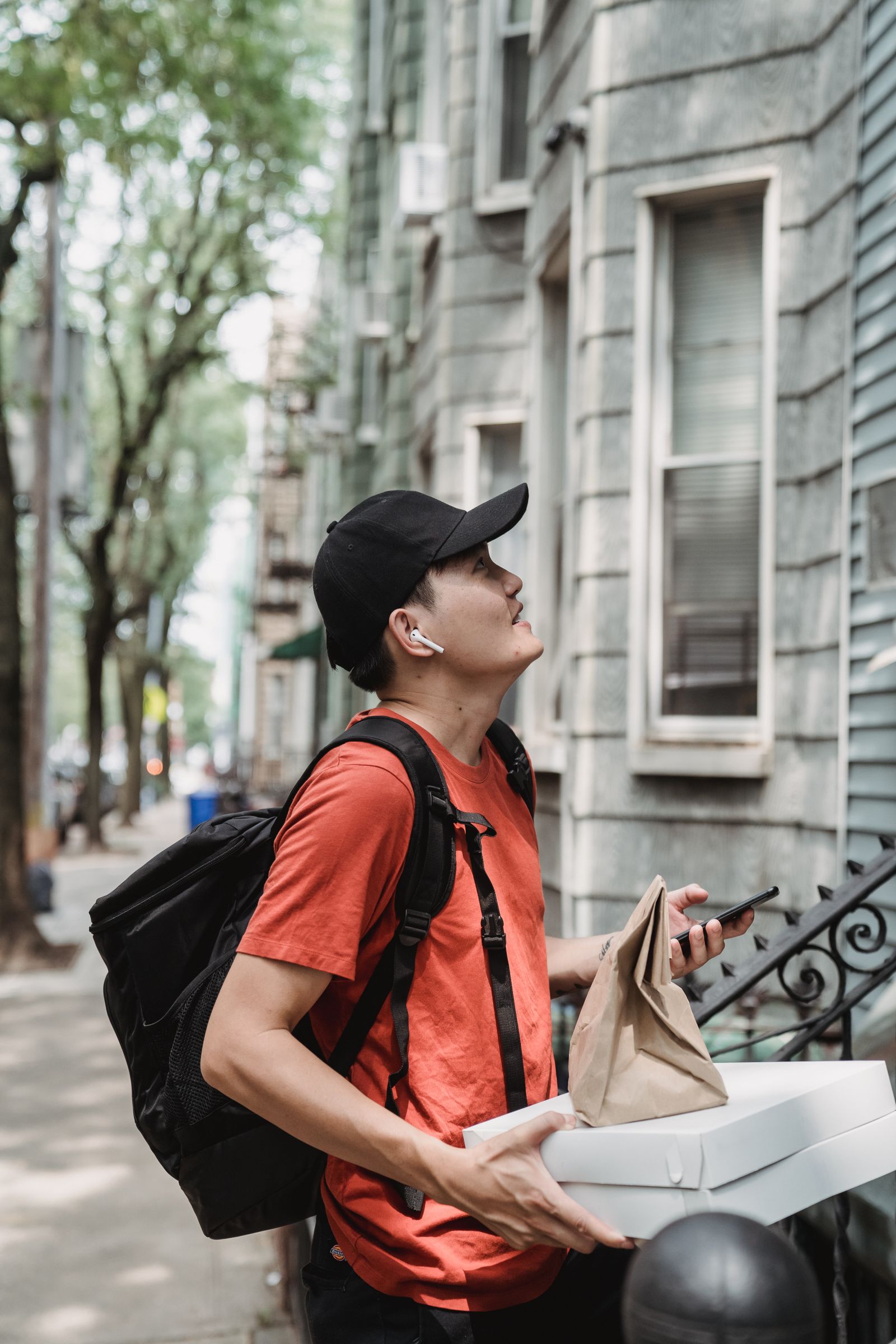
When You’re Being Followed: Your Escape Plan
This is the one that scares every delivery driver, and it’s the situation you need a plan for before it happens. If you believe an aggressive driver is following you:
- Do NOT drive home. This is the critical rule. Never lead a raging stranger to your house, your family, or your parked car with your address on it.
- Drive to a police station, fire station, or a busy, well-lit public area. A 24-hour gas station or a packed Walmart parking lot works. Rage drivers almost always back off when you pull into a place full of witnesses and cameras.
- Call 911 while you drive. Tell the dispatcher you’re being followed, your location, and your direction of travel. If you can safely give them the other car’s license plate, do it. Do not stop moving until you’re in a safe location.
- If they ram or block you, keep your doors locked and your windows up. Stay in the car. In a parking lot, keep circling or maneuvering slowly rather than getting out to confront them.
- Never get out of your car to “handle” it. Every road rage fatality story starts with someone exiting the vehicle. Your food, your car, your bonus — none of it is worth stepping out into that situation.
Night shift drivers face higher odds of this scenario. If you mostly work after dark, our night shift safety guide covers the full checklist, and the robbery prevention guide has extra tips for staying safe in high-risk areas.
Dash Cams, Police Reports, and the Legal Side of Road Rage
Here’s the truth about the legal side: aggressive driving is a traffic violation, but road rage behaviors that go beyond gesturing and shouting — throwing objects, ramming, sideswiping, forcing a driver off the road — are criminal offenses in most states. If someone escalates to that level, you have a right and a responsibility to report it.
Call the non-emergency police line (or 911 if you’re in immediate danger) and give them: the other vehicle’s license plate, make, model, and color, your location and direction, and a description of the driver’s behavior. Police in cities like Dallas, Denver, and Nashville have stepped up road rage enforcement in 2026, and dash cam footage is frequently the difference between a “he said, she said” and a conviction.
If you don’t have a dash cam yet, this is your sign. A good front-and-rear camera is under $100 and it’s the only witness that never blinks. We’ve tested the best ones — see our complete dash cam buyer’s guide for 2026 recommendations. In an incident, the footage protects you in three ways: it proves the other driver was the aggressor, it helps your insurance claim, and it gives police the evidence to actually ticket or arrest them.
Also worth keeping in your car: the basics to survive a roadside situation while you wait for police. Our emergency kit guide lists exactly what to carry so a broken-down roadside moment never turns into a dangerous one.
When a Road Rage Incident Becomes a Crash
If an aggressive driver actually hits you — or forces you into a collision — the accident playbook takes over, with road rage added on top:
- Call 911 immediately. Report both the crash and the aggressive behavior that caused it. The police report should document the road rage element.
- Don’t chase them. If they flee the scene, stay put, call 911, and give them the plate and description. Chasing turns you into the aggressor.
- Stay in your car until police arrive if you feel threatened. Locked doors and a running dash cam are your safest position.
- Document everything. Photos of both cars, the damage, the location, and any witnesses. Note the time, the road, and what the other driver did.
- Exchange insurance info only when it’s safe — if the other driver is still raging, skip the small talk and let the police handle the exchange.
Your full step-by-step for the aftermath — insurance calls, repair timelines, protecting your payout — is in our delivery driver accident guide. Read it once, before you need it.
The Mental Reset: Protecting Your Shift and Your Mood
Here’s the part nobody talks about: a road rage encounter can wreck your whole shift even when nothing physical happens. Your heart is pounding, your hands are shaking, and now you have to hand a customer their food with a smile. That adrenaline dump makes you drive worse, make mistakes, and get into the next conflict faster.
Reset between deliveries:
- Pull over for 60 seconds. Breathe in for four counts, out for four counts. Sounds silly, works every time.
- Replay what you did right. You didn’t escalate. You didn’t follow them. You handled it like a professional. That’s a win.
- Take a real break. If you’re still fired up after a few minutes, pause your apps and grab food or walk around a gas station for 10 minutes. The apps will still be there.
- Watch your own temperature. If you’re the one who almost snapped — tailgating a slow driver, screaming at a red light — that’s your signal to end the shift early. One bad shift costs less than a deactivation or a crash.
Drivers who treat their own anger as data — “I’m overworked, I need to stop” — last years longer in this game than drivers who push through. The best earners in this industry are the calm ones, and it’s not a coincidence.
The Bottom Line
Road rage in 2026 is worse than it’s ever been, and as a delivery driver you’re on the front lines every single day. You can’t stop other drivers from being angry, but you can stop them from hurting you: drive predictably, de-escalate fast, never lead a follower home, and let your dash cam do the arguing for you. Stay calm, stay safe, and keep earning.
Ready to start earning? Sign up for Uber Eats using my referral code vuccxew to get a boost on your first deliveries.
Ready to Earn More as a Delivery Driver?
Sign up for Uber Eats today and earn a $2,575 guaranteed bonus after completing your first 200 deliveries in select US cities.
New drivers: Sign up through our partner link and start earning right away.
Sign Up for Uber Eats and Start Delivering →
Must be 21+. Background check required. Terms apply.