


If you’ve been grinding on DoorDash or Uber Eats and keep hearing other drivers rave about Walmart Spark, here’s the truth: the hype is mostly real — but only if you know how to work it. Spark doesn’t operate like the food delivery apps you’re used to. The pay structure, the order selection, and the strategy that actually works are completely different. Get it wrong and you’ll be logging 50 miles for $30. Get it right and $25–$35 per hour is genuinely within reach.
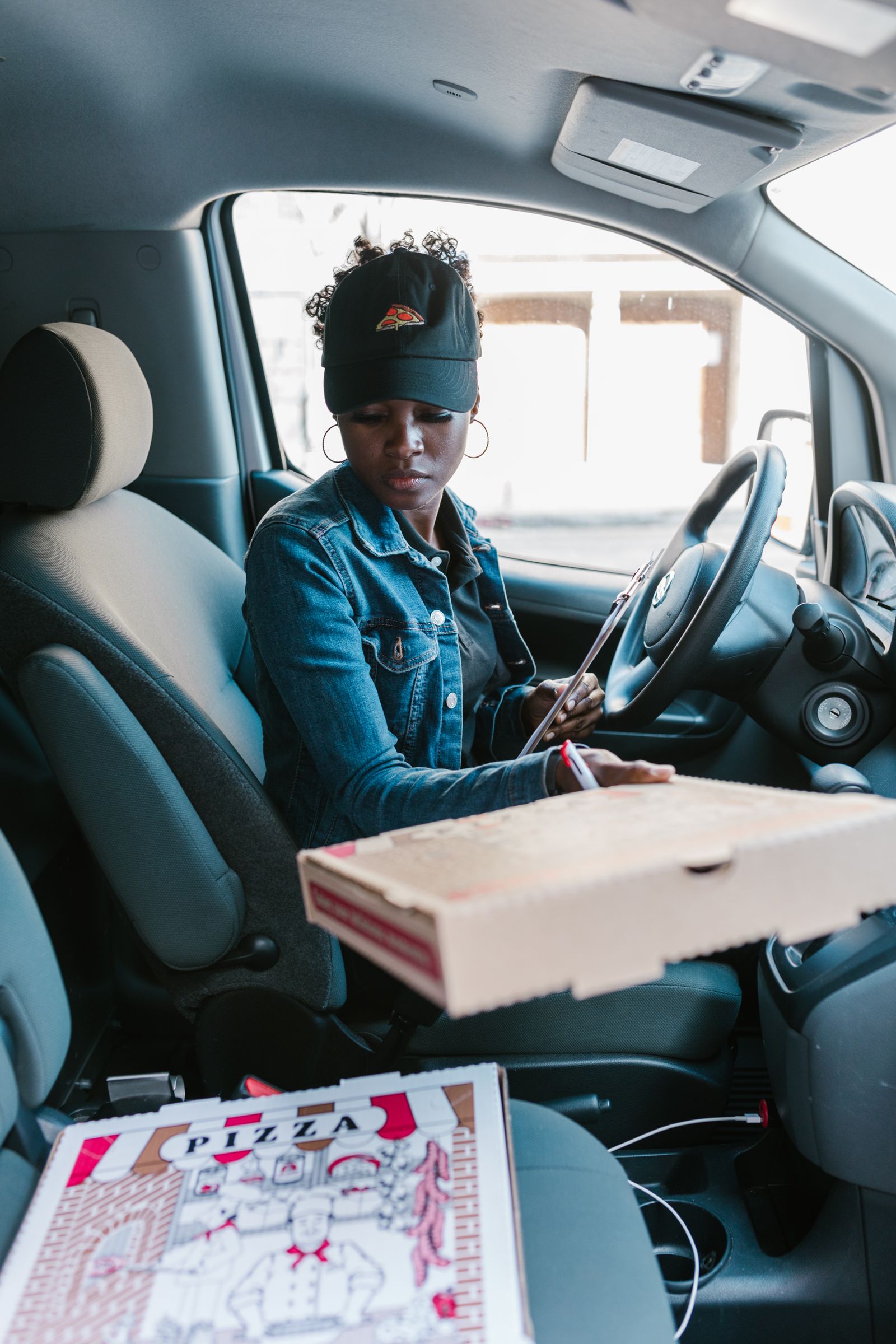
This guide is written driver-to-driver — no fluff, no sponsored takes, just the stuff that actually moves your earnings. We’ll cover real 2026 pay data, the order-selection math that top Spark earners rely on, how to layer other apps on top, the tax savings most drivers miss, and the brand-new legal protections that went into effect this year that every gig driver needs to know about.
What Walmart Spark Actually Pays in 2026 (The Real Numbers)
Let’s start with the data. According to tracking from over 500,000 Spark drivers, the median hourly rate in 2026 is $21.74 per hour — compared to $14.07 for Uber Eats, $12.21 for Instacart, and $11.26 for DoorDash. That’s not a rounding error. Spark genuinely pays more per hour on average than any other major delivery platform in the United States right now.
But averages can mislead if you don’t look at the full picture. Here’s what real earnings look like by experience level.
Beginner Spark Driver Earnings
When you first join Spark, expect $15–$20 per hour while you’re figuring out order selection and your local market. Your first few weeks are essentially paid training. You’re learning which stores have fast pickup lanes, which neighborhoods tip well, and which order categories (grocery, household, pharmacy) move fastest in your area.
Per-delivery pay typically runs $7–$14 base, plus $3–$8 in customer tips. During peak windows you might see Peak Pay bonuses stacking another $2–$8 on top. A solid beginner order looks like: $9 base + $5 tip + $3 peak bonus = $17 for a 20-minute run. That’s a good order. A bad order looks like: $7 base + $0 tip, 12 miles one-way — you just paid to work.
Experienced Driver Earnings (Year 1 and Beyond)
Once you’ve dialed in your strategy, $20–$28 per hour is realistic. Top performers in high-demand suburban markets — especially those who hit Tier 2 status and master batch orders — regularly report $30–$40 per hour during Saturday peak windows. Those drivers aren’t just lucky. They’re running a specific system. Let’s break it down.
The $2.50-Per-Mile Rule That Separates Top Earners from Everyone Else
Here’s the single most important thing you can learn as a Spark driver: the dollar amount on an offer does not tell you whether to accept it. The profit-per-mile calculation does.
Before you tap accept on any Spark offer, run this quick math:
- Total payout (base + visible tip) ÷ total miles (round trip to store + to customer) = profit per mile
The threshold most experienced drivers use is $2.50–$3.50 per mile. If an offer doesn’t clear that floor, decline it. No exceptions until you’re very comfortable with your market and have Tier 2 status protecting your standing.
Why does this matter so much? Because your car is your business, and every mile has a real cost. The IRS 2026 standard mileage rate is $0.76 per mile, which reflects actual operating costs — gas, depreciation, oil changes, tires. A $15 offer that requires 10 miles of driving only nets you $7.40 in real profit after vehicle costs. That same $15 offer on a 4-mile run nets you $11.96. Same payout, completely different business outcome.
New Spark drivers obsess over the dollar amount on the offer screen. Experienced drivers obsess over the rate per mile. Make that mental shift early and you’ll skip months of frustrating low-profit runs that leave you wondering why Spark isn’t working for you.
Peak Windows: When to Drive and When to Stay Home
Timing on Spark matters more than on almost any other platform because Walmart’s order volume is directly tied to when their app gets the most shopping traffic. The two windows that consistently produce the best earnings in 2026 are:
- Morning: 8 AM – 11 AM — Customers placing same-day grocery orders before the day heats up. Spark is often stacked with batch orders during this window, especially on weekdays. Batch orders (multiple items for the same store trip) are where the real hourly efficiency lives.
- Evening: 4 PM – 7 PM — The dinner and household rush. This is where you’ll see the most Peak Pay bonuses and the highest tip amounts. Families ordering dinner ingredients tend to tip more generously than the morning crowd.
Saturday morning is the single highest-earning window most experienced Spark drivers report. If you can only carve out one premium block per week, make it Saturday 9 AM – 1 PM near a busy Walmart Supercenter in a suburban area. The order density and average payout during that window consistently beats any other time slot.
Avoid midday Tuesday through Thursday if you’re trying to maximize your hourly rate. Order volume drops, competition among drivers stays the same, and you’ll spend more time sitting than delivering. That idle time is the profit killer most beginners don’t account for when they evaluate whether Spark is worth it.
How to Stack Spark with DoorDash or Uber Eats
Here’s where Spark drivers who really understand the game start hitting $1,000-plus weeks: multi-apping. Spark is your anchor platform because it pays the best per hour — but there will always be gaps between Spark orders where you’re just sitting in a parking lot. That’s money being left on the table.

If you haven’t read our full guide on how to multi-app as a delivery driver in 2026, start there. The framework applies directly to Spark. Here’s the Spark-specific version.
The Spark-First Strategy
Run Spark as your primary. When a Spark offer comes in that clears your $2.50 per mile floor, take it. Between Spark orders — or when you’re waiting for a batch at the store’s pickup zone — have DoorDash or Uber Eats running in the background. You’re not abandoning Spark; you’re filling dead time with paid work.
The critical rule: never accept a secondary app order that would force you to miss a Spark offer or damage your Spark completion metrics. Your Spark standing matters more because Spark pays more. Treat DoorDash and Uber Eats as supplemental income, not equal partners. The moment you start managing Spark around the other apps instead of the other way around, your hourly rate drops fast.
Best App Combos for Spark Drivers
- Spark + DoorDash: The most popular pairing. Highest order volume on the food side, visible tips, similar offer structure to Spark. Easiest to balance mentally. Drivers running this combo consistently report $700–$1,000 per week.
- Spark + Uber Eats: Uber hides tips before acceptance, which makes cherry-picking harder, but the platform has strong demand in urban areas and adds rideshare as an option (see the CTA below). Good complement if you’re in a city where suburban Spark demand is lower.
- Spark + Instacart: Both are grocery-adjacent, which means similar driving patterns. But Instacart’s median pay is $12.21 per hour versus Spark’s $21.74, so treat Instacart as a last resort during Spark dead periods, not a real competitor.
For a straight comparison of what these platforms actually pay per hour and per mile using real driver data, check out our full breakdown of the best delivery gig apps ranked by pay in 2026. The numbers will confirm why Spark belongs at the top of your stack.
Spark Tax Strategy in 2026: Keep More of What You Earn
This is the part most Spark drivers don’t talk about enough, and it’s genuinely the difference between a decent income and a great one. As an independent contractor you pay 15.3% self-employment tax on your net earnings. If you’re not tracking your deductions aggressively, you’re donating money to the IRS that you legally do not owe.
The IRS Mileage Rate Is Your Biggest Weapon
The IRS 2026 standard mileage deduction is $0.76 per mile (updated July 1, 2026). Every business mile you drive — to the store, to the customer, between deliveries within the same shift — is deductible at that rate.
Here’s what that looks like at scale: if you’re logging 150 business miles per day and working 5 days a week, that’s 750 miles per week and roughly 39,000 miles per year. At $0.76 per mile, that’s a $29,640 tax deduction. If you’re in the 22% federal bracket, that’s approximately $6,500 staying in your pocket instead of going to the IRS. That is not a hypothetical. That is real money you are entitled to.
Use an automatic mileage tracking app and run it every shift without exception. Doing this manually is error-prone and you will miss miles. Most paid mileage apps pay for themselves within a week of deductions captured.
Other Deductions Spark Drivers Commonly Miss
- Phone and data plan: The portion used for work — typically 50–80% — is deductible
- Insulated delivery bags and coolers: Fully deductible as work equipment
- Parking fees and tolls: 100% deductible when incurred during deliveries
- Car washes: Deductible when cleanliness is required for your work vehicle
- Health insurance premiums: If you’re self-employed with no employer plan, these reduce your gross income directly
Set aside 20–25% of every Spark payout for taxes and pay quarterly estimated taxes in April, June, September, and January to avoid underpayment penalties. For a deeper look at how these deductions apply across grocery delivery platforms — including whether to use the mileage method versus actual vehicle expenses — the financial fundamentals in our Instacart shopper guide for 2026 cover the same math that applies directly to Spark drivers.
Deactivation Protections: Know Your Rights in 2026
This is brand new and every gig driver needs to know it. Several cities and states passed legislation in 2026 specifically protecting gig workers from arbitrary platform deactivations — and the trend is accelerating.
Seattle now requires Spark and other app-based delivery companies to provide a valid documented reason before deactivating a driver and to offer a formal appeals process. New York City implemented sweeping gig worker protections on January 26, 2026, including guaranteed minimum hourly pay and new rules that prevent platforms from removing workers without cause or recourse.
Even if you’re not in those cities right now, this legal trend is spreading to additional markets throughout 2026 and into 2027. What it means practically: if you get a deactivation notice without a clear stated reason, you may now have legal grounds to challenge it. Don’t just accept a deactivation email as final. Know your local laws, keep records of your work history, and use any appeals process you’re entitled to.
The best protection against deactivation remains a strong completion rate and high customer ratings. Walmart Spark monitors customer satisfaction closely. Communicate proactively about substitutions, handle multi-item orders carefully, and confirm delivery with photos every time. One bad week of ratings can take months to repair — don’t risk it chasing a marginal order.
Is Spark Right for You? An Honest Assessment
Spark is the highest-paying delivery platform in the U.S. right now, but it’s not the right fit for every driver in every market. Here’s the honest breakdown.
Spark is ideal if you:
- Live within 10–15 minutes of a busy Walmart Supercenter
- Can work the peak windows, especially Saturday morning
- Drive a fuel-efficient vehicle and track your costs seriously
- Are comfortable with grocery and household item handling
- Want a high-paying anchor platform to build a multi-app strategy around
Spark may not be your best primary if you:
- Live in a dense urban core far from Walmart locations
- Can only work odd midweek hours when Spark demand is low
- Are in a market where Spark is already oversaturated with drivers and offer quality has dropped
- Prefer the simplicity of single-restaurant food pickup and drop
The only way to know your market for certain is to sign up, test it for two to three weeks, track every hour and every payout honestly, and compare your real Spark earnings to what you’re currently making. Use the profit-per-mile calculation from day one so you have clean data to evaluate.
Start Stacking Your Earnings This Week
If Spark sounds like the right anchor platform for your operation, get signed up and start building your market knowledge. The faster you accumulate hours and customer feedback, the faster you unlock Tier 2 status and access to the best batch orders.
If you’re also looking to add rideshare to your multi-app mix — which is one of the best ways to monetize dead time between Spark orders in the evenings — Uber is running driver sign-up incentives right now, and you can lock in a guaranteed earnings bonus during your first weeks on the platform.
Stack Uber Eats with Your Spark Operation
New drivers in select cities can earn up to $2,575 after completing their first deliveries. Turn Spark downtime into paid miles with Uber rideshare and Uber Eats.
Start Earning with Uber Eats →
Must be 21+. Background check required. Terms apply.
Running Uber rideshare during Spark downtime, particularly weekday evenings and late nights when food and ride demand peaks, is one of the cleanest income-stacking strategies available to gig drivers in 2026. Many drivers report that adding Uber to an existing Spark operation pushes weekly earnings from $800 to $1,200 or more without meaningfully longer hours — because you’re converting idle time into paid time.
The gig economy in 2026 has more data, more tools, and more driver-friendly information than at any point in its history. The drivers clearing $30 per hour are not working harder than the drivers clearing $15 per hour. They’re working with better information and a tighter system. You now have both. Go get the money.