
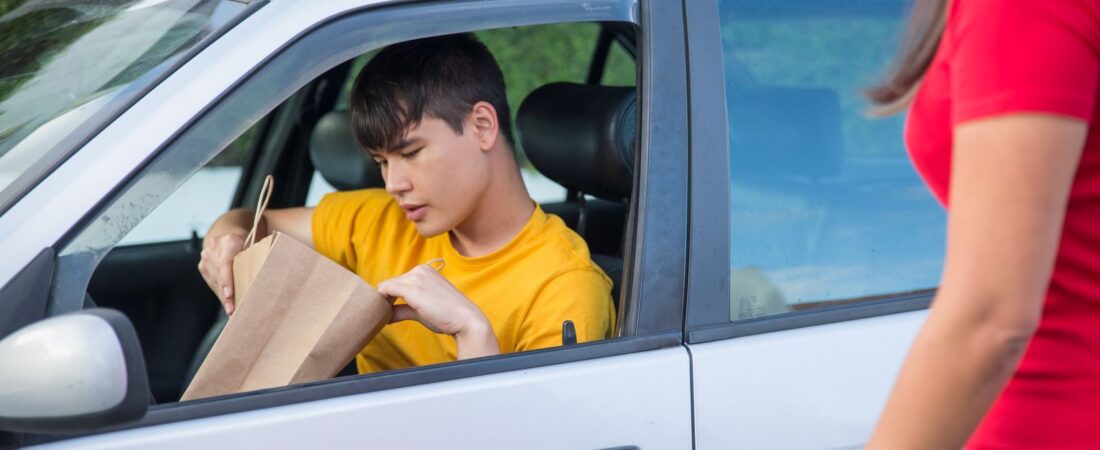

Women Delivery Drivers: The 2026 Safety Guide Every Female Gig Driver Needs
More women are delivering for DoorDash, Uber Eats, Instacart, Spark, and Amazon Flex than ever before, and for good reason: the money is real, the schedule is flexible, and you are your own boss. But every woman who has ever pulled up to an unfamiliar house at 10 p.m. knows the honest question underneath all of that: is it safe?
The answer is yes, with the right setup. The women who deliver safely for years do not rely on luck. They use the safety features the apps already built, carry the right tools, plan their shifts smart, and trust their gut every single time. This guide is the 2026 playbook for staying safe as a woman delivery driver, built driver-to-driver.
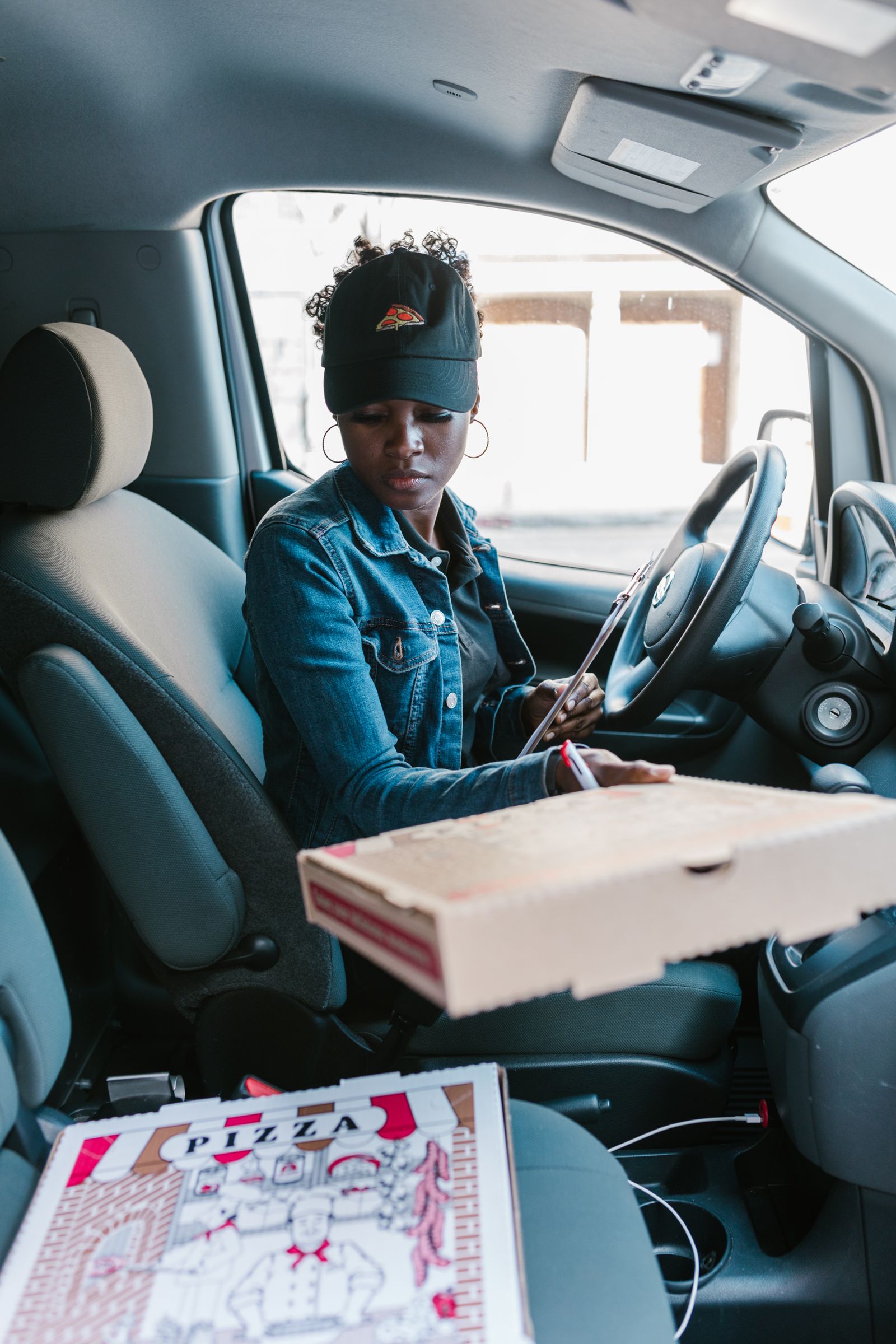
The Safety Features Your Apps Already Have (Use All of Them)
Every major delivery app has quietly built a real safety toolkit, and most drivers never touch half of it. Turn these on before your next shift:
- SafeDash location sharing (DoorDash): share your live location with trusted contacts while you dash, so someone always knows where you are. It takes one minute to set up and it is the single best free safety feature in the industry.
- In-app emergency assistance (DoorDash, Instacart, Shipt, Grubhub): most apps now connect you to emergency services through providers like ADT or RapidSOS with one tap. Know where that button is on your screen before you need it.
- SafeChat+ (DoorDash): this AI tool scans customer-driver messages for harassment and abuse, reviewing more than 1,400 messages a minute across dozens of languages. If a customer gets creepy in chat, it is flagged. Use the in-app chat instead of texting with customers directly, always.
- Uber Eats safety toolkit: share your trip status with a trusted contact and hit the in-app 911 button if anything feels wrong.
- Masked numbers: never give out your real phone number. The apps route calls and texts through masked numbers for a reason.
If your app has a safety center or training videos, watch them once. They are short, and they show you exactly where the emergency tools live in your version of the app.
Night Shifts: When to Take Them and How to Stay Safer
Night shifts pay the best, and plenty of women run them successfully. The difference between a safe night and a bad one is mostly in the planning you do before you accept the first order.
- Start with daytime and sunset shifts. Learn your market, the neighborhoods, and the apartment complexes in daylight first. Build up to late nights once you know your zone.
- Learn which zones to decline. Every market has a handful of areas where orders sit forever because drivers refuse them. Trust the collective wisdom: if other drivers will not go there at night, you should not either.
- Tell someone your plan. Share your SafeDash location or send a friend your expected shift hours. A person who knows your routine is the first line of defense.
- Keep your car visible and well-lit. Park under streetlights at every pickup and drop-off, and never back into a dark corner spot.
- Skip the empty parking lots. If a closed restaurant sends you to a dark, empty lot for a handoff, that is a setup you do not need. Unassign and move on.
Night driving itself has its own rules. Our night shift safety guide covers the full after-dark checklist.
Handling Difficult Customers and Creepy Situations
Most customers are fine. But as a woman, you will occasionally get the customer who tries to push a boundary, and you need a default response ready before it happens.
- Never enter a home. Ever. Every app’s terms say to hand off at the door. “Can you bring it inside?” is a hard no, politely delivered. No exception, no matter how nice they seem.
- Meet in public, well-lit spots when you can. Porch lights on, gate open, dog secured. If something feels off, drop the order at the door, snap your photo, and leave.
- Keep everything in the app. If a customer texts your personal number or asks you to message them off-app, do not engage. Screenshot it and report it.
- Trust your gut over your completion rate. Your rating recovers. Your safety does not. Unassigning from a bad-feeling delivery costs a few points and buys you peace of mind.
- Report harassment the same day. Use the in-app report tool and follow up with driver support. Platforms act on documented patterns, especially with SafeChat+ flagging abusive messages automatically.
De-escalation and boundary-setting are skills like any other. The more you practice the polite no, the easier it gets.
Self-Defense and Personal Protection That Actually Works
Here is the honest part: the best self-defense is not fighting. It is awareness, distance, and loudness. But carrying the right tools changes how confident you feel, and confidence changes everything.
- Pepper spray: legal in most states (check yours, and check the size and concentration rules). Keep it on your keychain or in your pocket, not buried in your bag. Know how to deploy it one-handed.
- Personal alarm: a $15 keychain alarm that screams at 120+ decibels draws attention fast. Attackers do not want attention. It is legal everywhere.
- Tactical flashlight: a bright 1,000-lumen light in your door hand does double duty: it lights dark walkways and blinds a threat from across a yard.
- Sturdy door-hand posture: hold your keys between your fingers or keep your alarm hand free while walking to the door. Small habits, real difference.
- Skip weapons you cannot use. If you are not trained to deploy a knife or a gun under stress, it can be taken from you. For most drivers, spray plus alarm plus light is the right kit.
For the full robbery-prevention and self-defense picture, including what to do if someone tries to follow you or block your car, read our robbery prevention and self-defense guide.
Dashcams and the Tech Setup That Protects You
A dashcam is not just for insurance claims. For a woman driver, it is evidence, deterrence, and peace of mind in one device.
- Front and rear cameras: a front cam catches the road; a rear cam catches anyone approaching your car at a stop or a drop-off. Dual-channel cams start around $60 and pay for themselves the first time you need one clip.
- Visible = deterrent: mount it where it is obvious. People act differently when they know they are on camera.
- Body cam option: some women drivers wear a small body cam on a lanyard for handoffs in sketchy areas. It is legal in most states (check two-party consent rules) and it de-escalates almost everything.
- Panic-button apps: Noonlight and Life360 give you a hold-the-button SOS that alerts police and your chosen contacts with your live location. Cheap annual subscription, huge peace of mind.
- Keep your phone charged and your mount secure: a dead phone at 11 p.m. is the most avoidable danger in this job. Charge between orders and keep a backup power bank in the glovebox.
Choosing the right gear matters too. Our dashcam and bodycam guide walks through the best setups for delivery work on any budget.
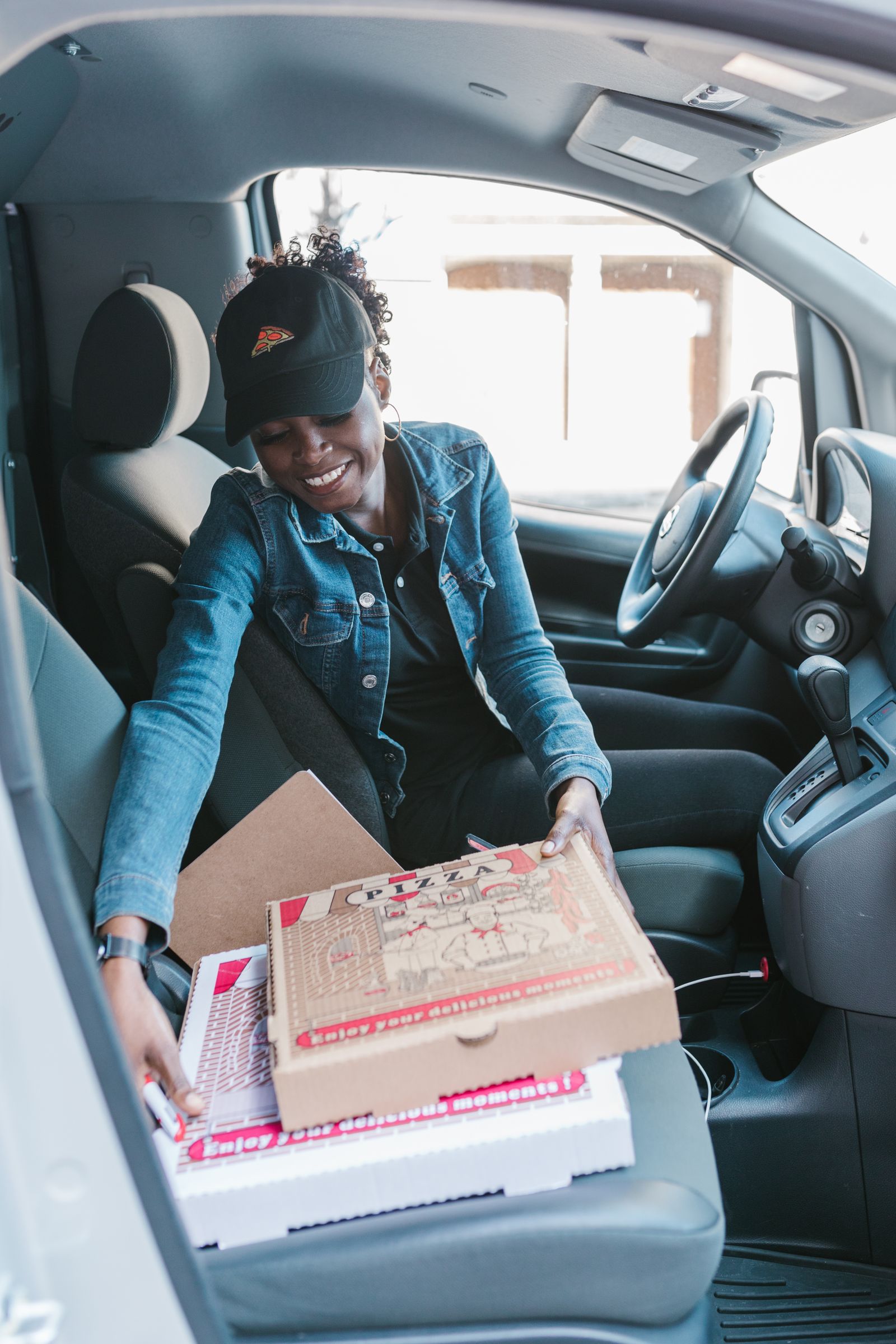
Smart Shift Planning: The Habits That Keep You Out of Trouble
Safety is mostly boring routine, and boring is good. These habits take five minutes and eliminate most of the risk before it ever shows up:
- First shifts in a new market = daytime. Scout your zone, learn the apartment numbering, find the dead-zone neighborhoods.
- Deliver with a buddy in unfamiliar areas. Two cars, same zone, on voice chat. It is a different job with someone watching your back.
- Keep a fuel-and-phone routine: full tank, charged phone, water, and your alarm before every shift. Never let yourself be stranded somewhere dark because of a planning miss.
- Use the same well-lit gas stations and restrooms. Know your safe stops the way truckers know theirs.
- Keep your routine unpredictable in public. Do not post your live route, your earnings, or your location on social media while you are out delivering.
- Set a check-in time with someone. “If you have not heard from me by 11:30, text me. If I do not answer in 20 minutes, call.” Simple, and it works.
For the broader on-the-job habits every driver should run, work through our complete delivery driver safety tips list.
What to Do If Something Happens
If the worst happens, the first 10 minutes decide how much it costs you. Have this sequence memorized:
- Get somewhere safe first. Your car, a lit store, a public place. Nothing else matters until you are safe.
- Hit the in-app emergency button or call 911. The apps’ emergency services can share your exact location with the dispatcher.
- Call or message your trusted contact. Tell them where you are and what happened.
- Report the incident in the app the same night. Include the order number, the address, and anything the customer said or did. Ask for a follow-up from the safety team.
- File a police report if it is serious. Even if you do not press charges, the paper trail matters for your account and your safety.
- Block the customer and unassign for the night. Do not finish a shift after an incident. Go home, decompress, and decide tomorrow.
If your account is ever affected by a safety incident, the appeal process is the next thing you need. See our deactivation appeal guide so you know exactly what to do.
The Bottom Line
Women belong in this industry, and millions of us are out here earning real money on our own terms. The ones who last are not the ones who got lucky. They are the ones who turned on SafeDash, carried pepper spray, skipped the dark parking lots, trusted their gut, and treated their safety as a system instead of a hope.
Build your system before you need it: app features on tonight, dashcam mounted this week, alarm on your keychain tomorrow. Your income depends on your car, but your life depends on your habits. Make the habits good ones.
Start Earning More with Uber Eats
New delivery partners in select cities can earn up to $2,575 after completing their first deliveries.
Sign Up to Deliver with Uber Eats →
Terms apply. Offer available in select US markets. New drivers only.