
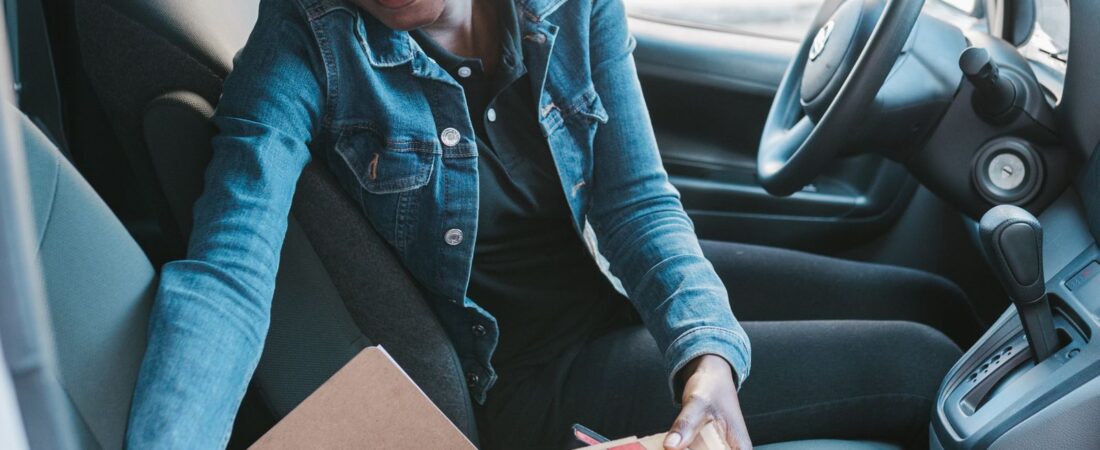

You pull up to the address and your phone says you’ve arrived at “Burger Bros.” Except there’s no sign. No dining room. No windows with a menu taped to them. Just a door on the side of an industrial strip mall, a shelf with a tablet on it, and six other drivers standing around looking as confused as you are. Welcome to the ghost kitchen — the most common pickup you’ve never heard of.
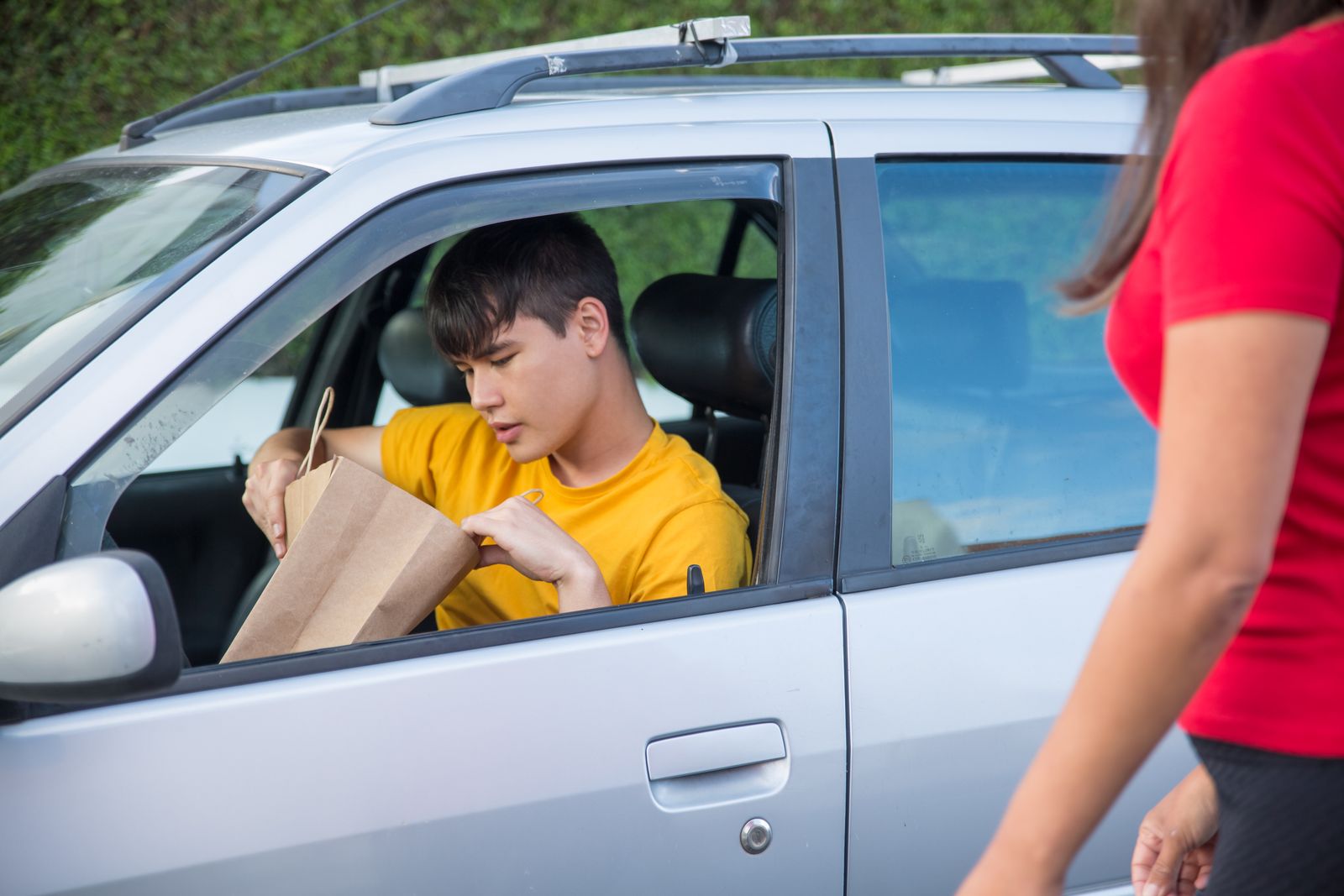
If you’ve been delivering on DoorDash, Uber Eats, Instacart, or Spark for more than a few months, you’ve already been inside a dozen of them. You just didn’t know it. And in 2026, they’re everywhere. Somewhere between a third and half of the “restaurants” on your app’s home screen don’t have a single table, chair, or dine-in customer. They’re delivery-only kitchens cranking out food for virtual brands — names that exist purely inside the app.
Here’s the thing nobody tells you when you start: ghost kitchens can quietly wreck your night — or make it. It all depends on whether you know what you’re walking into. This guide is the driver-to-driver playbook for 2026: how to spot a ghost kitchen, when to accept, when to run, and how to keep your earnings and ratings intact while the “restaurants” around you keep multiplying.
What Is a Ghost Kitchen, Anyway?
A ghost kitchen — also called a virtual restaurant, cloud kitchen, or dark kitchen — is a commercial kitchen built for delivery only. No dining room, no host stand, no walk-in customers. Just cooks, prep tables, and a steady line of drivers at the pickup counter.
One facility can house a single food brand or several virtual brands at once. That’s the part that messes with your head: a kitchen called “Wing Wizard” and another called “Taco Temple” might be the exact same room, run by the exact same people, cooking on the exact same burners. You’ll pick up a Wing Wizard order from counter 3 and a Taco Temple order from counter 4 — and they’ll hand you both bags from the same rack.
Why do they exist? Money. A restaurant brand can launch a virtual concept with almost no overhead — no lease on a dining space, no waitstaff, no tables to fill. Industry research firms tracking the space put the virtual restaurant and ghost kitchen market at roughly $86 billion in 2026, with projections north of $260 billion by the mid-2030s. With well over half of US consumers now regularly choosing delivery or takeout, the economics are only getting stronger. For drivers, that means one thing: ghost kitchens are not a fad, and they’re not going away. The sooner you learn to work them, the better your acceptance rate — and your bank account — will look.
How to Spot a Ghost Kitchen Before You Accept the Order
The single most valuable skill in 2026 is identifying a ghost kitchen before you burn 15 minutes driving to it. Here’s what gives them away.
The Restaurant Doesn’t Exist on Google
Run the name in your head before you accept. “Sushi Smash”? “Mac & Cheese Lab”? If it’s a name you’ve never seen on a billboard, a strip mall, or a food court, there’s a good chance it’s virtual. A quick mental check against places you actually know in your market will save you from the worst offenders — the brands that exist only inside DoorDash and Uber Eats, with zero footprint anywhere else.
One Address, Six “Restaurants”
Look at the pickup address. If three or four different restaurant names on your offer screen share the same address — or the same shopping center unit number with different letters (Suite A, Suite B, Suite C) — you’ve found a ghost kitchen facility. Some of these buildings house a dozen or more brands under one roof. When you see that pattern, you know the pickup is going to be a shared counter with tablets, not a hostess.
Pickup Instructions That Scream “Back Door”
“Enter through the rear entrance.” “Look for the blue awning by the loading dock.” “Ask for Marcus at the window.” These instructions are ghost kitchen fingerprints. Legit restaurants tell you to come to the front or the host stand; ghost kitchens tell you to find the industrial entrance. If the notes feel like a scavenger hunt, adjust your expectations — and your patience — before you get there. If you’re still unsure whether an order is worth it, our guide to accepting and declining orders breaks down exactly how to weigh these offers.
What the 2026 Ghost Kitchen Shakeout Means for Your Earnings
Here’s the part that might surprise you: the ghost kitchen gold rush had a crash. After investors poured billions into delivery-only concepts in the early 2020s, the hype cooled hard. US ghost kitchen revenue actually fell in 2024, big operators shut down locations or pivoted to hybrid models, and industry data shows a brutal survival curve — roughly a 28% failure rate for new ghost kitchens in their first year, with food safety and compliance issues behind a huge share of closures.
So what survived? The high-volume operators who figured out efficiency. And that’s actually good news for you: the ghost kitchens still standing in 2026 are busy, consistent, and moving serious order volume. But volume cuts both ways. When a kitchen is cranking out 50 orders an hour, the wait times get ugly, and data shows customers are significantly more likely to complain when their order drags — complaints that come straight back at your rating, not the kitchen’s. The drivers who profit in 2026 are the ones who treat every ghost kitchen pickup as a wait-time risk and manage it like a pro. If you want the full toolkit for handling slow restaurants, our guide to restaurant wait times on DoorDash and Uber Eats is the closest thing to a cheat code.
Ghost Kitchen Pickup Strategies That Save You Time and Money
You can’t avoid ghost kitchens, but you can stop letting them waste your night. These are the tactics that work on the ground.
Park Like You Mean It
Ghost kitchen parking lots are chaos — drivers circling, couriers stacking, no rhyme or reason. Do yourself a favor and scope the lot before you commit to a spot. Find the pickup door first, then park as close to it as legally possible. At multi-brand facilities, the pickup counter you need might be on the far side of the building, and the 200 extra feet you saved by parking at the front door will cost you two minutes on every single pickup. Two minutes, eight pickups a night — that’s a quarter hour of unpaid time. Park smart.
Don’t Hit “Arrived” Until You’re at the Counter
This one is non-negotiable. The app tracks how long you’ve been waiting, and ghost kitchens are notorious for clocking your “arrival” the second your GPS gets within 100 yards. If you hit Arrived while you’re still circling the lot, you’ve just handed the kitchen a free five minutes of fake wait time — and you’ve set yourself up for a low “delivered late” stat you didn’t earn. Get to the counter, make eye contact, then mark arrived.
The 10-Minute Rule
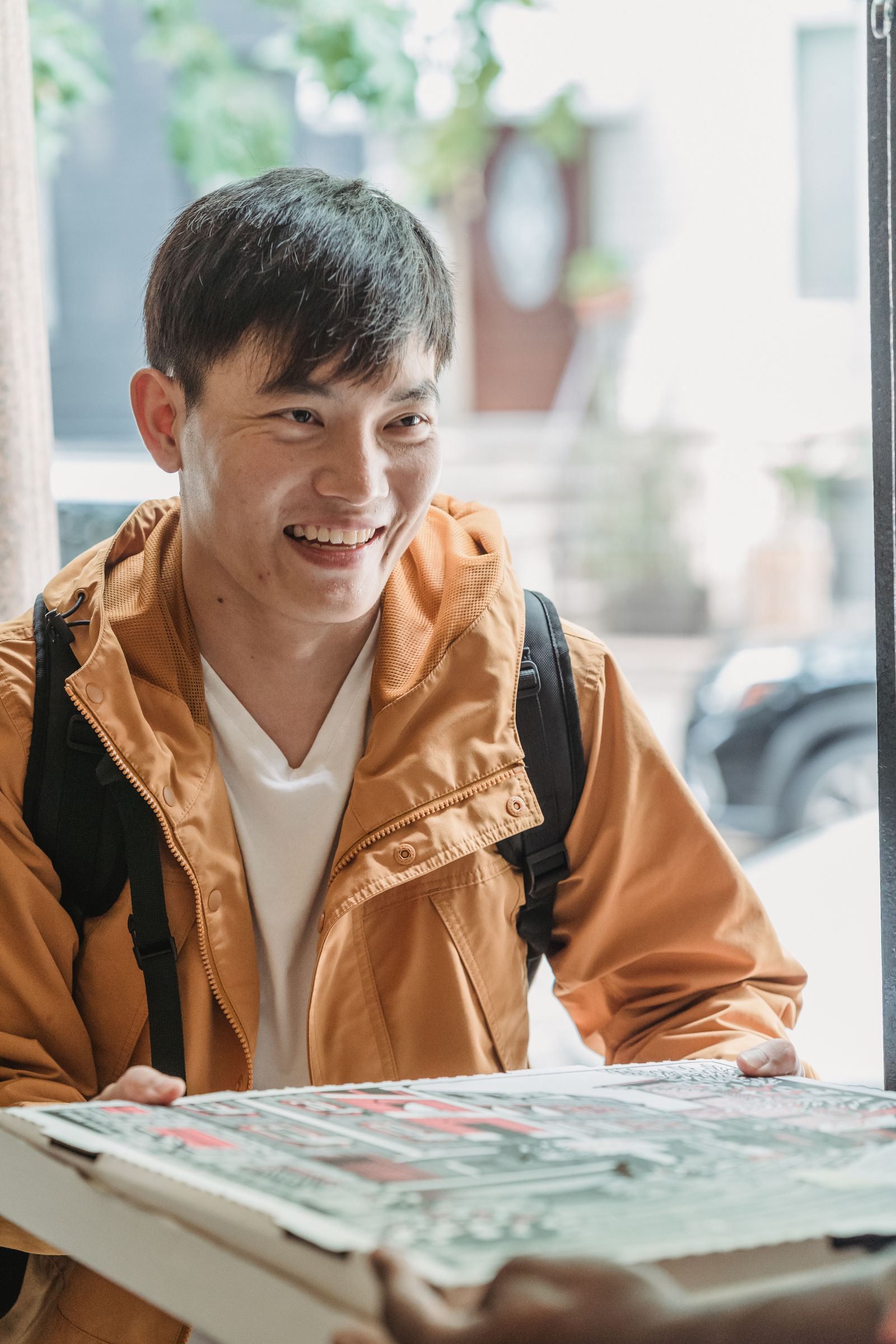
Once you’re at a ghost kitchen counter, give it 10 minutes max before you start making decisions. At minute 10, ask the staff directly how long the food will actually take. If the answer is “another 15” or worse, decide: wait it out because the payout is worth it, or unassign and move on to a livelier offer. There’s no shame in dropping a ghost kitchen order that’s eating your peak-hour earnings — that’s what the decline button is for. Just remember that repeated late unassigns can ding your stats, so make the call early and make it clean.
Use the Wait Productively
Ghost kitchens are where stacked orders get born. While you’re waiting for one virtual brand, check whether a second order from the same facility is available — same parking spot, same counter, two payouts. Just don’t accept a stack from the same kitchen unless both orders are actually ready or close to it; a double wait at the same counter is how you turn one slow pickup into two ruined delivery windows. If you want the full playbook on running stacked orders without getting burned, our stacking orders guide covers the exact scenarios that pay off.
Which Ghost Kitchen Orders Are Actually Worth It
Not all ghost kitchen orders are created equal. Learn to sort them and your per-hour earnings will thank you.
The Good: Big Orders and Catering Trays
Virtual brands love catering-size orders — office lunches, event platters, family bundles. These orders have real payouts, and because they come from a kitchen optimized for volume, they’re often ready faster than the per-item orders from a busy sit-down restaurant. A catering tray from a ghost kitchen is one of the best dollar-per-minute gigs in the game. When you see a high-item-count order from a virtual brand, give it a serious look.
The Bad: High-Volume Brands at Peak Hours
Friday night, a virtual burger brand with 30 orders on the rack, and your order is number 27. That’s the trap. High-volume ghost kitchens at peak hours can run 20-30 minutes behind, and the staff has zero incentive to rush your order over anyone else’s. Check the prep time estimate and the number of drivers waiting before you commit. If the counter looks like an airport baggage claim, that order is going to cost you.
The Ugly: No-Answer Support Situations
Here’s a ghost kitchen scenario that makes every driver’s blood boil: the order is missing items, the “restaurant” has no phone number, the address leads to a locked door, and support’s best answer is a 20-minute hold. It happens. When it does, document everything — screenshots of the address, the instructions, the chat transcript — and call support from the parking lot so you can show your location. And if you’re dealing with an order issue at a ghost kitchen that never gets resolved, our delivery driver support guide walks through the escalation paths that actually get results in 2026.
Ratings, Food Safety, and the “Who Am I Delivering For?” Problem
Here’s the unfair part of ghost kitchens: customers rate you for food you never touched, made by a kitchen you never saw. The virtual brand name on the bag might be completely different from the kitchen that actually cooked it, which means the customer’s expectations (“I ordered from a fancy pasta place!”) rarely match the reality (a plastic bag from a shared commissary).
Your defense is a boring one: check the bag. Confirm the items match the order, make sure the seal is intact, and verify the ticket matches the restaurant name on your app. If the bag says “Taco Temple” and you’re delivering a “Wing Wizard” order, that’s a 1-star review waiting to happen — catch it at the counter, not at the customer’s door. And temperature matters more at ghost kitchens, because food that sat on a rack for 20 minutes before you arrived is already cooling. A quality insulated bag is non-negotiable if you’re doing any volume of these pickups — it’s the difference between a hot delivery and a refund request.
Ghost Kitchens, Robots, and What’s Next for Drivers in 2026
The ghost kitchen playbook is still being written, and 2026 is bringing new twists. Containerized robot kitchens — compact, automated cooking units that plug into parking lots — are rolling out in several US markets, and the delivery-only model keeps mutating. Some big chains are spinning up virtual brands to test menus without opening new locations; others are closing their ghost kitchen experiments and consolidating into fewer, higher-volume facilities.
For you, the trend lines are clear: more orders coming from fewer, bigger, more chaotic kitchens. The apps are also changing how these pickups are dispatched and paid in 2026 — a moving target that’s worth staying on top of. The drivers who thrive will be the ones who adapt fastest, which has always been the gig economy’s real job requirement.
The Bottom Line: Work the Ghost Kitchens, Don’t Let Them Work You
Ghost kitchens aren’t going anywhere. By 2035, the industry could be three times its current size, and every one of those new kitchens needs drivers to move its food. That’s opportunity — but only if you treat every virtual brand pickup with the same pickup etiquette you’d bring to a real restaurant: spot it early, park smart, don’t gift the kitchen free wait time, know when to walk, and protect your ratings by checking the bag every single time.
Master the pickup side of the gig, and the earnings side takes care of itself. If you’re new to delivery or just want to stack more income across apps, there’s never been a better moment to add another platform to your rotation. New drivers in select cities can earn up to $2,575 after completing their first deliveries — a solid way to turn your empty evenings into paid ones.
Start Earning More with Uber Eats
New drivers in select cities can earn up to $2,575 after completing their first deliveries. Set your own hours, cash out when you want, and keep every mile you drive working for you.
Must be 21+. Background check required. Terms apply.