

Order Accuracy in 2026: The Delivery Driver’s Guide to Stopping Missing Items & Bad Ratings
You know the feeling. You’re three blocks from the customer’s house and you glance at the receipt taped to the bag. Two fountain drinks were supposed to be in that cupholder… and you only grabbed one. Or you hand over the groceries and the customer opens the bag right there, pulls out the wrong brand of salsa, and looks at you like you personally grew it.
Order accuracy is the quiet killer of gig income. It doesn’t flash on your dashboard like a low offer. It shows up later, as a 4-star rating, a “missing item” report, a contract violation, and — if it keeps happening — a deactivation email you never saw coming. In 2026, with every app tightening its quality standards and customers one tap away from reporting a problem, getting the order right matters just as much as getting it there fast.
This guide is the full order-accuracy playbook for DoorDash, Uber Eats, Instacart, and Spark: where the mistakes actually happen, how to catch them in seconds, and the habits that keep your rating clean and your account safe.

Why Order Accuracy Matters More Than Ever in 2026
Let’s start with the number every driver should know. A 2026 industry report on restaurant delivery errors found that 3.5% of all delivery orders get flagged for errors or disputes. That’s roughly one in every 28 orders. If you run 15 deliveries a night, a complaint is statistically sitting somewhere in your queue every single shift — and it only takes one to ding your rating.
Customers are also less forgiving than they used to be. Recent food-industry data shows about 20% of customers say they won’t order from a platform again after a delivery problem. Platforms know this, which is why DoorDash, Uber Eats, Instacart, and Spark have all tightened how they track quality complaints — and why repeated “confirmed missing items” reports are now a direct route to contract violations and deactivation.
Here’s the part most drivers miss: you don’t have to be the one who made the mistake to pay for it. The restaurant forgot the dipping sauce. The store grabbed the wrong size. The customer’s order got bagged wrong at a ghost kitchen with six brands under one roof. The complaint still lands on the delivery you signed for. In 2026, order accuracy isn’t just about being careful — it’s about building a routine that catches other people’s mistakes before the customer does.
The Restaurant Pickup Check That Takes 10 Seconds (DoorDash & Uber Eats)
Most restaurant-order mistakes are caught in one place: the pickup counter. Ten seconds of checking while the food is still in front of the restaurant beats a 15-minute return trip — or a 1-star rating — every time. Here’s the exact routine.
Count the Bags Before You Leave
The most common restaurant error is simple: you get handed one bag when the order has two. Big catering orders, family meals, and anything with drinks or sides split into multiple bags. Before you touch that door, look at the order details on your screen and count the bags physically in front of you. If the order says “2 items” and you have one bag, don’t assume — ask. Restaurant staff would rather hand you the missing bag now than deal with a driver coming back angry later.
Check Seals and Stickers
Sealed bags are your friend. A tamper-proof sticker or staple means the restaurant is taking responsibility for what’s inside, and it protects you from “the driver opened my food” complaints. If a bag is supposed to be sealed and it isn’t, ask for it to be re-sealed before you leave. If you’re picking up from a place you know is sloppy — and every market has a few — give the sealed bags a gentle weight test. A bag that feels way too light for a double cheeseburger, fries, and a shake is worth opening in front of the counter staff to verify.
Drinks Are the #1 Missing Item — Build a Routine
Ask any veteran driver: drinks are the most commonly forgotten item in food delivery. They’re not in the bag, they’re handed to you separately, and they get left on the counter or in the cupholder of your car. Build a physical routine: every time you grab an order, glance at the order screen, then check the counter and the cup caddy before you turn around. One look, every time, no exceptions. When a drink is listed on the order and the restaurant didn’t put one out, ask for it right there — it takes five seconds and saves you the most common complaint in the business.
Know What You’re Picking Up — Especially at Ghost Kitchens
Ghost kitchens and virtual brands have made order mix-ups dramatically more common. One commercial kitchen can run five different restaurant brands from the same counter, and the bags often look identical. Always confirm the order number and the brand name on the label before you take anything. If you’re new to the virtual-restaurant game, our ghost kitchens survival guide breaks down how these kitchens work and where the mix-ups happen. And if you’re stuck waiting on a slow kitchen, this restaurant wait-time guide keeps your rating safe while you’re standing there.
The Shop & Deliver Accuracy Playbook (Instacart & Spark)
Shopping orders are a completely different accuracy game. Instead of one bagged meal, you’re responsible for every item on a 40-line grocery list — the count, the size, the brand, the weight, the substitution. That’s where the biggest rating killers live.
Scan Every Item — and Watch the New Spark Item Mapping
In July 2026, Walmart pushed a Spark app update that added a new item-mapping feature, and drivers reported it slowed down their shops. Love it or hate it, the direction is clear: the apps are getting better at tracking exactly what you scan and what you skip. Use the scans to your advantage. Every item you skip without a scan is a potential “missing item” report — and on Spark, where the app now maps items to the store layout, skipping items without logging a substitution is exactly how orders come up short. Take the extra seconds to log every “item not found” properly. It protects you later when the customer compares the receipt to the bag.
Weights, Counts, and the 24-Pack Rule
Grocery customers notice three things more than anything else: the wrong count, the wrong size, and the wrong weight. A 24-pack of water instead of a 12-pack. The 8-ounce yogurt instead of the 6-ounce. The 1-pound ground beef instead of the 2-pound. Check the pack count and weight on every multi-unit item before it goes in the cart. And when a customer orders one of something, count how many actually went in the bag — it’s shockingly easy to grab two of something identical and separate them later.
Substitutions That Don’t Come Back to Bite You
Substitutions are the #1 source of Instacart complaints that aren’t really “missing items” — but they get reported that way. The rule that saves you: if the customer hasn’t approved a substitution, don’t swap the brand unless it’s the obvious equivalent. Same product, different size? Usually fine. Different flavor, different brand, or a completely different product? Skip it and refund, or message the customer and wait. A customer who wanted name-brand cereal will absolutely report the store-brand box you grabbed “to be helpful.” When in doubt, the refund is safer than the substitution.
The Cart-to-Bag Audit
Before checkout, run a two-minute audit: compare your cart against the order list on your screen, line by line. Most shoppers check out with items in the cart they never scanned (stray pickups) or miss items they did scan (left in the cart, bagged at the wrong store). After bagging, do a final visual pass — one item per order line, bags accounted for. For the full system on fast, accurate shops, our grocery shopping efficiency playbook walks through the complete routine, and if you’re dealing with EBT and SNAP orders, this EBT delivery guide covers the extra accuracy rules those orders carry.
What to Do When You Catch a Missing Item
You will catch mistakes — in your own hands, at the counter, or at the customer’s door. What you do in that moment decides whether it becomes a complaint.
Before You Leave the Restaurant
Catch it early and it’s a non-event: show the counter staff your screen, tell them what’s missing, and wait the two minutes for the fix. If the restaurant refuses or argues, make a judgment call — a 5-minute delay is almost always better than delivering a known-incomplete order. If it’s a sealed-bag situation and the restaurant insists everything is inside, deliver it but take a photo of the sealed bag with the receipt visible. That photo is your evidence if the customer reports the item missing later. Restaurant staff are usually great about this, and knowing how to handle them without drama is half the battle — our restaurant pickup etiquette guide covers the people skills that make these conversations painless.
At the Customer’s Door
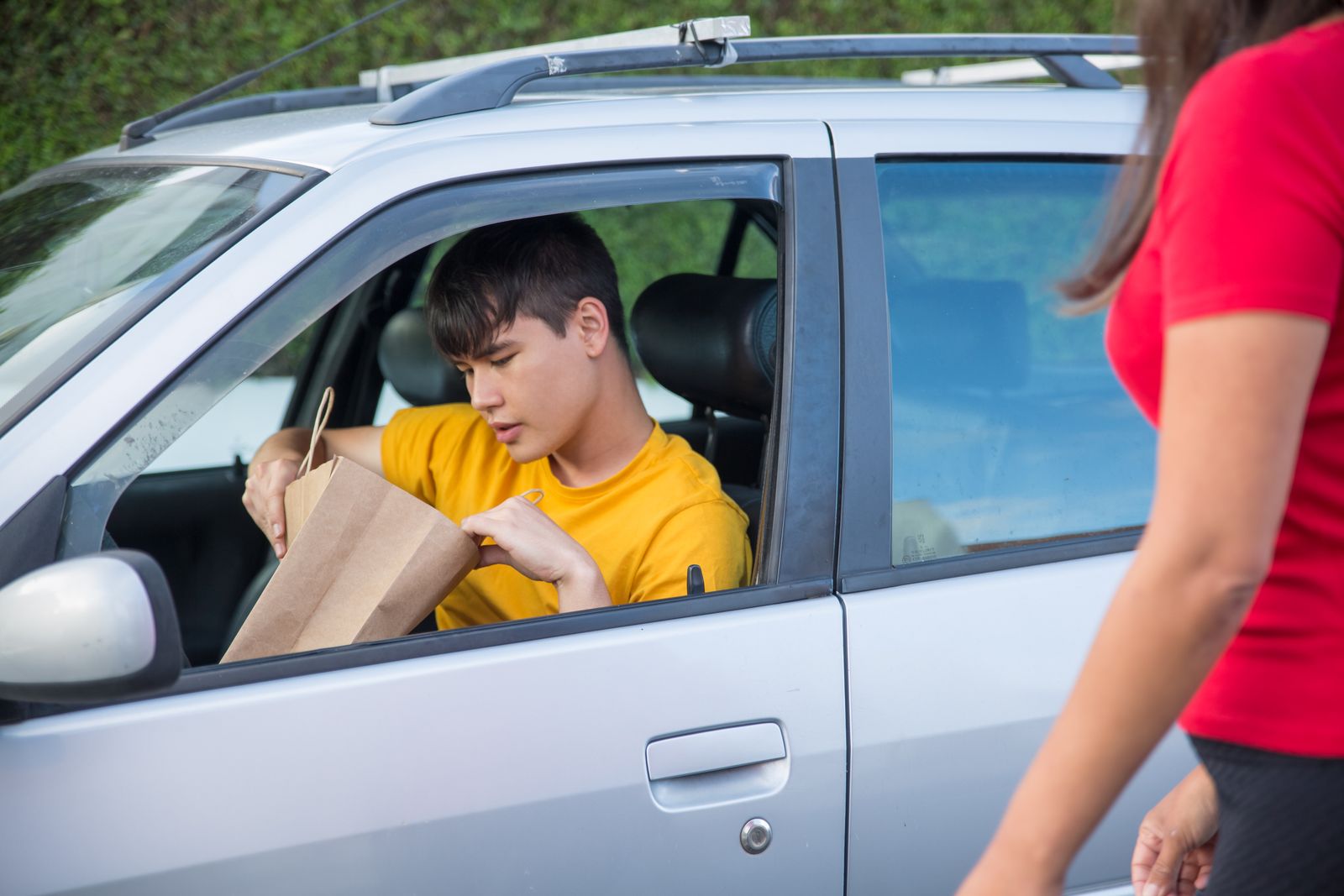
If you realize something is missing while you’re at the door, tell the customer before they find out on their own. A quick “heads up, the restaurant didn’t include the drinks — I flagged it in the app, you should see a refund” turns a complaint into a thank-you. Customers forgive drivers who communicate. They don’t forgive drivers who silently drop off an incomplete order and let them discover it. And when you hand over the order, keep the receipt or take a photo of the delivery — date-stamped photo proof is the single best defense you have against false “missing item” reports.
After Delivery — Report It First
If the customer reports an item missing and you know the restaurant shorted you, report it to support before the complaint lands. Drivers who proactively flag restaurant mistakes get far more benefit of the doubt than drivers who only respond after the customer files. Keep it short, attach the photo, and reference the order number. Our delivery driver customer support guide has the exact escalation steps and phone numbers for every platform.
How Order Errors Hit Your Ratings and Your Account
It’s not just a rating ding. In 2026, order errors are a formal part of every platform’s enforcement playbook.
DoorDash Contract Violations
DoorDash’s contract violation system tracks delivery issues — and “confirmed missing items” and tampering reports are on the list. A single violation won’t kill you, but repeated violations stack up and are a documented trigger for deactivation reviews. The way to avoid them isn’t luck; it’s the pickup check routine above, plus photo evidence on every handoff. If you do get hit with a violation you didn’t cause, you can dispute it — our deactivation appeal guide walks through exactly how to fight back.
Instacart Order Issues
Instacart lets customers report missing, damaged, or wrong items and automatically issues refunds or credits — usually within days of delivery. Every report lands on your shopper account. Too many “missing item” reports in a short window and Instacart starts flagging your account for review, which can freeze your ability to take high-value batches. The fix is the same: scan discipline, substitution care, and the cart-to-bag audit. It’s also worth knowing the customer-side rules — Instacart’s reporting window — so you understand exactly how long you’re exposed to a complaint after drop-off.
Spark’s 4.7-Star Floor
Spark is the strictest of the bunch. Walmart’s Spark requires a minimum 4.7-star rating to keep full access, and a string of “missing item” complaints is one of the fastest ways to sink below that line. With the FTC’s $100 million settlement over Spark earnings practices now requiring tighter pay verification, Walmart has every incentive to keep quality metrics visible and enforced. On Spark, treat every shop like the customer is watching you bag it — because the item mapping in the app is increasingly close to that.
If you want the full picture on keeping your metrics healthy, our guide to maintaining high ratings breaks down what actually moves the numbers on each app.
Six Pro Habits That Keep Errors at Zero
Veteran drivers don’t check orders harder — they check them smarter, with routines that run on autopilot. These six habits cover more than 90% of real-world order errors:
1. One order at a time. Multi-apping is how you make real money, but physical order separation is non-negotiable. Color-code your bags or use the trunk for one app and the back seat for the other. Nothing creates missing-item complaints faster than handing over the wrong app’s order. Our multi-apping guide covers the full system for running multiple apps without mix-ups.
2. The 10-second pickup check. Count bags, check seals, spot the drinks. Every pickup, no exceptions. It’s in this guide for a reason — it’s the highest-ROI 10 seconds of your shift.
3. Photo-proof every handoff. “Leave at door” photos aren’t just for the app — they’re your evidence file. Take the photo with the receipt or order number visible in frame when you can. Drivers with photo proof almost never lose missing-item disputes.
4. Phone away during the walk. The classic error chain: you’re carrying three bags, checking your next offer, and the drink slides out of the cupholder. Handle the bags first, check the phone after. The offer will still be there.
5. Keep a “problem restaurant” list. Every market has the three restaurants that consistently short orders. After two bad pickups from the same place, you know to check those bags twice — or decline those orders entirely.
6. The final 30-second check before you knock. Bags accounted for, drinks in hand, receipt visible, address confirmed. Then hand it over. Thirty seconds of focus beats thirty minutes of arguing with support.
Order Accuracy FAQ for Delivery Drivers
Who gets blamed when a restaurant forgets an item? The complaint lands on the delivery — that’s you — unless you can show the bag was sealed and the restaurant was responsible. That’s why the sealed-bag photo matters. When a sealed bag is delivered intact, most platforms side with the driver.
Can I get deactivated for missing items? Yes, if the reports are repeated and confirmed. One or two complaints won’t end your account, but a pattern of “confirmed missing items” is a documented deactivation trigger on DoorDash and a review trigger on Instacart and Spark.
Should I open sealed bags to check the order? No. Opening sealed bags destroys your tamper-proof defense and invites the “driver touched my food” complaint. Check what you can see, count what you can count, and photograph the seal.
What if the customer claims an item is missing and I know it was there? Politely dispute it with support, attach your handoff photo, and reference the order. Platforms see the same customer’s report history — drivers who rarely get complaints and have photo evidence win these disputes.
The Bottom Line: Accuracy Is a Skill, Not Luck
Every missing-item complaint you prevent is money in your pocket — in preserved tips, protected ratings, and an account that never has to fight for its life. The drivers who last in this business aren’t the fastest. They’re the ones the customers can rely on, order after order, and the apps reward that reliability with better offers over time.
Build the 10-second pickup check into every single order, run the shop-and-deliver audit like your rating depends on it, and take the photo that proves you did your part. That’s the whole playbook — and it takes less than a minute of your shift.
If you’re new to delivery and want to start on the right foot — accurate orders, clean ratings, and real earnings from day one — Uber Eats is a solid place to begin. New drivers in select cities can earn up to $2,575 after completing their first deliveries, and the app’s order flow makes it easy to build the accuracy habits above.
New to Delivery? Start Earning with Uber Eats
New drivers in select cities can earn up to $2,575 after completing their first deliveries. Start with accurate orders, clean ratings, and real pay from day one.
Start Earning with Uber Eats →
Must be 21+. Background check required. Terms apply.