

The True Cost of Idling for Delivery Drivers in 2026: How Waiting Burns Your Profits
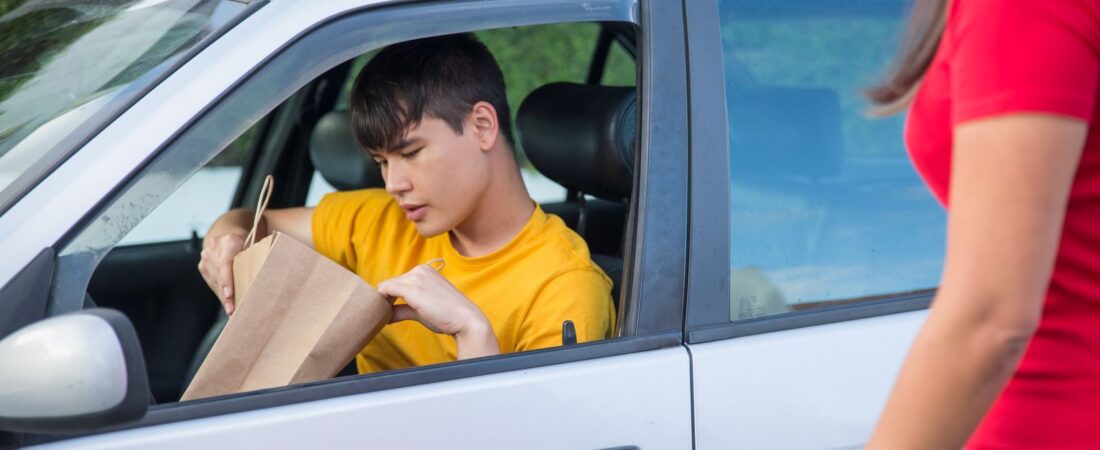
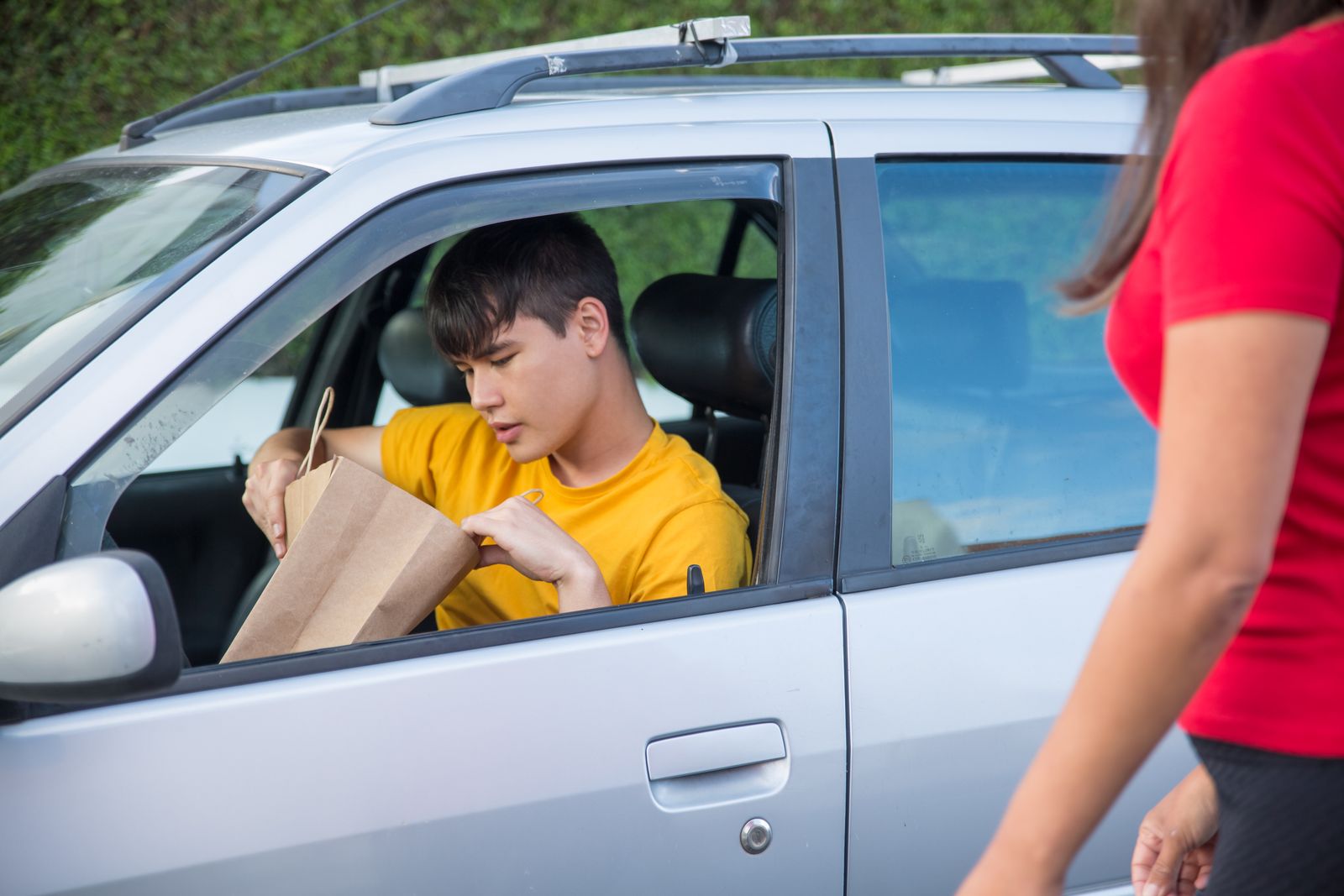
If you deliver for DoorDash, Uber Eats, Spark, or Instacart, you know the drill. You pull into a hot-spot parking lot, drop the car into park, and let the engine run while you wait for the next ping. Ten minutes pass. Thirty minutes pass. Finally an offer pops up and you pull away, never thinking twice about the engine that has been burning gas the whole time. That wait felt free – but it wasn’t. Every minute your engine idles is a minute you are paying for fuel, engine wear, and possibly a ticket, all while earning zero dollars. Here is what idling actually costs a delivery driver in 2026 – and how to stop handing your profits to the gas pump.
How Much Fuel Does Idling Really Burn?
A typical passenger car burns somewhere between 0.1 and 0.5 gallons of fuel per hour at idle. A small four-cylinder engine sitting at a stop with no accessories running sits at the low end. A bigger engine with the air conditioning cranking on a 95-degree Houston afternoon sits at the high end. The industry rule of thumb: idling for two minutes burns roughly the same fuel as driving one mile.
Let’s do the math for a real shift. Say your car burns 0.2 gallons per hour at idle – a middle-of-the-road number. Thirty minutes of waiting scattered across a shift equals 0.1 gallons, or about 35 cents at $3.50 a gallon. That sounds small. Now multiply it by 300 working days. You are at more than $100 a year just sitting in parking lots. Idle a full hour a day in a bigger car with the AC running and you are closer to $180 to $200 a year – in fuel alone.
The Air Conditioning Multiplier
The AC is the single biggest factor in idle fuel burn. Running the compressor can add 0.1 to 0.3 gallons per hour on top of base idle. In Phoenix in July, idling with the AC on full blast is one of the most expensive ways to stay cool – yet most drivers do it automatically. For the full playbook on keeping your cabin livable without wrecking your fuel budget, our car AC guide for delivery drivers covers it in depth.
Idling Costs More Than Gas: The Hidden Damage
Fuel is the cost you can see. The damage you cannot see is often worse. Chronic idling creates a handful of engine problems that quietly eat your repair budget:
Oil Dilution and Carbon Buildup
At idle, the engine runs rich – more fuel, less air – and combustion is incomplete. Gasoline washes down the cylinder walls and into the oil pan, diluting your engine oil over time. The same incomplete burn leaves carbon deposits on valves, spark plugs, and sensors. The result: oil that stops protecting the engine, plugs that foul early, and a slow-motion drop in performance and fuel economy. If you idle a lot, you genuinely need to change your oil more often – our engine oil change guide explains the right intervals for high-idle drivers.
Battery Drain – Even While the Engine Runs
Here is the counterintuitive one: idling does not fully recharge a modern battery. At idle RPM, the alternator often cannot keep up with the radio, the AC, the dash cam, and two phones charging. That is how drivers end up stranded in a parking lot with a dead battery they thought was being charged. It is also why delivery drivers burn through batteries faster than commuters. Learn the warning signs and the right replacement strategy in our car battery guide.
Catalytic Converter and Sensor Stress
A rich-running, idling engine also dumps unburned fuel into the exhaust, which the catalytic converter has to process. Over years of heavy idling, that shortens converter life and can trigger O2 sensor codes – repairs that run into the hundreds or thousands of dollars.
The Restart Myth: Shutting Off Is Safe
“But restarting my car wears out the starter and burns more gas than idling!” If you grew up hearing that, you grew up with 1970s technology. Modern fuel-injected engines restart almost instantly, and a warm restart uses barely any fuel – roughly the same as five to ten seconds of idling. Modern starters are built for tens of thousands of cycles; you will not wear yours out by shutting off at hot spots. The EPA and Department of Energy guidance has been consistent for years: if you expect to be stopped for more than about 30 to 60 seconds, turn the engine off. That one rule would eliminate most delivery-driver idling.
Anti-Idling Laws: The Ticket You Didn’t Know Existed
Here is the cost most drivers never see coming: idling is illegal in many cities. New York City’s Local Law 38 limits idling to three minutes – one minute near schools – with fines starting around $350 and climbing to $2,000 for repeat offenses. Chicago enforces similar three-minute limits in many zones. Denver, Minneapolis, Philadelphia, and dozens of other municipalities have idle restrictions, most in the three-to-five-minute range. As a delivery driver, you look exactly like a commercial vehicle to enforcement – and camera-based idle enforcement is expanding in 2026. One ticket wipes out months of fuel savings, so knowing your local limit isn’t paranoia; it’s profit protection.
How to Stop Idling Without Melting or Freezing
The reason drivers idle is comfort, not laziness. You are waiting in a car that is 110 degrees in August or 20 degrees in January, and the engine is your only climate control. The fix isn’t “suffer” – it’s a toolkit of small moves that stack up:
Adopt the 60-Second Rule
Shut the engine off any time you expect to wait more than a minute. Waiting on a pickup, queued at a merchant, camped in a hot spot – key off. If an offer comes, the car starts instantly. This single habit eliminates most of your idle time and costs nothing.
Park Smarter
In summer, park in the shade and face the windshield away from the afternoon sun. The difference in cabin temperature can be 20 degrees or more – often the difference between “I need the AC running” and “I can crack the windows.” In winter, park facing the sun and use a windshield cover at night.
Charge Your Gear Without the Engine
The big reason drivers idle at hot spots is charging phones and power banks. A $30 power bank charges two phones several times over – no engine required. And keep a portable jump pack in the trunk instead of relying on the alternator to save you.
Dress for the Wait
Layers in winter, a cooling towel or insulated drink in summer. Your grandfather didn’t idle his truck for 20 minutes to stay warm; he wore a coat. Your earnings will thank you.
Use the Tech You Already Have
If your car has auto start-stop, leave it on – every light and every wait is a few cents saved. If you use remote start, remember it is still idling: use it to pre-cool or pre-warm for five minutes, not thirty. In an EV or hybrid, waiting is nearly free – cabin preconditioning costs a fraction of idling a gas engine. Our EV charging guide breaks down why EVs change the waiting game entirely.
Track Your Idle Time Like a Business Metric
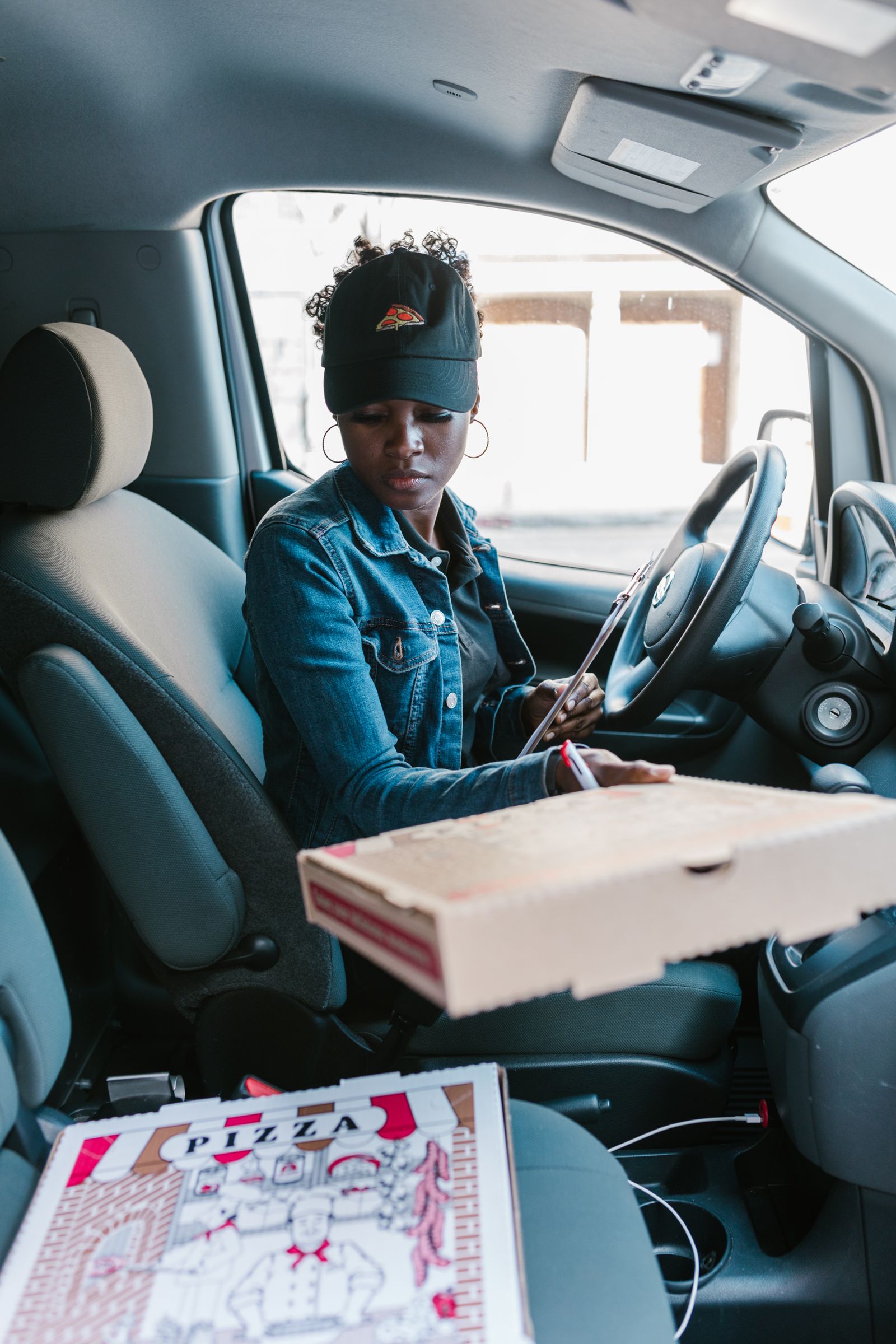
You can’t fix what you don’t measure. A $25 OBD-II reader or a phone app can show you exactly how long you idle each day. Spend one week tracking, then set a target: cut idle time in half, then cut it again. Most drivers who track are genuinely surprised – the “quick” waits that were “only a few minutes” turn out to be 40 minutes a day. That is 40 minutes of engine time, fuel, and wear for zero dollars of earnings.
What Idling Does to Your Hourly Rate
Here is the framing that finally gets drivers to change: idle time is unpaid time, and it drags your effective hourly rate down. If you gross $25 an hour but idle 45 minutes a day, you are paying for that hour out of pocket – fuel, wear, and risk – while making nothing. Pair the 60-second rule with smarter scheduling and you will see the difference on your weekly gas receipts fast. Start with the delivery driver time management guide for the scheduling side, and check how to make $30 an hour for the full earnings picture.
Idling is a leak in your paycheck – small per minute, huge per year. Shut it off at the hot spot, track your numbers, and spend the savings on something that actually pays you back. Pair these habits with the gas saving strategies and gas saving tips already on this site, and you have a complete fuel-economy game plan for 2026.
Ready to Earn More While You Drive?
Cut your costs, keep more of every dollar, and join thousands of drivers earning more per mile in 2026.
New drivers: Sign up through our partner link and get a $2,575 guaranteed bonus after completing your first 200 deliveries in select US cities.
Sign Up for Uber Eats and Start Delivering →
Must be 21+. Background check required. Terms apply.