


Memorial Day weekend 2027 — Saturday May 29 through Monday May 31 — is one of the most underrated earning opportunities on the delivery driver calendar. While Christmas and Thanksgiving get all the hype, Memorial Day quietly delivers one of the biggest grocery surges of the entire year, strong alcohol demand from Friday through Sunday, and a food order wave that builds all weekend long. Most regular 9-to-5 workers have Monday off. Backyards fill up. Grills fire up. And someone always forgets the charcoal, the seltzer, or the burger buns.
That’s where you come in.
This guide breaks down exactly how to work Memorial Day 2027 — day by day, hour by hour, market by market — so you can walk away Monday night with your best holiday weekend earnings check of the summer.
Why Memorial Day 2027 Is One of the Biggest Earning Weekends of the Year
The unofficial start of summer in the United States means one thing for the gig economy: a convergence of demand spikes hitting multiple platforms at once. Instacart and Spark drivers see a grocery surge that rivals Thanksgiving in some markets. DoorDash and Uber Eats drivers see restaurant orders spike as families that didn’t plan a cookout decide to order BBQ takeout instead. Alcohol delivery — beer, White Claw, wine, seltzers — runs hot from Friday afternoon through Sunday night.
The layered nature of Memorial Day demand is what makes it so valuable. You’re not just chasing a single spike on one platform. You’re working a multi-day event with several distinct waves, and if you plan your schedule around those waves, you can be earning while casual drivers are still figuring out which app to open.
If you’ve worked the Labor Day 2026 earnings weekend or followed the Easter Sunday 2027 driver guide, you already know the pattern — federal holiday weekends create predictable, repeatable demand windows. Memorial Day is one of the strongest of the year, and it’s significantly more grocery-heavy than Labor Day because it kicks off grilling season rather than closing it out.
Day-by-Day Demand Breakdown: Friday May 28 Through Monday May 31, 2027
Friday Evening, May 28: The Early Prep Wave
Don’t wait until Saturday to clock in. Friday evening — roughly 5 PM to 9 PM — is when the first wave of party-prep orders hits. People finishing work, realizing the long weekend is officially here, start placing grocery and convenience orders for early arrivals and weekend supplies before Saturday crowds hit the stores.
On Instacart and Spark, Friday evening orders lean toward alcohol (the first real surge of the weekend), pre-packaged snacks, chips and dips, and drinks. On DoorDash and Uber Eats, dinner orders come in from households that want an easy night before the weekend grilling starts. These are often large, high-ticket orders with strong tip potential from customers who are already in a celebratory mood. Driver competition is still relatively low on Friday evening — most casual drivers wait until Saturday to start. That’s your edge.
Saturday, May 29: The Biggest Cookout-Prep Grocery Day of the Weekend
Saturday is the engine of Memorial Day weekend. Mid-morning through early afternoon — roughly 9 AM to 2 PM — is when the biggest grocery wave hits. What people are ordering: burger patties and steaks, hot dogs, brats, chicken, ribs, corn on the cob, potato salad ingredients, buns, condiments, charcoal, lighter fluid, ice, beer cases, soda, and every variety of hard seltzer the store carries.
This is your Instacart and Spark window. Get on the platform by 8:30 AM and stay aggressive through 2 PM. Holiday weekend grocery batches run heavy on substitutions — stores deplete popular cuts and specific brands fast. Be efficient at in-store swaps without sacrificing order accuracy. Check the grocery shopping efficiency guide for tactics that cut your per-order time without hurting your ratings on big holiday batches.
Saturday afternoon transitions to food delivery. From 4 PM through 8 PM, restaurant orders spike from households supplementing cookouts with takeout sides, groups ordering BBQ delivery rather than grilling themselves, and people who planned nothing at all and decided delivery beats firing up a hot grill on a hot afternoon.
Sunday, May 30: Second Wave, Sustainable Pace
Sunday is the cool-down day — lighter overall than Saturday, but still running well above a normal weekend. Late-morning and early-afternoon grocery orders continue as households restock items that ran out on Saturday: more drinks, more ice, backup ingredients, last-minute side dish supplies. Food delivery runs normal-to-strong through the evening as cookout fatigue sets in for some households and everyone else settles into Sunday mode.
Sunday is the natural multi-app day of the weekend: keep Instacart or Spark open for the morning grocery window, then shift primary focus to DoorDash or Uber Eats for lunch and dinner surges. If grocery orders slow after 11 AM on Sunday, pivot to food delivery and keep the clock moving rather than sitting idle waiting for another grocery batch.
Monday, May 31 — Memorial Day Itself: Last-Minute Runs and the Evening Wave
Monday operates in two distinct phases that most drivers either partially or fully miss. The first runs from roughly 9 AM to noon: last-minute BBQ supply runs. Someone forgot lighter fluid. Someone needs another case of beer. Someone’s making a potluck side dish and realized they’re out of a key ingredient. These orders are smaller and faster than Saturday’s full grocery shops, but they’re frequent and competition drops — many casual drivers sleep in on the actual holiday Monday.
The second Monday window is the one that separates drivers who planned from drivers who wung it: Monday evening, roughly 5 PM to 9 PM. Cookouts wind down. People are tired. Nobody wants to cook or face dishes. Food delivery spikes as households that grilled all weekend decide to let someone else handle dinner for once. In many suburban markets, Monday evening post-holiday food delivery matches or exceeds a normal Friday night surge. Do not call the weekend done at noon on Monday. That final window is often the cleanest money of the four days.
Grocery vs. Food vs. Alcohol: What to Prioritize and When
The smartest Memorial Day strategy layers these three order types across the weekend rather than staying locked to a single platform. Here’s the sequencing logic:
Grocery (Instacart, Spark, Walmart Delivery): Priority window is Saturday morning through early afternoon, with a secondary bump Friday evening. Grocery orders run large this weekend — full party-supply carts, strong tip potential on orders that hit $150 to $200 or more. If you’re deciding which grocery platform to prioritize, the Instacart vs. Shipt comparison breaks down which platform wins on batch order pay in higher-density markets during major holiday surges.
Food delivery (DoorDash, Uber Eats): Best windows are Saturday afternoon into evening, Sunday lunch and dinner, and Monday evening. Watch both app maps for peak pay and surge zones throughout the weekend — both platforms frequently run Memorial Day weekend bonus windows and promos that stack on top of base earnings. Keep food delivery running during downtime between grocery batches.
Alcohol delivery: Beer, wine, hard seltzers, and spirits run hot from Friday afternoon through Sunday night. Whether you’re delivering alcohol through DoorDash, Uber Eats, or a dedicated platform, ID-check protocol is non-negotiable this weekend — you will encounter customers who have already been drinking and may push back or act impatient during verification. Never skip the check. Review the complete alcohol delivery guide before Friday, especially the refusal protocol and ID verification sections.
Travel Weekend Market Shifts: Where to Position and Where to Avoid
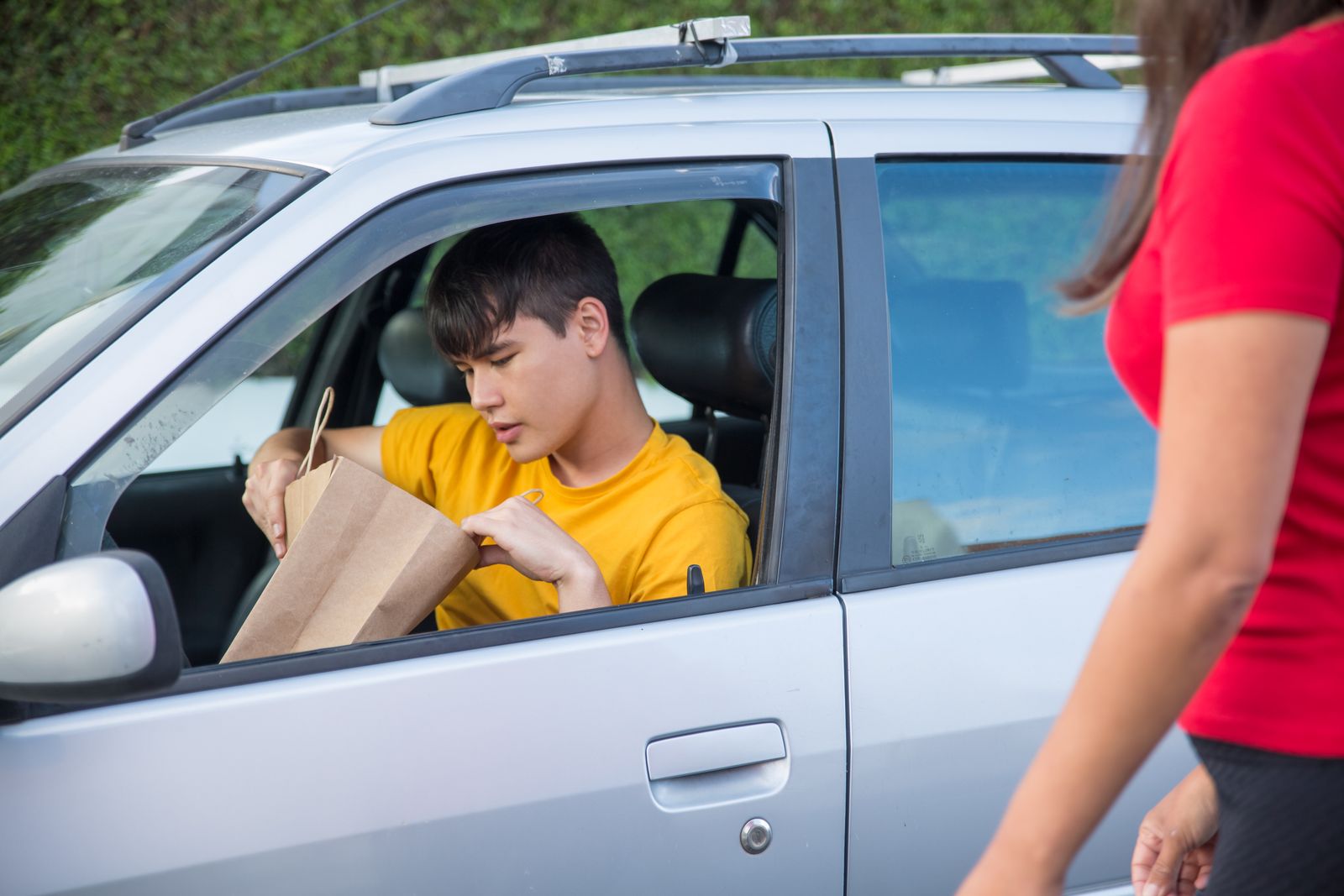
Memorial Day is one of the biggest US travel weekends of the year, and it reshapes the demand map in ways that catch unprepared drivers off guard. Understanding the geographic shift before Saturday morning is how you avoid burning your best earning hours in a dead zone.
Dense urban cores go quiet: In markets like Manhattan, downtown Chicago, central Los Angeles, and the San Francisco urban core, expect order volume to drop relative to a normal weekend. Residents leave for beaches, lakes, cabins, and family visits. Airport and hotel-adjacent zones also dip — business travel is at a near stop, and leisure travelers arrive at destinations with kitchens or cookouts rather than ordering delivery.
Where volume actually concentrates:
- Outer-ring suburbs: The households doing the full Memorial Day cookout spread — big grocery orders, big tips — are overwhelmingly in the suburbs. Houston’s Katy, Sugar Land, and Pearland; Dallas’s Plano, Frisco, and McKinney; Atlanta’s Alpharetta and Marietta; Denver’s Aurora and Lakewood; Phoenix’s Scottsdale and Gilbert; Chicago’s collar counties. These are your Saturday morning target zones.
- Lake, beach, and cabin destinations: Coastal New Jersey for NYC-area drivers, beach communities south of LA, Florida’s Gulf and Atlantic coasts from Miami to Jacksonville, Midwest lake communities, and the Carolina and Georgia shores all see demand spike as vacation destinations fill up with people who still want delivery of beer, snacks, and takeout food.
- Campground and park-adjacent areas: Generate frequent fast convenience and grocery orders on Friday evening and Saturday morning as campers arrive and realize they forgot something essential.
The practical call: if you’re in or near a suburban market, stay put — the surge is coming to you. If you’re in a dense city core and it goes quiet Saturday morning, consider a pre-surge repositioning move toward the suburbs. Our rural and suburban delivery guide covers the dead-mileage math on repositioning decisions so you’re not burning more gas than you’ll earn on the move.
Peak-Hour Playbook: The Exact Windows to Clock In
You don’t need to work all four days to have an excellent Memorial Day weekend. Here’s where the money concentrates — plan your sessions around these windows and cut the dead zones entirely:
- Friday 5–9 PM: Alcohol, convenience, and dinner surge. Four focused hours with lower competition beats a full day of mid-morning grinding.
- Saturday 8:30 AM–2 PM: The grocery window. Your single best Instacart or Spark session of the entire holiday weekend.
- Saturday 4–8 PM: Food delivery surge transitions from cookout prep to dinner orders. Move from grocery to DoorDash and Uber Eats.
- Sunday 10 AM–1 PM: Mid-morning grocery restock wave, then bridge to lunch delivery.
- Sunday 5–9 PM: Food delivery evening surge.
- Monday 9 AM–12 PM: Last-minute BBQ supply runs — small, fast, low competition.
- Monday 5–9 PM: Post-cookout evening food delivery wave. This is the window most drivers miss and most regret skipping.
That’s roughly 26 focused hours across four days, all within verified high-demand windows. Compare that to grinding 40 diffuse hours and chasing cold zones for the same or worse result. For more on aligning your session timing to demand cycles across the full day, see the breakfast, lunch, and dinner rush delivery guide.
Heat and Hydration: Staying Sharp in Late-May Temperatures
Late May is hot — in much of the US South and Southwest, it’s seriously hot. Phoenix and Las Vegas regularly hit triple digits by Memorial Day weekend. Houston, Dallas, Miami, and Atlanta see 90°F+ with humidity that makes the real-feel temperature significantly worse. Even Chicago and New York can deliver warm, muggy Memorial Day conditions that are uncomfortable inside a car that’s been sitting in a parking lot for 20 minutes.
Heat degrades your performance in ways drivers consistently underestimate: slower decision-making at the grocery store, faster mental fatigue, lower patience with difficult customer interactions, and higher risk of vehicle issues including tire pressure spikes and cooling system strain. The midday dead zone — roughly noon to 3 PM on Saturday and Sunday — combines the hottest window of the day with the lowest order volume and the highest casual-driver saturation. Grinding through that window for below-average orders in uncomfortable conditions is the wrong play. Use the dead zone to hydrate, eat a real meal, rest in AC, and prep your gear for the afternoon wave. You’ll come back at 4 PM sharper, faster, and earning more per hour than if you’d pushed through.
Practical heat protocol for Memorial Day 2027:
- Freeze a water bottle the night before — you’ll have cold water by mid-morning when heat starts building in earnest
- Target 32–40 oz of water per active delivery hour, not just when you notice you’re thirsty
- Wear lightweight, light-colored clothing and park in shade during store runs whenever the lot allows it
- Know the heat exhaustion warning signs: dizziness, nausea, heavy sweating, confusion — if you feel any of these, stop driving and cool down before continuing
- Get your car AC checked before the weekend if it’s been marginal — a failing compressor on a 98°F Saturday in Dallas or Phoenix ends your day
The summer heat delivery strategy guide covers platform-specific tactics for Texas, Arizona, and Florida drivers, including how to structure your schedule around extreme-heat windows. Also see the driver hydration and nutrition guide for multi-day fueling strategies that sustain your energy across a long holiday grind without relying on gas station food and energy drinks.
Multi-App Strategy for Memorial Day Weekend
Long holiday weekends pull out casual drivers — people who don’t normally deliver but see the holiday as easy extra money. More supply competing for the same orders means your strategic edge matters more than it does on a typical Tuesday, not less. Multi-app discipline is how experienced drivers separate from the field precisely when competition is highest.
Morning sessions (Saturday 8:30 AM–2 PM): Run Instacart or Spark as your primary, with DoorDash or Uber Eats open in the background for food orders that come in between grocery batches. The key discipline: don’t accept a grocery batch if you’re already mid-delivery on a food order. Don’t accept a food order if you’re mid-shop on a large grocery batch. Overlap destroys time efficiency and tanks your ratings on both platforms simultaneously.
Afternoon and evening sessions: Run DoorDash and Uber Eats simultaneously, accepting whichever offer wins on payout-to-distance. Watch both app maps for surge zone movement — they frequently appear in different neighborhoods at different times during a holiday weekend, and positioning yourself between two active surge zones is the ideal setup. Before the weekend starts, log into both apps and check for bonus challenges and weekend quests — Memorial Day weekend typically triggers them on both platforms, and completing them stacks on top of surge pay for a meaningful earnings boost.
One critical multi-app rule during summer heat: stacked food orders in 90°F+ weather require airtight insulated bag discipline. Review the food safety temperature guide before running double-stacked orders on hot days — a warm order is a ratings issue and a food safety issue at the same time. For the complete multi-app playbook including platform-switching strategy and deactivation guardrails, see the multi-app delivery driver strategy guide.
Common Memorial Day Mistakes That Cost Drivers Real Money
Even experienced drivers leave significant money on the table during Memorial Day weekend by falling into predictable patterns. Here’s what to actively avoid:
Positioning in the city core on Saturday morning. The record cookout weekend grocery surge is in the suburbs. If you’re parked in downtown Manhattan or central Chicago at 9 AM expecting a wave of Instacart orders, you’ll wait while suburban drivers clear their queues.
Skipping Friday evening. Most drivers rest Friday and plan to start fresh Saturday morning. That’s understandable — but Friday 5–9 PM is a genuine earning window with substantially lower driver competition. Three or four hours on Friday evening front-loads your weekend earnings before the Saturday crowd arrives.
Grinding through the midday dead zone. Noon to 3 PM Saturday and Sunday has the worst combination of high heat, lower order volume, and peak casual-driver saturation. Rest, hydrate, and prepare for the 4 PM surge instead of chasing poor-paying orders in uncomfortable conditions.
Calling the weekend done at noon on Monday. The post-cookout Monday evening food delivery wave is one of the most predictable and most overlooked earning opportunities of the entire weekend. Drivers who clock back in at 5 PM Monday often find surge pay with almost zero competition because everyone else mentally checked out after the morning supply runs.
Accepting every order without evaluating it. Holiday weekend energy creates a false sense that all offers are worthwhile. Long-distance low-pay orders exist on Memorial Day too. Read every offer the same disciplined way you always do — payout versus distance and nothing else.
Not running a mileage tracker all weekend. Four days of heavy holiday driving adds up to a meaningful IRS deduction at year end. Make sure your mileage tracker is active before your first order Friday evening and doesn’t stop until Monday night.
Vehicle and Gear Checklist Before Your First Session
These checks take ten minutes before Friday evening and prevent the most common shift-ending problems across a long holiday weekend:
- Tire pressure: Check cold on Friday morning before you start driving. Hot holiday-weekend pavement on underinflated tires is one of the most common roadside failures this time of year.
- Coolant level: Takes 30 seconds to check. Overheating risk climbs fast in late May across the South and Southwest — don’t find out your coolant is low on Saturday afternoon in Houston.
- AC function: If your AC has been running marginal, address it before the weekend — not after it fails at 1 PM on a 95°F Saturday in Dallas or Phoenix.
- Phone charger: Multi-app weekend means heavier battery drain. Have a backup car charger or a fully charged power bank in the car before you start.
- Insulated delivery bags: Deep-clean before Friday. In summer heat, food safety and your customer ratings both depend on it — stale smells from a bag that hasn’t been cleaned since last week will cost you.
- Water supply: Load two large water bottles before each session begins. Don’t depend on grabbing something at a gas station when you’re already running depleted.
Memorial Day 2027 is a four-day window that pays like a top-tier holiday if you approach it with a real plan. Map the demand windows, position in the right market, layer your apps correctly, protect yourself from the heat, and absolutely do not skip Monday evening. The drivers who treat this as a serious earning event see it in their weekly earnings summary. The ones who wing it wonder why a record cookout weekend wasn’t that good.
Don’t wing it.
Ready to Cash In on Memorial Day Weekend 2027?
Join thousands of drivers already earning on the biggest cookout weekend of the year — and get a $2,575 guaranteed bonus after completing your first 200 deliveries in select US cities.
New drivers: Sign up through our partner link and start earning today!
Sign Up for Uber Eats and Start Delivering →
Must be 18+. Background check required. Terms apply.