

Window Tinting for Delivery Drivers in 2026: The Complete Cost, Heat & Legal Guide
Let me guess what your car felt like at 2 PM last Tuesday. You finished a DoorDash run, climbed back in, and the seat branded you through your jeans. The phone mount was showing a temperature warning. Your left arm — the one that lives against the window — was cooked. And you sat there thinking the same thing every driver thinks in that moment: I should really tint these windows.
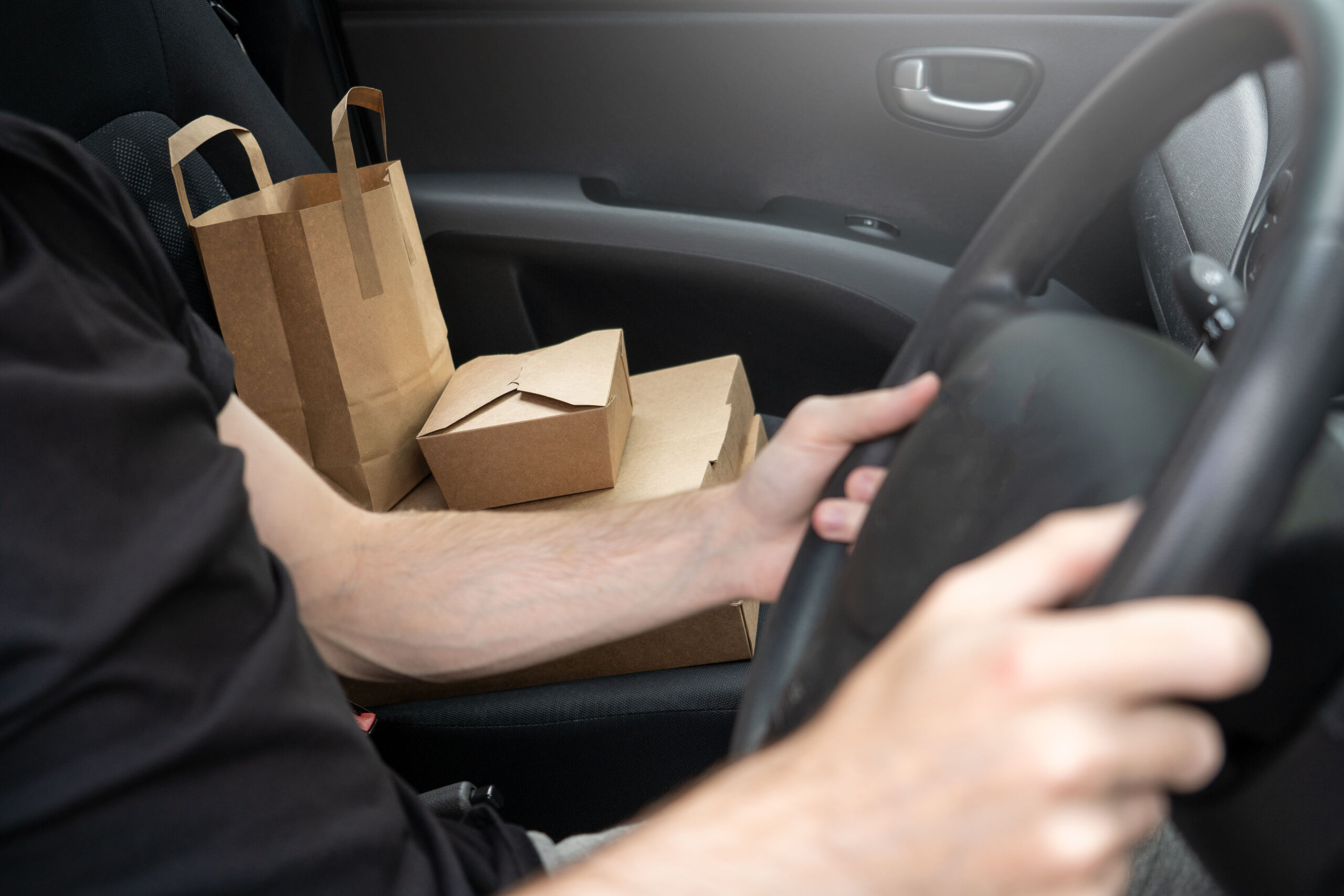
Window tint isn’t a cosmetic upgrade for delivery drivers. It’s a work tool, same as a good phone mount or an insulated bag. You spend 8, 10, sometimes 12 hours a day inside that cabin. In the summer, that cabin is an oven. In the winter, tint keeps heat in. And all year round, it protects your gear, your skin, and your sanity. This guide covers what window tint actually costs in 2026, which film type is worth your money, the state laws that can get you a ticket, and whether you can write the whole thing off on your taxes.
Why Window Tint Is a Work Tool, Not a Luxury
Here’s the reality check first. A car parked in summer sun can hit 130°F inside in under an hour, and dashboard surfaces can push past 170°F. Now imagine that car is your office. Every order you pick up, the cabin re-heats. Every time you get back in, you’re paying for it twice — once in discomfort, once at the pump because your AC is fighting a losing battle.
Quality window film changes that math. A good tint lowers cabin temperature by 8 to 20 degrees Fahrenheit depending on the film type. That’s the difference between “parking lot sauna” and “actually tolerable.” Ceramic films in particular block up to 85% of infrared heat and 99% of UV rays before they ever enter the cabin.
For drivers, that translates into real money:
- Less AC = better fuel economy. Your compressor isn’t working as hard, so you burn less gas. Pair that with the strategies in our gas saving guide for delivery drivers and the savings stack up fast.
- Your phone survives summer. Phones overheat and throttle inside hot cars — that’s the “device temperature too high” screen you get mid-shift. A cooler cabin means your navigation and apps keep working during the afternoon rush.
- Less glare on bright days. Tint cuts the harsh light bouncing off your windshield, which pairs perfectly with the tactics in our sun glare driving survival guide.
And there’s a health angle drivers rarely think about: your left side. UVA rays penetrate standard side-window glass. That’s why the left arm and left side of the face show more sun damage in people who drive for a living — there are famous photos of a truck driver after 28 years on the road showing exactly this. A film that blocks 99% of UV is cheap skin cancer insurance for a career spent behind glass.
The 2026 Tint Menu: Dyed, Carbon, and Ceramic
Walk into any tint shop and you’ll get three price tiers. Here’s what they actually mean for a daily-driver delivery car.
Dyed Film — The Budget Option
This is the classic $100-and-up tint. A dye layer sits between the adhesive and a protective coating. It darkens the glass and blocks some glare, but it does almost nothing for heat, and it fades to purple over a few years of UV exposure. For a weekend car, fine. For a car that sits in the sun 12 hours a day, six days a week? You’ll be redoing it in 18 months.
Carbon Film — The Smart Middle Ground
Carbon film runs roughly $200 to $500 for a full car. Instead of dye, it uses carbon particles that block more infrared heat without the fading problem. It also doesn’t interfere with phone, GPS, or toll transponder signals the way some metallic films do — which matters when your whole job runs through a phone app. Carbon is genuinely fine for most delivery drivers on a budget.
Ceramic Film — The Full-Time Driver’s Pick
Ceramic is the premium tier at $400 to $900 for a full sedan. It uses nano-ceramic particles to block up to 60% of total solar energy and 90%+ of infrared radiation while remaining optically clear — no signal interference, no fading, no purple. If you’re doing this as a career and you live anywhere it gets hot, ceramic is the film that pays for itself fastest. Think of it as the window equivalent of the PPF and ceramic coating guide we did for paint protection — same logic, different surface.
What Window Tinting Actually Costs in 2026
Let’s talk real numbers. The national average for a full car tint job in 2026 is around $350, with most drivers paying somewhere between $100 and $800 depending on film and vehicle. A dyed sedan starts around $100. A full ceramic job on a larger vehicle — say a Model Y or a crossover with lots of glass — can run up to $1,400.
For a delivery car, here’s the sweet spot: ceramic on the front side windows and windshield strip, carbon or ceramic on the rears. That combo costs roughly $400 to $600 and puts the heat rejection exactly where you need it.
Before you balk at the price, do the math on what a hot car costs you. When your phone overheats and you miss two offers, that’s lost income. When your AC runs at full blast for six months, that’s real fuel. And when your interior plastic cracks and your seats fade from UV, that’s depreciation on a car you’re already hammering with miles — the same math we break down in our real delivery driver earnings guide. A $500 tint on a car doing 25,000 delivery miles a year is a rounding error compared to what it protects.
State Tint Laws: The Fine Print That Can Get You a Ticket
This is the part that trips up more drivers than anything else. Tint darkness is measured in VLT — visible light transmission — the percentage of light that passes through the glass. Lower VLT = darker tint. A 35% VLT window lets 35% of light through.
Here’s where it gets personal: every state has different limits. California is one of the strictest, requiring 70% VLT on front side windows — that’s barely darker than clear. Texas allows 25% on the front. Most states fall in the 35% to 50% range for front side windows, and 35% is legal in the majority of the country.
Rules that apply almost everywhere:
- Windshield: only a strip across the top (usually the top 5 to 6 inches) is legal. Full-windshield tint will get you pulled over in every state.
- Rear windows: usually allowed darker, but if your rear tint is dark, most states require dual side mirrors.
- Medical exemptions exist for light-sensitive conditions in many states — worth checking if you have a documented condition.
Why should a delivery driver care? Because you’re on the road constantly, you drive at night, and you cross town lines — sometimes state lines — on longer catering runs. A tint that’s legal at home can be a ticket in the next county over. And an illegal tint can fail you on a vehicle inspection, which some cities require for gig work. When in doubt, stay at 35% on the front sides or check your state’s exact VLT chart before you pay. Keep the full delivery driver safety tips handbook handy — a tint ticket isn’t the only thing that can cost you a shift.
The Tax Angle: Can You Write Off Window Tint?
Short answer: yes — if you use the actual expenses method. On Schedule C, window tint on a vehicle used for your delivery business is a deductible business expense, proportional to your business-use percentage. Deliver 90% of the miles for DoorDash and Uber Eats? You can deduct 90% of the tint cost.
But there’s a catch if you use the standard mileage rate — the 76 cents per mile for 2026. That rate is supposed to cover your car’s depreciation, maintenance, and repairs. Modifications like tint generally aren’t separately deductible on top of it. So your deduction depends entirely on which method you use.
If you’re on actual expenses, keep that tint receipt — it’s a legitimate deduction that most drivers never claim. If you’re on standard mileage, the tint still pays for itself through heat, comfort, and protection; it just doesn’t show up on your tax form. And whichever method you use, make sure your delivery driver insurance knows about the modification — it rarely changes your rate, but hiding it can cause problems after a claim.
Tint and Night Driving: The Safety Tradeoff
Let’s be honest about the downside: dark tint hurts night visibility. A 5% “limo” tint turns an unlit suburban street into guesswork, and delivery drivers do a huge share of their work after dark. The tint that feels great at 3 PM can be the reason you miss a pedestrian or clip a curb at 10 PM.
That’s why the smart setup for drivers is lighter on the front, darker on the back. Keep the front side windows at or near your state’s legal limit — 35% is a good balance of heat rejection and visibility — and use the darker stuff behind the B-pillar where it doesn’t affect what you see. Combined with good headlights and the advice in our summer heat delivery strategy guide, you get the comfort without turning your night shift into a liability.
Delivery-Specific Tint Perks (and One Big Warning)
Tint does things for delivery drivers that most tint articles never mention:
- Privacy in parking lots. Your phone, your bags, and your personal stuff aren’t on display while you’re inside a restaurant picking up an order. That alone is worth the price in high-theft areas — a car with visible gear is a target.
- Cooler cargo. A cooler cabin means the drinks and groceries in your back seat stay closer to the right temperature on the final leg of a run. Instacart and Spark drivers especially notice this in summer.
- Easier on customers’ eyes. No, seriously — less glare and reflection makes you look more professional, and there’s less chance a customer gets a face full of sun reflecting off your side glass when you hand off an order.
The one warning: don’t tint your windshield beyond the legal strip, ever. Besides the ticket risk, a heavily tinted windshield makes night driving genuinely dangerous, and if you’re ever in an accident, an illegal tint can complicate insurance and liability in ways you don’t want to discover. Keep the windshield legal, keep the fronts legal, and you get 90% of the benefit with none of the risk.
DIY or Professional Install?
I’ll save you the trouble: hire a pro. DIY kits run $50 to $150 and look fine for about a month, then the bubbles show up, the edges peel, and you redo it — or pay a shop to strip the failed film, which costs extra. Professional installation runs $150 to $900 depending on film, takes one to two hours, and comes with a warranty (often lifetime, transferable). For a car that’s your office, the warranty alone is worth the difference. A pro also knows the VLT laws in your area and won’t happily sell you a ticket.
Final Verdict: Should You Tint Your Delivery Car?
If you deliver full-time and you’ve ever sat in a 130-degree car between orders, the answer is yes. Get ceramic or a good carbon film, keep the front windows at your state’s legal VLT, tint the rear darker for privacy and heat, and leave the windshield alone. Expect to pay $350 to $600 for the setup that matters, and expect it to pay you back in fuel, phone life, interior resale value, and basic human comfort within one summer.
It’s one of the few upgrades that makes your workday better on every single shift — day shifts and night shifts, summer and winter. And if you’re new to the gig and still deciding which app to run, the money you save on a cooler, more comfortable car is exactly the kind of edge that adds up. Pick an app, learn the zones, and keep your gear working as hard as you do.
Get Paid More with Uber Eats
New drivers in select cities can earn up to $2,575 after completing their first deliveries.
Start Earning $2,575 with Uber Eats →
Must be 21+. Background check required. Terms apply.