
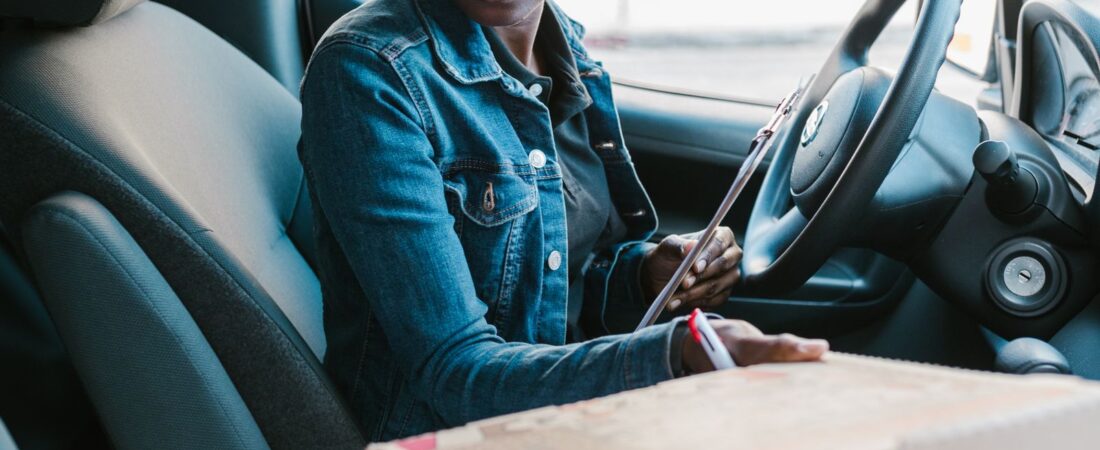

Nearly one in four American adults lives with some form of disability — roughly 70 million potential customers who rely on platforms like DoorDash, Uber Eats, Instacart, Spark, and Amazon Flex to bring food, groceries, and essentials directly to their door. According to DoorDash’s own accessibility research, 42% of consumers with a disability or chronic illness say mobility issues or physical effort is a primary reason they use a delivery platform. These customers aren’t ordering for convenience — for many of them, your drop-off is a genuine daily lifeline.

Here’s what most gig drivers miss: accessible-delivery customers tip significantly better, re-order far more frequently, and are far more likely to favorite a specific driver on platforms that support it. A single wheelchair-using customer who orders groceries three times a week on Instacart — and favorites you — is worth more to your annual income than a dozen one-time $3 fast-food drops. This guide covers every disability category you’ll encounter on the major platforms, how to protect your ratings when a drop gets complicated, and how to turn accessible deliveries into your most reliable and profitable niche in 2026.
Deaf and Hard-of-Hearing Customers: Communication That Actually Works
Deaf and hard-of-hearing (DHH) customers are one of the most common accessibility groups you’ll encounter on any platform. Both DoorDash and Uber Eats have built specific features for this demographic — and knowing how to use them correctly prevents missed deliveries, bad ratings, and frustration on both sides of the handoff.
In-App Text Is Your Primary Tool
When a DHH customer places an order, they often include a note in the delivery instructions such as “I am deaf — please text, do not call” or simply “deaf customer, text only.” Read these notes before you leave the pickup location. Uber Eats allows drivers to send in-app chat messages to customers; DoorDash has the same text feature. Never call a customer who has flagged deafness — it wastes your time and damages their experience with zero upside for either party.
Uber’s accessibility platform includes visible and vibrating alert settings baked into the customer app, meaning DHH customers are notified the moment you mark the order arrived. Your job is simply to place the food correctly and send a quick text: “Hi, this is [your name] from DoorDash — your order is at the front door.” That one sentence, sent consistently, earns 5-star reviews from DHH customers more reliably than almost anything else you can do on a drop.
Doorbells, Knocking, and Door Notes
Many DHH households have video doorbells or vibration-alert systems. Ring the bell anyway — if they have a visual-flash doorbell, it will activate. Then knock twice and step back so the customer can see you clearly through the camera or peephole. Some customers post a laminated note near the door: “please ring bell twice and text.” Follow those instructions exactly. The core rule for every DHH drop is simple: text over call, every single time, even when the app prompts you to phone the customer first.
Mobility and Wheelchair Users: Drop-Off Tactics That Build Repeat Business
Wheelchair users and customers with limited mobility represent the largest segment of delivery-dependent disabled Americans. Getting their drop-off right comes down to two things: physical placement and route awareness.
Use the Accessible Entrance — Every Time
Standard navigation apps default to the main front entrance of any building. For apartments, condos, and multi-unit complexes, the accessible entrance is often on the side or rear. Before heading in, check the customer’s delivery instructions — many mobility customers specify “use the side ramp entrance” or “accessible lobby on Oak Street side.” Use your GPS and route optimization strategy to scout buildings on your approach — Google Street View visible within the Uber Eats app shows accessible entry points before you park. For high-rise buildings, high-rise apartment delivery tactics often apply, including separate intercom systems for accessible elevator banks.
Placement Height Matters More Than Speed
A wheelchair user cannot bend down to retrieve a bag from the floor, and many cannot reach a bag placed on a high shelf or chair back. The ADA accessible reach range is 18 to 48 inches off the ground — a low entry table, a bench, or a clear flat ledge all work well. If no surface is available, hold the bag and hand it directly to the customer at seated height. Don’t rush the handoff. A driver in a Phoenix-area DoorDash community group reported earning a $20 tip from the same wheelchair customer every single week for months — because she consistently used the side-door ramp and handed the bag at the correct height. Zero extra effort on her shift, total elapsed time unchanged.
Ask Before You Assist
Always ask before physically helping: “Do you need me to bring it anywhere else for you?” If yes, let them direct you. If no, confirm the delivery and head back to your car. Many wheelchair users manage their environments fully independently and find unsolicited physical assistance intrusive, even when well-intentioned. Ask first, follow their lead, and you’ll build the kind of rapport that generates consistent re-orders week after week.
Blind and Low-Vision Customers: Placement and Verbal Confirmation
Blind and low-vision customers order food and grocery delivery regularly — for many, it is a daily necessity. Your two primary jobs on these drops are precise placement and immediate verbal or text confirmation, because they cannot scan the doorstep visually to locate a bag.
Announce Yourself and Describe Exactly Where You Placed the Food
Knock or ring the bell, then say clearly: “Hi, this is [name] with [platform] — your order is here.” When you set the bag down, describe it aloud: “I’ve placed it directly in front of your door, about a foot from the threshold on the right.” That takes ten seconds and results in 5-star ratings at a dramatically higher rate than a silent drop-and-go. If you’re doing a no-contact drop, send the in-app text immediately with the same placement description: “Placed your order in front of your door on the right side. Have a great night!” Never place and leave without any confirmation for a blind customer — your delivery photo serves your records, but the customer needs a text description to actually find their food.
Delivery Photos Are Non-Negotiable
Every platform requires a confirmation photo regardless of the customer’s disability status. Take a clear photo showing the bag directly in front of the door. This protects you from any “order not received” dispute — which matters doubly when the customer cannot visually verify the placement themselves.

Service Animals, Allergy Risks, and Doorstep Etiquette
Service animals will appear on accessible-delivery runs, especially at homes of visually impaired and mobility-impaired customers. The rules are straightforward:
- Never pet a service animal, even if it approaches you in a friendly way. They are actively working.
- Don’t block the handler’s path — step to the side when handing over the bag so they have a clear, unobstructed route.
- Don’t comment on the animal or ask about the disability unless the customer opens the conversation.
- If a dog approaches aggressively, step back calmly and send an in-app text alerting the customer — do not attempt to interact with or redirect the animal yourself.
Allergy awareness also intensifies on accessible-delivery runs. Customers managing certain disabilities — including autoimmune conditions and metabolic disorders — often have life-threatening food allergies built into their orders. If a restaurant bag appears tampered with, unsealed, or items are visibly missing at pickup, do not deliver it. Contact platform support immediately and request a no-fault unassignment or a reorder from the restaurant. The complete delivery driver safety guide covers tamper recognition and contamination protocols in full detail.
ADA Parking, Extra Wait Time, and the Real Earnings Math
Accessible-delivery drops can add 3–6 minutes compared to a standard doorstep run. Here is how to factor that time cost into your order selection — without leaving profitable runs on the table.
ADA Loading Zones Can Actually Speed You Up
Many accessible apartment buildings, senior communities, and medical-adjacent complexes have ADA-compliant loading zones or “accessible entrance drop-off” areas placed directly beside the ramp entrance. You cannot legally park in a marked ADA blue-zone space, but the adjacent accessible loading area — often signed “patient/visitor loading” or “accessible entrance parking” — cuts your walk time significantly and is legal for a brief delivery stop. Knowing these zones in your regular delivery area is a real competitive edge over drivers who park at the main lot and walk the long way around every single time. Ignoring signage is expensive: ADA parking violations run $250–$350 in cities like Atlanta, Chicago, Los Angeles, and Miami, with aggressive enforcement near medical facilities and assisted-living complexes. The guide on avoiding delivery driver parking tickets and fines covers citywide enforcement patterns across major US markets.
Timing Accessible Runs With Peak Pay
Accessible deliveries to senior communities and medical-adjacent buildings cluster at lunch (11 AM–1 PM) and dinner (5–7 PM) — the same windows when peak pay and boost zones are active on DoorDash and Uber Eats. Accessible-delivery tips stack directly on top of already-elevated base pay during these hours. That combination — higher base pay, above-average tip, loyal repeat customer — makes these time windows exceptionally high-value for drivers who have built familiarity with accessible locations in their zone.
The Extra-Time Earnings Calculation
An accessible drop adds roughly 4 extra minutes versus a quick apartment doorstep. At a $25/hour target rate, 4 minutes costs you $1.67 in opportunity time. If the customer tips $5 or more — very common on accessible runs — you are net-positive by at least $3.33, every single time. The math only inverts if you are chasing ultra-high-volume, ultra-low-tip orders where raw speed is the only variable. For any balanced delivery strategy across multiple apps, accessible drops pay above average on a per-minute basis once tips and loyalty are included in the calculation.
When a Drop Goes Wrong: Protecting Your Completion Rate and Rating
Even with flawless execution, accessible deliveries occasionally run into real obstacles. Here is how to handle each scenario without taking a rating or completion-rate hit.
Customer Not Responding Within the Wait Window
If a mobility or DHH customer does not respond within the platform’s wait window (typically 5–8 minutes depending on the app), follow standard delivery protocol: take your confirmation photo, mark the order delivered, and contact support. For a known mobility customer, do not leave food on the floor — request support guidance on a safe elevated placement alternative before marking it complete. Document everything with a timestamped photo either way.
Inaccessible Building or Blocked Route
A broken elevator, a construction-blocked ramp, or a locked accessible entrance can make a delivery genuinely impossible to complete safely. Document the barrier with photos. Contact platform support before unassigning and explain the specific issue: “elevator out of service, customer uses a wheelchair, no accessible route available.” Support can issue a no-fault unassignment with zero impact to your completion rate. Call support directly rather than using in-app chat for these situations — phone resolution typically takes under three minutes versus 15 or more on chat.
Wrong or Missing Items at Pickup
For customers managing chronic conditions through specific diets, a substituted or missing item is a bigger problem than it would be for the average order. Always verify bag contents at the restaurant against the order ticket before you leave. The framework for verifying and accepting orders correctly applies directly here — fix issues at the source restaurant, not at the customer’s front door.
Building a Loyal Accessible-Delivery Customer Base in Your Zone
The single biggest financial advantage of mastering accessible delivery is repeat business and platform favorites. On Instacart, customers can request a specific shopper by name. On DoorDash and Uber Eats, customers routinely re-order from drivers they recognize and trust. Disabled customers who have a consistently great experience are among the most loyal orderers in the gig economy — they order more frequently, tip more consistently, and rarely lodge complaints over minor delays or small timing imperfections.
Practical steps to build this customer base in your zone:
- Read every delivery instruction completely before accepting the order — accessibility flags are almost always right there in the notes field, not hidden anywhere.
- Map accessible entrances at buildings you visit regularly — this shaves 2–4 minutes off repeat runs and protects your effective hourly rate without turning down any orders.
- Text every DHH customer after placing the order, even when the instructions only say “leave at door” — the text confirmation takes 15 seconds and dramatically reduces disputes.
- Carry a compact collapsible tray in your gear bag if you regularly serve senior communities or medical-adjacent buildings — it gives you an instant 24-inch elevated surface when none exists at the doorstep.
The complete guide to earning more tips as a delivery driver covers these soft-skill approaches in broader context across all platforms. But for accessible-delivery runs specifically, the economics are consistent: a slightly slower drop, a higher tip, and a loyal repeat customer is a better use of your hour than chasing three rushed no-tip orders at lunch. Drivers who want to extend this work further into the medical and pharmacy delivery niche — a natural expansion from accessible-delivery experience — should read the medical courier driver guide for qualification requirements, pay rates, and a direct earnings comparison with standard gig platforms. The 70 million Americans living with disabilities are not a footnote in the gig economy — they are a core, high-value customer segment who reward respectful, reliable service with the kind of loyalty that builds real annual income. Master this niche in 2026 and it will pay you back many times over.
Ready to Start Delivering and Cash In?
Join thousands of drivers already earning — and get a $2,575 guaranteed bonus after completing your first 200 deliveries in select US cities.
New drivers: Sign up through our partner link and start earning today!
Sign Up for Uber Eats and Start Delivering →
Must be 18+. Background check required. Terms apply.